Why tight specs matter with reclaimed plank flooring
Reclaimed solid planks arrive as a lot with inherited history: mixed species, variable thickness, hidden metal, and an unknown yield after trimming and sanding. If your specification treats reclaimed flooring the same as new millwork, you will almost certainly face on‑site surprises, installation delays, and waste.
A good specification shifts risk from subjective, post‑delivery judgment calls to objective, verifiable criteria tied to the actual lot. That saves contractors and designers time, gives buyers clear expectations, and protects project schedule and budget.
Lot‑level acceptance criteria you must require
Specify exactly what constitutes an acceptable lot. At minimum require: an identified species or an approved species mix, a photographed representative sample tied to the lot number, a stated nominal thickness with allowable tolerance, and usable length distribution.
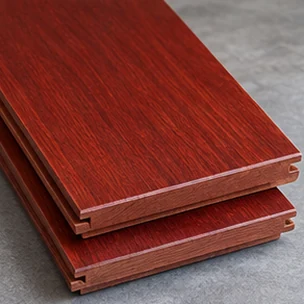
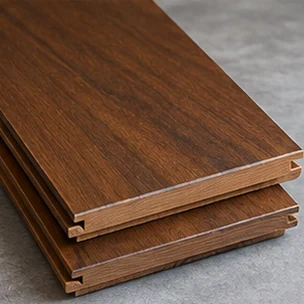
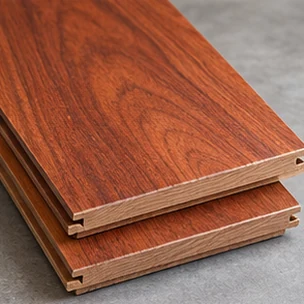
On species and appearance: either list the single acceptable species with botanical and common names, or give an approved mix and require before‑shipment photographs of a full pallet or bundle that show the range of color and wear. Require the supplier to flag any pieces of uncertain identity so they can be reviewed before acceptance.
On thickness and widths: require a nominal thickness and an allowable thickness tolerance, and state whether thickness is measured before or after surfacing/sanding. Require the supplier to document the as‑shipped thickness range and to provide “as‑shipped” thickness readings for a sample of planks from the lot.
On lengths and yield: require the supplier to provide a usable‑length distribution for the lot (counts by length bands or average length) and to guarantee minimum usable lengths or a defined method for calculating usable footage after cutting to remove damaged ends. Specify how yield will be measured at acceptance (for example, lineal feet/square footage after trimming and installation waste, defined in the contract).
Surface condition and sanding allowances — spell out finish tolerances
Reclaimed boards commonly have nail holes, gouges, patina, and wear that many projects want to preserve — but not every job. Specify the maximum allowable surface condition and whether the supplier is to deliver S1S, S2S, or rough‑sawn material.
If you plan to sand, require a minimum remaining thickness after final sanding and state whether surface milling is included in the supplier’s scope. If you expect significant surfacing, require the supplier to confirm as‑shipped thickness will allow that surfacing without falling below the project minimum.
Include clear language about visible defects that are acceptable in the finished floor (for example, open knots, wormholes, discoloration) versus defects that require removal or replacement. Tie acceptability to photographs: the supplied lot photos should include closeups of typical defects; the finished lot should be within the photographed range.
Embedded metal, contaminants, and inspection procedures
Hidden metal is the single largest safety and tooling risk with reclaimed planks. Require the supplier to perform metal detection on every board with a calibrated detector and to remove or mark all detected metal before shipment.
Spell out accepted handling of removed metal: require the supplier to catalog removed items, photograph them, and retain them for review on request. If a board is to be left in place due to structural reasons, require it to be clearly flagged and listed on the lot inventory.
Add a clause that permits the buyer to reject any board that damages tooling during a trial machining pass or to require replacement without additional charge when unmarked embedded metal is discovered on installation.
Quantity basis, overage, and yield accounting
State the unit of sale and acceptance — square footage, lineal footage, or board feet — and require the supplier to provide an as‑shipped tally that matches that unit. If you accept square footage but the supplier ships by board count, require a conversion method tied to measured plank dimensions from the lot.
Require a contract‑level overage and state whether the overage is for waste, machining, or defective boards. Have the spec require either a fixed numeric overage (insert a project percent) or a documented yield calculation from the supplier based on the actual lot.
Include a clear acceptance remedy: define whether short‑ship, excess defective material, or low yield will result in additional supply, credit, or replacement so the contractor can plan ordering and contingency for the job.
Moisture, storage, delivery inspection, and acclimation
Require documentation of the lot’s recent moisture history: how and where the wood was stored, whether it was air‑dried or kiln‑dried, and the supplier’s last recorded moisture meter readings. Specify the meter type and measurement method to be used on receipt.
Mandate an on‑delivery inspection and an acceptance window tied to measurable checks: presence of the photographed lot sample, lot tally, visible damage in transport, and a set of moisture readings taken on several boards across the shipment. Require the carrier and supplier to be present or available for damage claims.
Include acclimation instructions and responsibility: either require the supplier to deliver fully acclimated material to the project environment or require the buyer/installer to accept and hold material for a defined acclimation period prior to installation, with acceptance criteria for moisture content before installation.
Practical spec language and a short checklist you can paste
Use bracketed placeholders so the contract is prescriptive and auditable. For example: “Supplier shall deliver reclaimed solid‑plank flooring conforming to species: [list], nominal thickness: [specify] with tolerance: [specify], and photographed lot sample attached to shipping documents. Supplier shall perform metal detection on every board and provide a metal removal log and photographs.”
Short checklist to embed in the spec: require photographed lot sample, declared species/mix, as‑shipped thickness range and post‑sanding minimum, usable length distribution, metal detection report, moisture/storage history and meter readings, delivery inspection procedure, unit of sale and overage, and remedies for low yield or hidden contaminants. Require the supplier’s written confirmation that the attached lot photos are the actual shipped lot.
BEFORE YOU REQUESTYour sourcing checklist.
- Photographed, lot‑tied sample (images of face, back, ends, and bundle)
- Declared species or approved species mix with any exceptions listed
- Nominal thickness and allowable tolerance stated, and whether thickness is before or after surfacing
- Minimum remaining thickness after sanding specified
- Usable length distribution or minimum usable length methodology
- Metal detection and removal log with photographs of removed items
- Unit of sale (sq ft, lineal ft, or board ft) and contract overage defined
- Moisture/storage history and calibrated moisture meter readings for the lot
- Delivery inspection procedure and defined acceptance window
- Remedy clause for low yield, hidden metal, or excessive defects
Common questions.
Can I accept a mixed‑species lot?+
Yes — but it must be specified. List acceptable species and require pre‑shipment photos that show the full range of color and grain. If color matching is critical, require a signed photographic sample from the actual lot and deny species substitutions without written approval.
Who should run the metal detector — supplier or installer?+
The supplier should perform and document metal detection before shipment to reduce the risk to handling, transport, and tooling. The installer should still inspect and be allowed to reject boards that damage tooling or were not marked on the metal log.
How do I deal with variable lengths and yield on site?+
Require the supplier to provide a usable‑length distribution and specify the unit of sale you will accept. Build contract language that defines acceptable yield or provides remedies (replacement, credit, or supplemental shipment) so installers can plan waste and ordering.
What moisture documentation should I require?+
Ask for recent moisture meter readings taken on multiple boards across the lot, storage history describing where the wood was kept prior to shipment, and whether the lot was air‑dried or kiln‑dried. Require acceptance moisture readings on delivery before installation.