When to choose solid-plank bloodwood for interiors
Solid plank is worth picking for bloodwood when the project's aesthetic depends on long, continuous runs of richly colored heartwood and when you want the option to sand and refinish multiple times over decades. Bloodwood's saturated red tones and strong visual presence read best in wide, uninterrupted planks or carefully matched narrow strips where the color can be balanced across a field.
Choose solid over engineered when the substrate and site conditions will reliably control humidity, and when installation methods (nailing, stapling, or glue-down to appropriate subfloors) match a solid plank product. If the jobsite has highly variable moisture, heavy radiant heat, or strict floor flatness limits that are difficult to meet, discuss engineered alternatives or specify additional subfloor preparation before committing to solid.
Sizing and profile: pick for movement, appearance, and yield
Width and thickness are decisions that affect movement, appearance, and waste. Wider planks show more color variation board to board and amplify any cupping or gapping that occurs with seasonal movement; narrower planks make layout blending easier and reduce the visual effect of small dimensional changes. Thicker solids allow more future sanding but also require compatible installation methods and substrate strength.
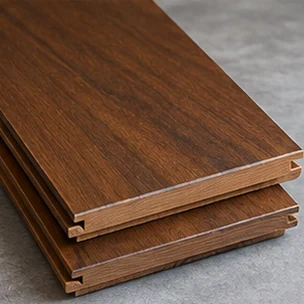
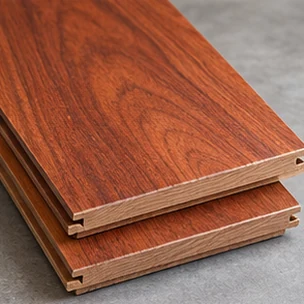
Edge profile and end-matching change both installation speed and the final look. Tongue-and-groove or end-matched options simplify layout and reduce visible gaps; square-edge planks can read more rustic but put more demand on milling tolerances and installer skill. Specify the profile early so the mill can cut a sample from the intended production run.
Grades, appearance control, and authorizing samples
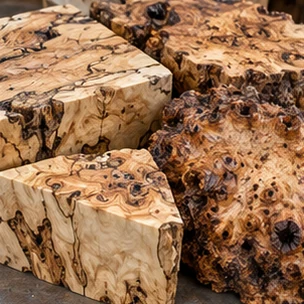
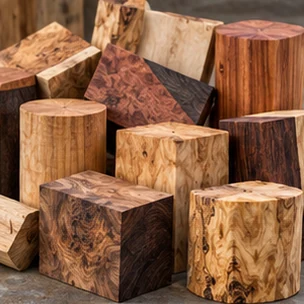
Bloodwood is traded under a common name that can refer to different botanical sources. Always confirm the supplier's species identity for your spec and ask for confirmation that the lot matches the product page listing. Because bloodwood’s color range can vary from deep red to orange-red and may shift with finish and light exposure, a visual sample from the actual lot is essential.
When you request samples, require at minimum a set that shows the full range of appearance and the specific milled profile you will receive. Prefer full-width plank samples where feasible; small swatches hide variation. For acceptance you should sign off on both raw appearance and a finished mock-up (see the finish-trial section). Document acceptance criteria — allowable sapwood, knot and character limits, color variance tolerance, and required milling tolerances — and attach those criteria to the purchase order.
Moisture, acclimation, and on-site acceptance
Solid bloodwood behaves like any other solid hardwood: it will move with changes in relative humidity. Before installation, verify the supplier-reported moisture condition of the delivered lot and require that the on-site environment is within the range agreed in your contract. If the supplier provides a moisture range for the shipment, use that as the baseline for acceptance testing at delivery.
Acclimation is a project-specific decision. If you expect seasonal swings on site, allow the flooring to equalize with jobsite conditions before fastening. For acceptance at delivery, inspect a representative sample of bundles for consistent thickness, milling, and visible defects; don’t accept an order sight-unseen if color uniformity is part of the specification. Record any deviations and resolve them against the previously documented acceptance criteria.
Installation and layout tips that protect appearance
Plan your layout to minimize visual discord. Because bloodwood boards can vary in tone, sort and layout boards dry-run across the area to balance color. Stagger end joints so that clusters of darker or lighter boards are spread rather than concentrated. If your project includes transitions to other flooring types, use threshold and reducer profiles that match the chosen plank thickness and profile.
Installation method should match both product milling and site conditions. Solid plank can be nailed, stapled, or glued depending on the substrate and the mill's recommendations. Coordinate with the installer to select fasteners, glue, and fastener spacing compatible with the plank thickness and edge profile you ordered. If heavy traffic or commercial use is anticipated, discuss additional fastening or adhesive strategies with the flooring contractor before authorizing the lot for delivery.
Finish trials and long-term appearance management
Run finish trials on boards cut from the actual production lot rather than on reclaimed or off-lot pieces. Bloodwood responds differently to oil-based and water-based finishes: water-based clear coats tend to retain the bright red hues, while some oil-based finishes and certain varnishes may deepen or warm the tone. UV exposure will change appearance over time, so if the space has strong daylight, include an accelerated-exposure check in your finish trial.
Test the full finishing sequence you plan to use — sanding schedule, grain filler (if any), sealer, topcoat — and put the finished samples in place where they will be seen. Check for issues like tearout on open-grain sections, filler color mismatch, and how the finished sheen affects perceived color. Use the approved finished sample as the acceptance standard for the delivered lot and hold a small set of extra finished boards as a touch-up and repair reference for future maintenance.
BEFORE YOU REQUESTYour sourcing checklist.
- Confirm the supplier’s species identity for the lot and that it matches the Bloodwood Flooring product page listing
- Request full-width plank samples and finished mock-ups from the production lot before acceptance
- Specify grade, allowable character (sapwood, knots), and milling tolerances in the order
- Agree on moisture condition reporting and on-site acceptance testing before delivery
- Decide on profile (tongue-and-groove, end-matched, square-edge) and include it in the purchase order
- Plan installation method (nail, glue, or both) compatible with plank thickness and substrate
- Authorize finish and UV exposure trials on lot-sourced boards and approve a finished sample for on-site reference
Common questions.
How many finished samples should I require before accepting a lot?+
Require finished samples that show the full range of the lot — at minimum one full-width finished board and a set that demonstrates the light-to-dark variation you expect. If visual uniformity is critical, increase the number of samples and require them to be produced from the same production run as the ordered material.
Can I use the same finish for bloodwood as for domestic oak or maple?+
You can use similar systems, but always run a trial. Bloodwood’s pigments behave differently under oil-based and water-based topcoats and can appear richer or more muted depending on the chemistry and sheen. Match the finish to your visual goal and test it on lot material first.
What should I inspect when the shipment arrives?+
Inspect representative bundles for consistent milling, acceptable grade appearance, and signs of shipping damage. Confirm the supplier’s reported moisture condition against on-site readings before accepting. If any lot fails your documented acceptance criteria, set it aside and notify the supplier immediately.
Is bloodwood stable enough for wide plank solid flooring?+
Bloodwood can be used in wide-plank solid floors where environmental control is reliable. Wide planks amplify seasonal movement and color variation, so plan layout, milling profile, and gap control accordingly and require proper acclimation and subfloor preparation.
Should I expect color to change after installation?+
Yes. Bloodwood may darken or shift subtly with exposure to light and after finishing. That’s why a finished mock-up from the production lot is essential — it provides the reference for on-site acceptance and future touch-ups.