Plywood & panels
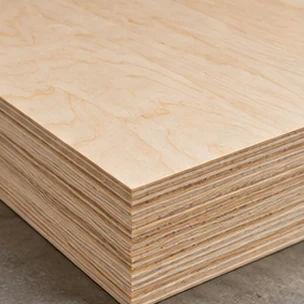
Baltic Birch Plywood
Multi-ply birch plywood prized for stable panels, even faces, and exposed-edge character; confirm lot, grade and edge condition before ordering.
Explore productFace species, core, thickness and finish belong together when comparing a plywood offer.
A request for birch plywood does not define the panel construction, sheet dimensions or face finish. State the intended use and the features that matter to it: visible faces, exposed edges, machining and the finish you plan to apply.
Include actual thickness and sheet size. Ask the supplier to identify the core construction and the face and back grades of the offered panel. If a branded construction, documented performance or a particular origin is required, make that an explicit requirement rather than assuming it from a trade name.
For partial sheets or surplus lots, record each panel size and disclosed damage. An inexpensive sheet may not provide the required yield when cut to the project dimensions. Share a cut list when possible and compare the amount of usable material.
Ask how panels will be protected in transit and how the package will be unloaded. Keep packaging and delivery charges attached to the material quote.
Focused guides to the specification, application, and delivery questions behind this product.
Practical specification guidance for using birch plywood in furniture: choose the right face grade and veneer matching method, decide on an edge strategy for tabletops, select a core suited to fastening and routing, and specify finish readiness and delivery conditions to avoid on-site surprises.
Read this InsightFor most shop jigs and fixtures, choose the lowest-cost birch panel with a dense, void-free core. Use appearance-grade or Baltic-style birch where clean routed edges, predictable finish, or frequent screw removal demand a better face and core. Specify core quality and glue type on the order, store panels flat, and plan for inserts or backing blocks where fasteners will be reused.
Read this InsightThis guide explains which birch plywood attributes matter for shelving and built‑ins: choose the core to control stiffness and fastener performance, pick a face grade for visible shelves, and plan edge finishing and joinery to match use and durability.
Read this InsightPractical, spec-ready guidance for selecting birch plywood for cabinet carcasses and drawer boxes—how to choose face grades, cores, drawer-bottom options, joinery and fastener practices, plus a buyer checklist to include on quotes.
Read this InsightA practical receiving routine—check pallets, inspect faces and edges, verify counts and labels, document damage, and store panels flat and dry—keeps birch plywood projects on schedule and preserves claim options.
Read this InsightA practical guide to choosing birch plywood for cabinets, shelving and furniture: decide between paint-grade and clear-veneer based on finish goals, pick a core that matches stiffness and fastener needs, plan edge treatments early, and follow shop practices that protect veneer and ensure consistent finish.
Read this InsightThis guide explains how to match birch plywood face grade and core to the finished use — appearance-sensitive clear finish, painted surfaces, exposed edges, and heavy fastening — and gives concrete sample/spec language to include in quotes.
Read this InsightMulti-ply birch plywood prized for stable panels, even faces, and exposed-edge character; confirm lot, grade and edge condition before ordering.
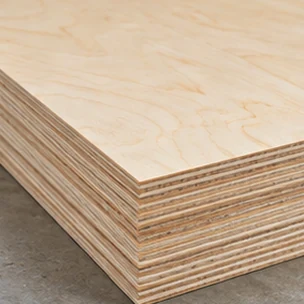
Explore productMaple plywood is a hardwood-faced panel used for cabinetry, furniture panels, and millwork; choose by face grade, veneer cut, and core construction and confirm lot samples before specifying.
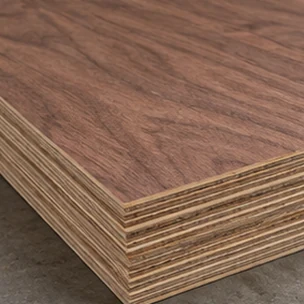
Explore productVeneer-faced walnut plywood offers the look of walnut with the stability and economy of a composite panel—confirm veneer cut, face grade and core type before you buy.
Explore product