Why cutoffs are a good source for small boxes, inlays and prototypes
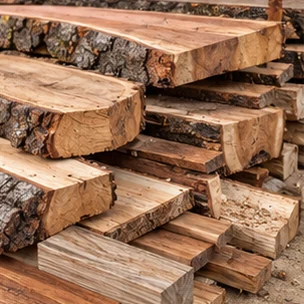
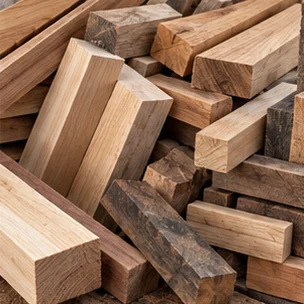
Cutoffs from turning and carving production are one of the most economical and characterful sources of material for small boxes, lids, inlay work and rapid prototyping. They often contain pieces with tight figure, color variation and edge character that would be expensive when purchased as full boards or veneers.
The trade-off is that cutoffs arrive as mixed lots: variable thicknesses, end grain, sapwood, and inconsistent face orientation. That variability is what makes them valuable for one‑off boxes and decorative parts—but it also means you should plan how you’ll choose, match and stabilize the pieces before you start gluing or resawing.
Specify matched or curated subsets when you order
If matching across faces and lids matters (bookmatched box tops, continuous figure across a multi-part lid), tell the seller you need matched subsets rather than a random mixed pallet. Useful requests to include in a specification: desired species, examples of acceptable figure/contrast, approximate thickness range, face orientation (plain or quarter-sawn), and whether you need opposite-face matches for lids and bases.
Ask for photos or small sample cuts ahead of shipment when color or figure matching is critical. For very small decorative faces you can request thin slices or veneer-grade faces from the lot; these let you lay out a matched pattern on a stable substrate. When you order mention the intended use (box top, inlay band, prototype panel) so the seller can pre-select pieces with appropriate grain direction and minimal end checks.
Glue compatibility and finishing—what to confirm before you buy
Glueability varies by species and lot. For typical small work you’ll be using PVA (white or yellow), thin CA, or epoxy. Before committing a lot of cutoffs, test a small sample for glue adhesion and for how the wood reacts to your chosen finish. Oily exotics, heavily resinous pieces or cutoffs with surface contaminants can reject glue or finish; a light solvent wipe, scuff-sanding or a thin primer coat often remedies this, but always test first.
If you plan to veneer thin slices to a stable panel substrate (plywood or MDF), specify an adhesive system that bonds both faces and substrate. Hotpressing isn't required for small runs—contact adhesives and PVA work—but again, test a joint at the thickness you’ll use. For inlay work where gaps are unacceptable, epoxy provides gap-filling strength and is less sensitive to oily surfaces, though it requires different finishing and sanding techniques.
Stability, grain orientation and movement for small assemblies
Cutoffs often include pieces with different growth ring orientation. For lids and box sides choose pieces with the same quarter-sawn/flat-sawn orientation when you need consistent movement behavior. If you can, orient end grain and growth-ring curvature consistently in assembled panels to reduce differential cupping.
Small boxes are forgiving, but don’t skip acclimation: let cutoffs sit in your shop until their moisture behavior matches the environment where the finished piece will live. For prototypes consider using a stable composite substrate for joined faces—this reduces seasonal movement and keeps a thin, figured face looking flat over time.
Working the material: resawing, slicing and finishing tips
Cutoffs are commonly thicker than veneer yet thinner than full boards, which makes them ideal for resawing into thin slices or for direct use as faces and small panels. Use sharp blades and light cuts when resawing figured or brittle pieces to avoid tearout. When slicing veneers from cutoffs, clamp and backer-board the piece to reduce chatter.
For inlays, cut your negative with sharp chisels or a small router and try a dry fit first—figure and thickness vary across cutoffs and can change how a mitred edge sits. Finish thin faces before final assembly when possible; finishing prior to glue-up helps seal pores on porous species and reduces color shifts after clamping.
Ordering and receiving checklist for cutoffs you’ll use for boxes and inlay
Use a short checklist when you request or receive a lot: 1) Ask for curated/matched subsets for faces or lids. 2) Request a few thin slices or veneer faces if exact matching is required. 3) Specify intended glue & finish so the lot can be screened for oily/resinous pieces. 4) Request photos and mark samples on arrival for acceptance testing. 5) Keep cataloged samples for color and grain reference as you mill and test.
Label and store cutoffs from the same lot together and keep a record of test results (glue adhesion, finish appearance, any stabilization steps you used). That saves time when you return to the same lot later for production or matching additional pieces.
BEFORE YOU REQUESTYour sourcing checklist.
- Request a curated subset for matching faces and lids rather than a random mixed lot
- Request thin slices or veneer-grade faces where exact pattern matching is required
- Specify species and acceptable figure range in writing; ask for photos
- State your planned adhesives and finishes so the seller can flag oily or resinous pieces
- Request a small sample for glue/finish testing prior to full acceptance
- Label and keep lot pieces together on receipt for consistent matching
Common questions.
Can I get bookmatched pairs from a cutoff lot?+
Yes—ask the supplier for matched pairs or sequential slices from the same board so you can bookmatch tops and lids. If the lot is mixed, request that they reserve sequential slices or provide veneer faces cut from the same board to guarantee match.
How do I handle oily or resinous species in a cutoff lot?+
Don’t assume all pieces will glue or finish the same. Request a test piece and try your glue/finish on it. Common remedies for surface oiliness include solvent wiping, scuff sanding, solvent-based primers or choosing epoxy for glue-ups when PVA fails. Always document the test before committing the lot to production.
Should I finish thin faces before or after assembly?+
When possible, apply at least a seal coat to thin faces before assembly—this prevents glue squeeze-out from contaminating the final surface and reduces color shift. For delicate inlay or veneer work, a light seal prior to glue-up often produces the most consistent visual result.
How should I request cutoffs if I’m prototyping?+
Tell the supplier you need prototyping-grade pieces and list the dimensions, face quality, and whether you need multiple copies of the same detail. Request extra offcuts to allow for test cuts and fitting; ask for photos so you can confirm suitability before shipment.