Mill by-products
Premium Turning & Carving Cutoffs
Lot-based small-stock hardwood cutoffs for turning, carving and small projects; mixed sizes and species—confirm lot details and condition with the supplier.
Explore productChoose offcuts by let the intended use determine which attributes matter: end-grain and consistent thickness for turning, straight flat faces for jigs, and matched color/length and edge quality for panels. Pull representative samples, run quick shop tests, and label stacks on receipt to avoid surprises.
Offcut lots are a mixed bag: sizes, species, seasoning, and overall quality vary from bundle to bundle. Start by deciding the primary use—turning, jigs/fixtures, or panels—because that choice drives what matters most in the pile. If you pick pieces with the right attributes up front you save time trimming, resawing, and rejecting material in the shop.
Before you order or pick up a bundle, make a short checklist for the job: finished part dimensions, the level of visual match required, whether the part must stay stable under cyclical humidity, and whether the piece will be solid or substrate-backed. Keep that checklist with you when you inspect lots.
For turning blanks the prime qualities are consistent thickness, dense end grain, and grain that runs reasonably straight into the center of the blank. Offcuts with mixed grain orientation or large knots can still be useful, but they need to be positioned so that tensions won’t tear out the tool or produce excessive vibration on the lathe.
Inspect end grain and short cross-sections closely. Look for checks that run from the face into the heartwood, and prefer pieces with a clear section for the tenon you’ll cut. If you plan to glue lamination blanks, choose pieces that are flat and have sound faces for good glue contact. Always verify dryness with a meter or by cutting a small test blank—lots can contain both kiln-dry and recently sawn pieces.
Jigs and shop fixtures demand dimensional stability and predictable machining, not beauty. Your best offcuts for jigs are the straighter, flatter boards that hold a screw or clamp without splitting. Consistent thickness within a board matters more than species; if a jig surface varies, you’ll spend time shimming.
Plywood and engineered pieces from offcut bundles are often superior for jigs because they resist cupping; when using solid offcuts, choose quartersawn or plain, tight-grained boards if possible. Avoid pieces with rot, heavy sapwood, or large kernels of reaction wood where screw holding or repeated clamping will cause failure.
When assembling panels from offcuts—door faces, drawer fronts, or small tabletops—the visible match and stability are your two priorities. Match by lot whenever possible: boards sawn from the same log and dried together are far easier to glue into consistent panels. If you must mix lots, sort boards by color, figure, and grain direction to minimize visible seams.
Check length and width early: short pieces are useful for patchwork and smaller doors but will require more joints and more flattening. For edge-glued panels plan grain direction so boards alternate growth-ring orientation to reduce cupping. If the panel will be veneered or used as a substrate face, verify that mating edges are straight and free of heavy sapwood or deep checks.
Never assume an offcut lot is uniform. Ask for representative photos or, if you can, inspect the pile before committing. Pull a handful of pieces that match your target dimensions and bring them to the shop for a short test sequence: crosscut one, face-joint and plane one, and let another sit stickered for a couple of days to watch for movement. These simple tests catch cupping, hidden checks, and uneven moisture within a lot.
Label samples with the lot ID and keep a small “go/no-go” sheet: visual match, straightness, thickness variance, and any surface or internal defects. If you’re buying remotely, require a clear description of the lot and reserve the right to reject pieces that don’t meet the agreed criteria when they arrive.
At delivery separate the offcuts by intended use. Create a short stack for turning blanks, a flat stack for jigs and fixtures, and a matched stack for panels. Sticker and flatten boards in the panel stack to keep them ready for glue-ups. For turning, sticker short blanks to allow airflow and prevent mold if they’re not fully dry.
Label every stack with lot identifiers and any notes from your sampling—species, observed moisture range, and obvious defects. If you expect to keep offcuts for longer than a few days, acclimate them to the shop environment and recheck straightness before final machining. Finally, plan some waste: offcut lots typically require additional cutting and facework versus full-dimension lumber.
Yes—if the pieces are thick, straight, and free of rot or heavy sapwood. Prefer denser, tight-grained boards or plywood offcuts for highly loaded jigs. Always test the fastening method on a sample piece from the lot before you install the jig in service.
Prioritize boards from the same lot or sawn batch. Sort by color and figure, and lay out an assembly to preview seams before gluing. If mixing lots is unavoidable, use careful edge jointing, and consider a thin veneer or paint finish where color differences would be distracting.
Yes—offcuts are often great for bowls, pens, and knobs. Look for pieces with sound end grain, minimal checks, and the right grain orientation. Where figure or color matters pick samples and turn a test blank first to ensure the visual effect translates well.
Treat each lot as if it may contain pieces with varying moisture. Bring a moisture meter or test-cut and monitor a few samples over several days in your shop environment to see how they move. Plan acclimation time and avoid final assembly until you’re confident the pieces are stable.
Focused guides to the specification, application, and delivery questions behind this product.
Offcuts can be turned into stable, economical panel cores and substrates by sorting and staging material, edge-gluing short strips into sub-panels, choosing adhesives appropriate to the species and exposure, and following a controlled surfacing and QA workflow. Request specific lot information from Shop Bundles & Mill Offcuts and run shop glue and movement tests before committing a lot to production.
Read this InsightPractical workflow and shop techniques for building small casework from mixed offcuts, focused on sorting, edge‑matching, finish testing, and reserving the best faces.
Read this InsightPractical criteria and techniques to pick, prepare and join mill offcuts into reliable shop jigs and fixtures—plus what to inspect and how to store them.
Read this InsightSelecting turning and carving blanks from mill offcuts is about matching shape and thickness to the final object, inspecting for checks and embedded metal, understanding sapwood versus heartwood, and planning for moisture and grain figure. Sort lots on arrival, use a metal detector, measure moisture, and reserve suspect pieces for practice. For lot-level guidance and to review typical offcut shapes and handling advice, see the Shop Bundles & Mill Offcuts page.
Read this InsightPractical logistics for buying mixed offcut bundles: choose banded or palletized packing to match your receiving capability, confirm liftgate and truck access, inspect and document at handoff, budget for palletizing, and require packing methods that prevent shifting and water damage.
Read this InsightA precise purchase request cuts the risk of offcut lots: include the unit of measure, minimum usable sizes, allowed species, surface and defect standards, required lot photos and inventory, hold and deposit terms, and freight/delivery responsibilities—and record these agreed terms on the Shop Bundles & Mill Offcuts product page.
Read this InsightLot-based small-stock hardwood cutoffs for turning, carving and small projects; mixed sizes and species—confirm lot details and condition with the supplier.
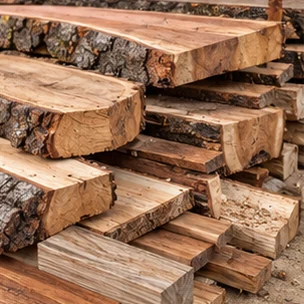
Explore productMixed sawmill slab piles and offcuts—irregular by‑products sold by lot for milling, live‑edge projects, turning, rustic work and craft reuse. Inspect representative pieces and confirm species, usable sizes, and loading terms before purchase.
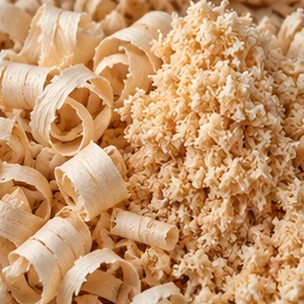
Explore productBulk wood shavings and sawdust are mixed mill by-products used for bedding, compost, fuel, and cleanup. Confirm particle size, species mix, contamination controls, packaging, and the supplier’s lot details before you buy.
Explore product