Why choose yellow pine or heart pine for walls and ceilings
Yellow pine and heart pine bring a warm, historic character that reads well on large vertical or overhead surfaces. The species range includes paler sapwood and richer heartwood; heart pine packages a deeper amber tone and tighter grain that many designers use as a focal surface. Because both are commonly milled for flooring, you get stable, dimensionally milled boards with predictable face thickness and straight edges—advantages when you want continuous runs and tight joints.
Use these woods where warmth and a tactile, slightly rustic appearance are desired: feature walls in living spaces, vaulted or beadboard-style ceilings, wainscots, backdrops in retail or hospitality settings, and cabinetry surround panels. The same flooring-grade stock often used for floors is a good candidate for walls and ceilings—just confirm profile, grade, and finish with your supplier before ordering.
Picking a board profile: tongue‑and‑groove, shiplap, or plain boards
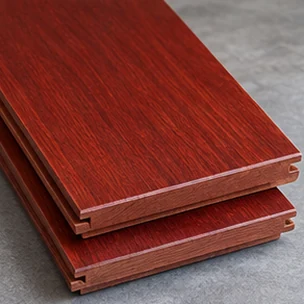
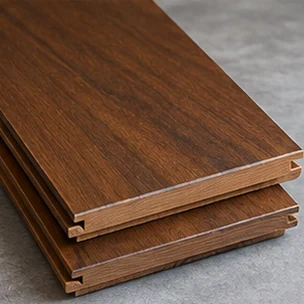
Tongue‑and‑groove (T&G): T&G mills lock faces together for a tight, continuous plane. That makes T&G a strong choice for ceilings where you want few visible gaps and a plane that resists cupping. Installation is straightforward on furring or a plywood substrate; the joint hides fasteners when installed correctly.
Shiplap: Shiplap creates a deliberate shadow line. Because the joint includes a small reveal, shiplap tolerates seasonal movement with a more forgiving appearance. It’s popular for long horizontal runs and accent walls where the reveal becomes part of the design. Expect to see small gaps appear and close with humidity swings; plan joins and lighting accordingly.
Plain boards (square‑edge or eased edge): These are simplest to install and easiest to mix with other trim details. Plain boards require careful spacing and fastening to control seasonal gaps. They’re a good match for vertical installations or board‑and‑batten approaches.
Tradeoffs: choose T&G where you want a tight sealed look and fewer finishing challenges; choose shiplap where shadow and texture matter and movement is acceptable; choose plain boards where custom joinery or mixed profiles are part of the design vocabulary.
Surface preparation and prefinish strategies
Decide as early as the design stage whether you’ll factory‑prefinish, shop‑prefinish, or finish in the field. Flooring stock is often available unfinished, prefinished, or factory‑finished; each approach affects installation sequence and site protection.
If you plan to stain or apply a clear coat, remember pine’s grain and knot pattern lead to uneven stain absorption. For consistent tonal results, test with the actual lot of boards. Consider using a wood conditioner before transparent stains, or use a clear topcoat that preserves the wood’s natural color. Oil‑rich finishes will deepen the amber and emphasize heartwood; water‑based finishes will keep the surface closer to the raw, lighter tone.
Knots and resin pockets are a predictable issue. Seal suspect knots before finishing—shellac‑based knot sealer is a reliable shop method. If you expect pitch bleed or are installing in warm conditions, run a test patch and choose a finish system designed to block pitch migration.
When prefitting, back‑butter joints where adhesive is recommended and sand or scuff the face only enough to ensure finish adhesion. Over‑sanding reduces finish build and can drive color inconsistency in pine.
Color variation and visual planning
Expect variation within a single delivery. Yellow pine will include pale sapwood and warmer, more amber heartwood. Heart pine boards concentrate the darker heartwood tones and tighter growth rings, but no lot is perfectly uniform. Grain, knots, and mill orientation will all affect how light reads on the wall or ceiling.
Plan your layout and acceptance criteria to handle that variation. For a smooth visual field, ask for sample boards from the actual lot and do a mock‑up on site under the same lighting as the installed location. For a rustic or reclaimed look, emphasize random mixing and allow for natural contrast.
If color uniformity is a firm requirement, discuss factory tinting or factory finishing with the supplier and require approval samples. Always confirm the lot and finishing process—appearance is supplier‑dependent.
Installation essentials: substrate, fastening, movement, and patterns
Substrate and backing: Install boards over a stable substrate—plywood, drywall, or furring strips—depending on the levelness of the base wall or ceiling framing. For ceilings, adequate blocking and joist support help prevent sag and reduce nail‑pop over time.
Fastening: Flooring‑grade T&G can be blind‑nailed through the tongue or face‑nailed depending on profile and desired look. Use corrosion‑resistant fasteners and choose finish nails or screws suitable for the chosen finish method. Where concealed fastening is impossible, countersink and fill or use plugs for a clean finish.
Movement and gaps: All wood moves with humidity. Leave an unobtrusive expansion gap at the top and ends of walls and conceal it with trim. For long horizontal runs, stagger board ends and plan break points at natural transitions (doorways, trim lines) rather than across uninterrupted runs.
Orientation and patterning: Horizontal planks visually widen a space; vertical planks heighten it. On ceilings, running boards perpendicular to the joists reduces sag visibility and gives cleaner sightlines. For feature walls, consider bookended sections or shadow reveals to frame the planking.
Electrical and penetrations: Installments around outlets, switches, and fixtures require field trimming and clean sealing. Make final cutouts after running your planks but before final finish to avoid marring completed faces.
Ordering, receiving, acclimation, and sample requests
Before you buy, request physical samples from the actual product page (see Yellow Pine & Heart Pine Flooring) and confirm profile, grade, and finish with the supplier. Ask the supplier to confirm the lot’s expected appearance and whether the material is milled specifically for flooring or for wall/ceiling use.
Receiving: Inspect shipments on delivery for grade, profile, visible defects, and any finish damage. Store boards flat and dry, protected from site moisture and direct sunlight. Keep them in their original packaging until you stage the installation.
Acclimation: Acclimate boards to the installation environment following the supplier’s recommended practice for flooring stock. Boards should be handled and staged so their moisture content can equilibrate with the room conditions—this reduces surprise seasonal movement after installation.
If you need help with receiving or acclimation checklists, consult the planning and receiving topics linked in the hub slugs for Yellow Pine & Heart Pine Flooring.
BEFORE YOU REQUESTYour sourcing checklist.
- Confirm profile (T&G, shiplap, or plain) and whether the boards are milled to the same tolerances as flooring.
- Request physical samples from the supplier’s lot and mock up on site under final lighting.
- Specify finish approach (factory‑prefinish, shop‑prefinish, or field finish) and ask for recommended knot‑sealing procedures.
- Agree acceptance criteria for color variation, knots, and any grading allowances.
- Plan substrate and fastening method; confirm whether blind nailing, face nailing, or adhesive is recommended for the chosen profile.
- Arrange for acclimation and on‑site storage in a dry, shaded area prior to installation.
Common questions.
Can I use flooring-grade yellow pine or heart pine on walls and ceilings?+
Yes. Flooring-grade boards are dimensionally stable and often an excellent choice for walls and ceilings. Confirm the profile, face thickness, and finish with your supplier and request samples to ensure the lot’s appearance meets expectations.
Should I prefinish boards before installing?+
Prefinishing reduces site work and protects surfaces during installation, but it can complicate tight joints on T&G installations. For heavily visible areas, factory or shop prefinsihing followed by light on-site touch up gives the cleanest result. Always test for pitch bleed and knot sealing before committing to a finish approach.
How do I deal with knots and pitch?+
Seal knots with a shellac‑based knot sealer or an approved blocking primer before topcoating. If the lot shows substantial resin, test finish systems and consider extra sealing steps; the supplier can advise whether a particular lot is prone to pitch migration.
How much movement should I expect?+
All solid wood moves with humidity. Expect seasonal expansion and contraction; plan concealed expansion gaps at terminations and use profiles that tolerate movement (shiplap) where appropriate. Acclimation to the site conditions before installation reduces surprises.
Where can I request samples and confirm supplier lot details?+
Request physical samples and verify lot, profile, and finish details on the Yellow Pine & Heart Pine Flooring product page and confirm any supplier recommendations prior to ordering.