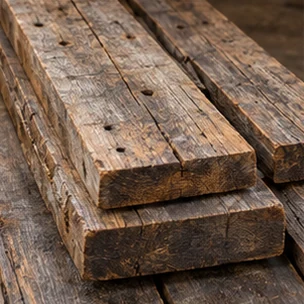
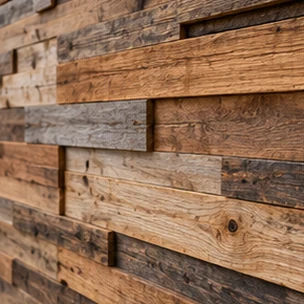
Tailored aesthetic
Specify exact profile, edge detail, and surface to achieve the design intent rather than adapting the design to off-the-shelf siding.
Wood, with a clear specification
Custom Wood Siding is made-to-order cladding delivered to buyer specifications for species, profile, surface, and finish; confirm lot details and milling before specifying.
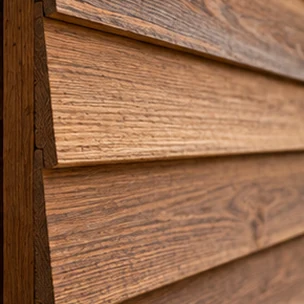
Custom Wood Siding is a made-to-order cladding solution where species, profile, and finish are defined for each project. It is not a single material but a product category that can be produced in many woods and surface conditions—so clarity in the specification is essential.
Because performance and appearance depend on the species and the supplier’s lot, buyers should confirm botanical identity, permitted appearance variation, and documentation for surface finish and moisture control before final acceptance.
Specify exact profile, edge detail, and surface to achieve the design intent rather than adapting the design to off-the-shelf siding.
Order matching interior and exterior panels or choose contrasting species and finishes for layered visual effects.
Factory milling and finishing can reduce on-site cutting and finishing time when coordinated with the contractor’s schedule.
| Comparison criteria | What to expect or request |
|---|---|
| Species / appearance | Specify botanical name or exact trade identity; request lot photos or sample |
| Profiles offered | Provide a dimensioned profile drawing; confirm milling tolerances |
| Surface options | Rough, S4S, planed one face, factory-coated; confirm coating spec |
| Usable widths & lengths | Request usable board widths and length distribution; clarify waste allowance |
| Treatments & coatings | Specify preservative, fire-retardant, or factory finish if required |
| Quantity & pricing basis | Board feet, linear feet, or pieces; clarify short-length and tolerance rules |
| Moisture & acclimation | Ask supplier for lot moisture handling guidance and recommended site acclimation |
Do not accept vague descriptions; require a dimensioned profile and surface definition with the quote.
Custom siding can be made from softwoods or hardwoods. Appearance ranges from tight, uniform grain to dramatic figured boards depending on species and how the lumber was cut. Expect natural variation in color and grain within a lot; seasonal and sapwood patterns are normal.
When you specify a look, use terms that connect to visual outcomes: “tight, straight grain, light uniform color,” “open-grain, prominent rays,” or “knotty and rustic.” Request photos or physical samples from the supplier’s actual lot to confirm color range, knot frequency, and milling marks before approving a large run.
Decide the profile and edge details up front. Profiles change installation conditions: shiplap and bevel lap clear drainage and overlap; tongue-and-groove and shiplap can hide fasteners but may trap moisture if not detailed correctly. Specify whether boards are square-edged, eased, chamfered, or back-kerfed to reduce cupping.
Ask the supplier whether boards are supplied S4S, planed on one face, rough-sawn, or pre-coated. If you intend to paint or stain on site, request unfinished material with adequate time for acclimation at the jobsite. If the supplier offers factory finishing, confirm number of coats, film thickness expectations, and whether coatings are field- or substrate-compatible.
Machining and fastening behavior differs by species and by how the wood was dried. Hardwoods may blunt cutters faster than softwoods; quartersawn or dense grain reduces splitting but can raise tool wear. When planning joinery, pick fasteners and edge treatments appropriate for the species and the profile (face-screws, hidden clips, or concealed fasteners).
Acclimation and moisture are practical concerns. Because siding moves with humidity and temperature, specify target acclimation conditions or ask for documented moisture control (supplier lot reading) before installation. Where leakage or direct weather exposure is possible, confirm recommended clearances to grade, flashing details, and whether preservative or fire-retardant treatments are required for code compliance.
A comparable quote should include: species (botanical or clear trade identity), profile drawing with dimensions, board widths and usable lengths, surface condition (S4S, rough, factory-coated), quantity basis (board feet, linear feet, or pieces), grade/appearance acceptance, and any treatments or coatings included. Don’t accept ambiguous terms such as “siding” without a profile and finish spec.
Also confirm shipment tolerances (percentage of shorter boards, waste allowance), the supplier’s inspection photos or samples from the actual lot, and whether the quote includes packaging or palletization. The supplier will confirm the lot, payment, and freight terms when they issue a formal quote.
Custom Wood Siding is appropriate for new residential façades where a specific species or profile is part of the design intent, for interior accent walls or ceilings where the profile and surface finish matter, and for commercial applications that require matching or specially machined cladding. For exterior use, specify weathering expectations and whether you need preservative or fire-retardant treatment.
If you need a factory-applied finish, confirm coating compatibility with the species and the supplier’s suggested maintenance schedule. For uncoated siding, plan for shop- or site-priming and allow time for end-sealing and acclimation prior to installation.
Primary use for homes where a specific species or custom profile is part of the design—suitable for full façades or accent walls.
Custom profiles and factory finishes create durable interior feature surfaces with controlled appearance.
Used where a designer or architect requires a specific cladding profile or species for a corporate, retail, or institutional project.
Profiles and back-kerf options reduce movement and control appearance in sheltered exterior locations.
Confirm species, profile drawing, surface condition, quantity basis (BF/LF/pieces), and any treatments in writing. Supplier will confirm lot, payment, and freight terms in the formal quote.
Request palletized bundles, photos of loaded pallets, and carrier instructions. Receive on a dry, level area and inspect for visible damage before unloading.
Store off the ground, flat and under cover. Keep bundles supported and allow time for boards to acclimate to jobsite conditions prior to installation.
Salvaged boards prepared as planking for interior walls and ceilings; lots vary in species, surface patina and dimension—confirm lot, finish and edge profile with the supplier.
Explore productWood wall cladding in multiple species and profiles for interior and exterior use; confirm species, profile, finish, and lot details before specifying.
Explore productFocused guides to the specification, application, and delivery questions behind this product.
Reducing movement and staining in wood soffits is a system decision: specify the right thickness and, if used, properly sized back-kerfs; prefinish every face and edge; provide appropriate ventilation and insect screening; and detail flashings and drip edges to keep water off the wood. Include these items in the custom siding quote so the fabricator can recommend the correct panel construction and finish.
Read this InsightA tight specification for commercial custom wood siding should require specific performance documentation, a two‑tier mockup process with written acceptance, detailed rainscreen and attachment drawings, and a maintenance manual plus reserved spare material. Convert these items into a one‑page checklist attached to the bid documents to remove ambiguity and protect design intent.
Read this InsightSpecify species and product form for stability, require factory finishing with an approved mock-up panel, call out back-sealing and substrate flatness, and write enforceable appearance tolerances into the contract. Those steps turn a siding order into a finish-controlled millwork delivery.
Read this InsightA practical guide to choosing profiles and treatments that extend the life of residential wood façades, covering overlap vs. interlock choices, end-sealing, flashing and cavity design, preservative and finish strategies, and how to specify lot appearance and acceptance.
Read this InsightPractical guidance for picking species, profiles, and finishes when the same custom wood siding will be used both outdoors and as interior feature walls, with a focus on performance, finish workflow, and specification items to include in a quote.
Read this InsightPractical steps for accepting, inspecting, staging, protecting, and acclimating palletized custom wood siding deliveries so material arrives installation‑ready.
Read this InsightA field‑by‑field checklist you can paste into an RFQ so bidders price the same custom wood siding: profile drawing, botanical species, surface condition, size and length distribution, moisture targets, treatment/finish, quantity basis, waste allowance, and short‑length rules.
Read this InsightInclude the botanical species or exact trade identity you expect, a dimensioned profile drawing (overlap details, thickness, and widths), the desired surface condition (rough, S4S, pre-coated), quantity basis (board feet, linear feet, pieces), and any treatments or factory finishes. Ask the supplier to confirm the actual lot, sample photos, and moisture handling in their formal quote.
Yes—many suppliers offer factory finishing options, but coating systems and film build vary. If you want factory-coated boards, specify number of coats, color, and whether coatings should be full-coverage or only face-coated. Confirm adhesion and compatibility with the chosen species and whether touch-up products will be supplied.
Plan to receive bundles on a dry, level surface, under cover, and off the ground on pallets. Allow time for the boards to acclimate to the job environment before fastening—exact time depends on the difference between supplier conditions and the site. Confirm any recommended acclimation or moisture targets with the supplier for the specific lot.
Send your volume, destination, and key specifications. A broker can follow up with availability and commercial terms.