Exceptional wood. The right connections.Independent lumber sourcing · Asheville, NC
Wood buying guide

Choosing a live-edge slab for a specific space

Look beyond the widest measurement: usable area, thickness and condition shape a slab project.

RWRarewood Exchange
October 7, 2026 · Sourcing editorial

Measure the usable shape

A live-edge slab is not a rectangular board. Its narrowest width, edge curves and any areas you plan to remove determine the usable surface. Bring the supplier the dimensions of the finished table or countertop and identify where the shape can vary.

Review both faces

Ask for photographs of both faces, the ends and visible checks. Request measurements with the piece clearly identified, so a conversation about a particular slab remains tied to that piece. Natural edges, voids and grain variation may be part of the design, but they should be visible before you accept an offer.

Account for preparation and delivery

Clarify whether the slab is rough, flattened, sanded or finished. The current thickness and the required finished thickness are separate measurements. Have your fabricator assess what preparation is needed for the intended design.

Delivery planning should use the packaged dimensions and weight. Describe the unloading equipment and the route into the workspace before freight is booked.

Jatoba Slabs · BUYER INSIGHTS

Go deeper before you source.

Focused guides to the specification, application, and delivery questions behind this product.

FIELD GUIDE01Jatoba Slabs
Buyer’s guide

Outdoor decking & exterior accents

Jatoba can be used outdoors for decking and exterior accents if you verify species/lot details, seal and detail slabs correctly, allow movement, and follow a regular cleaning and re‑seal schedule to protect color and performance.

Read this Insight
FIELD GUIDE02Jatoba Slabs
Buyer’s guide

Heavy millwork & architectural pieces

Jatoba slabs make striking, durable mantels, benches and commercial counters when you design for their weight and seasonal movement. Start with lot-specific drying info, plan a supporting substructure that carries the slab’s load, reinforce joins and repairs from the underside, use cutters and techniques suited to dense wood, and seal all faces before installation to limit movement and keep finish performance reliable.

Read this Insight
FIELD GUIDE03Jatoba Slabs
Buyer’s guide

Flooring & stair treads

A focused specification checklist and practical guidance for ordering jatoba stair treads, covering milling tolerances, moisture control, fastening and nosing options, appearance matching and on‑site handling.

Read this Insight
FIELD GUIDE04Jatoba Slabs
Buyer’s guide

Tables & countertops

This practical guide walks through selecting, milling, mounting and finishing jatoba slabs for slab tables and countertops. It covers how to choose a flat, well‑dried slab; edge and seam strategies; filling and stabilizing checks; mounting methods that permit seasonal movement; and finishing workflows tailored to dining tables and heavy‑use countertops. Read the slab specifications and lot photos before you buy, and coordinate flattening or surfacing services when flatness is critical. For slabs

Read this Insight
FIELD GUIDE05Jatoba Slabs
Buyer’s guide

Selecting jatoba for interior and exterior applications

Jatoba is an excellent interior wood for heavy furniture, floors, and stair treads because of its hardness and finishability. For exterior decking, it can work in ventilated, well‑drained, and protected installations but requires species confirmation, careful detailing, and a defined maintenance plan; it is not intrinsically a low‑maintenance decking species for fully exposed horizontal surfaces.

Read this Insight
FIELD GUIDE06Jatoba Slabs
Buyer’s guide

Receiving and storing jatoba slabs safely — logistics checklist

Practical, step‑by‑step logistics for safely receiving, inspecting and storing heavy jatoba slabs—covering truck and equipment planning, on‑site handling, delivery inspection, short‑term storage and end‑grain sealing.

Read this Insight
FIELD GUIDE07Jatoba Slabs
Buyer’s guide

Compare jatoba slab dimensions, drying and lot details before you buy

A practical checklist and sample purchase‑order language to ensure jatoba slabs meet your layout, milling and stability needs — focusing on usable length, clear width, thickness and verifiable drying documentation.

Read this Insight
EXPLORE PRODUCTS

Explore related products.

Slabs & rounds

Angelim Slabs

Angelim slabs are large-format tropical hardwood slabs traded under a commercial name that can include multiple species; they’re chosen for heavy furniture tops, island counters, mantels and sometimes decking — always confirm species, slab dressing and lot specifics before specifying.

Explore product
Slabs & rounds

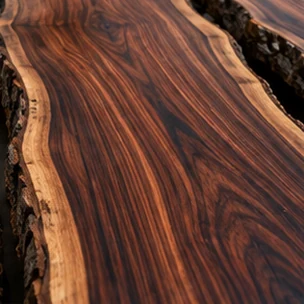
Bolivian Rosewood Slabs

Bolivian Rosewood slabs offer dramatic, streaked faces and dense structure suitable for live-edge tables and high-end tops; confirm species, slab photos, and moisture condition with the supplier before ordering.

Explore product
Slabs & rounds

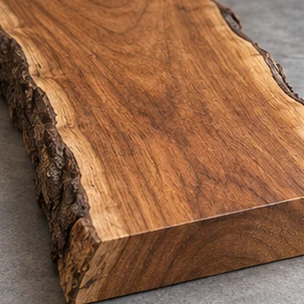
Cumaru Slabs

Cumaru slabs are dense tropical hardwood slabs used for heavy tabletops, live-edge furniture, and decking. Buyers should confirm species identity, slab surface and drying history, and plan for heavier tooling and careful acclimation.

Explore product
Slabs & rounds

Deodar Cedar Slabs

Deodar cedar slabs are aromatic, lightweight softwood slabs commonly used for mantels, tables and interior millwork. Expect lot-to-lot variability and confirm species, drying history and slab condition with the supplier before ordering.

Explore product
YOUR NEXT SUPPLY CONVERSATION

Tell us what you’re sourcing.

One clear brief. The right details. A more useful broker conversation.

Request a quote