Short answer—and the decision you’ll need to make
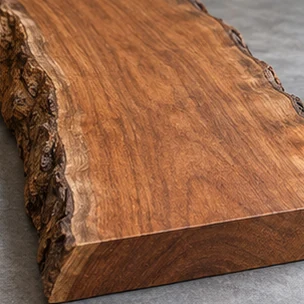
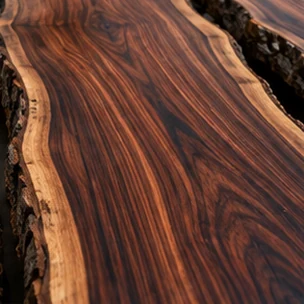
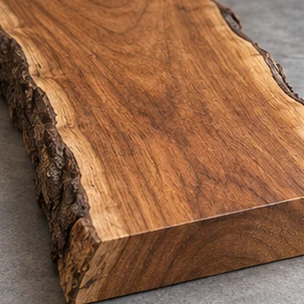
Deodar cedar can work for exterior accents, trim and limited cladding, but it isn’t a blanket recommendation. The species has heartwood that commonly contains natural extractives that slow decay and an appearance many designers want, yet durability and behaviour vary by log, slab and cut. That variability is the story: you must evaluate the specific lot, design details, and expected exposure before committing deodar slabs or boards for outside use.
Think of the decision as three linked questions: is the lot durable enough, will the detailing protect the wood from chronic wetting and UV, and are you prepared to maintain the finish over time? If the answers aren’t confidently yes, choose a species or product better suited to sustained exterior duty.
How to evaluate a lot for exterior use
Durability in deodar is lot-dependent. When a slab or board contains mostly heartwood with minimal sapwood, the natural oils and extractives in the heartwood give far better resistance to rot than sapwood. Ask the supplier to identify what portion of the pieces is true heartwood and point out any wide bands of sapwood, which should be excluded from exposed cladding or trim.
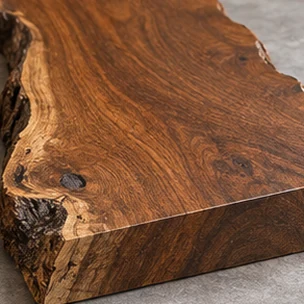
Inspect for checks, end splits, bark inclusions, deep pitch pockets and loose knots—features that accelerate water entry. Where present, these defects can be cut out or finished as interior or sheltered trim rather than exposed cladding.
Request or measure moisture content of the lot and clarify whether the material has been kiln-dried, air-dried, or sold green. Exterior performance is better when the mill and installer control initial drying and keep material protected before installation. Also confirm how the slabs were milled; through-and-through sawn pieces will move differently than quartered or rift-sawn boards.
Detailing that keeps deodar alive outside
Use detailing that minimises wetting and allows drainage and airflow. That means continuous flashings at heads and sills, slope to shed water, and a ventilated rainscreen cavity behind cladding so the assembly can dry. Avoid installing solidly back-nailed boards directly to sheathing without a ventilation gap.
Protect end grain and board edges. End grain soaks water quickly, so cap, coat or tuck them behind trim or flashings. When using live-edge slabs as an exterior focal element, plan caps, drip edges or metal cappings to prevent constant end-grain exposure.
Place deodar in locations with at least moderate shelter when possible: under wide eaves, covered porches, soffits, and secondary accents rather than continuous, fully exposed wall surfaces. On fully exposed façades or low-clearance locations subject to splash or pooling, specify a more durable species or engineered/modeled exterior product.
Finishing and maintenance: be pragmatic
Finishes extend service life but don’t eliminate the need for good detailing and the right lot. Opaque paints provide the most protection from UV and moisture; semi-transparent stains and oils preserve wood character but require more frequent reapplication. If the design intent is to allow the wood to silver naturally, accept that this is a protective aesthetic choice and still seal cut ends and fastener holes to slow decay.
Use coatings and fasteners rated for use with cedar species. Deodar’s natural extractives and tannins can stain adjacent materials and can accelerate corrosion on cheap metal fasteners. For exterior use, specify stainless steel or hot-dipped galvanized fasteners and compatible flashings.
Plan for inspection and maintenance. Exterior deodar will need periodic examination where sun and rain are strongest. Recoat or re-seal when water no longer beads on the surface or you see finish breakdown—frequency depends on exposure, finish type and local climate.
When to choose an alternative
Choose another species or product when exposure is severe or when you can’t guarantee regular maintenance. If the project is in a marine or high-salt coastal environment, in constant splash or ground contact, or is a continuously exposed primary façade with no overhangs, pick a wood species or modified wood with a stronger track record for those conditions.
Also consider alternatives when the lot contains a high proportion of sapwood, deep checks, extensive knots or other defects that would be costly to repair or conceal. For high-traffic trim that will receive frequent impact, a harder, denser wood or a factory-applied, engineered cladding will perform better over time.
If the design absolutely requires the look of deodar but with lower maintenance, consider using deodar selectively for sheltered accents and choosing a longer-lasting product for the main weather-exposed surfaces.
Order, receive and specify—practical checklist
Confirm what you are buying: percentage of heartwood vs sapwood, mill grade, and whether the pieces are slabs, boards or dressed millwork. For exterior uses ask for pieces with clear heartwood where possible.
Specify how the material will be delivered and stored on site to avoid prolonged wetting prior to installation. Require protective packing and sheltered staging, and plan for acclimation if pieces were recently kiln-dried.
Include finish and fastener requirements in the contract: type of coating (opaque vs semi-transparent), end-grain sealing, and stainless or hot-dipped galvanized fasteners. Add inspection milestones so the owner knows when surface maintenance will be required.
BEFORE YOU REQUESTYour sourcing checklist.
- Confirm heartwood proportion and mark pieces with identified sapwood to exclude from exposed cladding
- Ask for a moisture-content reading and note whether pieces are kiln-dried, air-dried, or green
- Inspect slabs/boards for wide checks, end splits, pitch pockets and loose knots
- Specify ventilated rainscreen detailing, end-grain protection and continuous flashings in the contract
- Require stainless or hot-dipped galvanized fasteners and compatible flashings
- Decide finish strategy before installation: paint for maximum protection, semi-transparent stain or oil for appearance, or allow controlled silvering with sealed cut edges
- Plan for a maintenance inspection schedule and recoat triggers (finish failure, water soaking)
Common questions.
Can I let deodar silver naturally outside?+
Yes—deodar will silver if left unfinished and many designers like that patina. If you choose natural weathering, still seal and protect end grain, and accept that exposed areas will require inspection because silvering preserves appearance more than it guarantees long-term resistance to moisture-driven decay.
Is deodar suitable for ground contact or marine environments?+
No—avoid ground contact and severe marine exposure unless the specific lot has been positively identified and treated for those conditions. In splash, ground-contact or salt-rich environments choose a species or treated product rated for those exposures.
What fasteners should I use with deodar?+
Use stainless steel or correctly specified hot-dipped galvanized fasteners and corrosion-resistant flashing materials. Deodar’s natural extractives can stain other materials and accelerate corrosion on inferior metals.
How often will exterior finishes need maintenance?+
Maintenance intervals vary with exposure, finish type and climate. Inspect annually in exposed locations and plan to renew finishes when you see water no longer bead, finish breakdown or UV-driven surface degradation.