Quick thesis: pick Ipe when durability and rot‑resistance matter — but plan for weight and tooling
Ipe slabs are best chosen for projects where extreme hardness, long service life outdoors, and a dense, fine grain are priorities. That includes exterior decking and heavy‑use architectural elements, but Ipe can also make dramatic indoor live‑edge tables and countertops when you accept the machining, finishing, and weight tradeoffs. This guide helps you decide when Ipe is the right material and how to adjust design, fabrication, and installation practices to match its character.
Exterior performance and decking: where Ipe really excels
For exposed decking, cladding, handrails, and exterior furniture, Ipe’s combination of rot resistance, insect resistance, and dimensional stability under weather cycles is why builders specify it. Expect a surface that will patina to a silver‑gray outdoors if left unfinished; if you want the original brown tone preserved, plan for regular reapplication of a UV‑protective penetrating finish.
Design and installation notes: because Ipe is dense and slow to absorb fastener coatings, use stainless steel or appropriately specified corrosion‑resistant fasteners and pre‑drill clearance holes where possible. For decking layouts, account for minimal springback and low movement across seasons but always seal end grain and any through‑cuts to reduce checking. For exterior furniture, avoid thin cantilevers and undersized joinery; the wood’s hardness makes mechanical fasteners hold well but requires pilot holes and strong supporting frames.
Live‑edge dining and conference tables: the look vs. the work
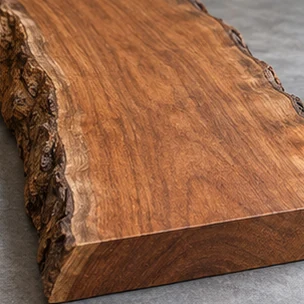
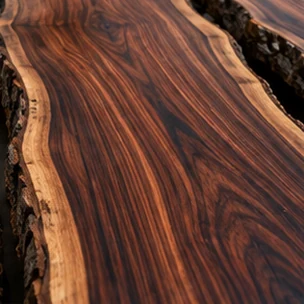
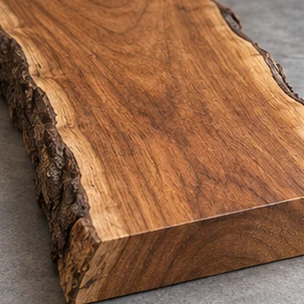
Ipe slabs make very attractive live‑edge tables: the tight grain and walnut‑to‑chocolate brown tones (depending on the lot) give a modern, high‑contrast surface. The tradeoffs are weight, tooling cost, and finish choices.
Structural and design considerations: because Ipe is heavy, plan a steel or reinforced wooden base sized to avoid excessive point loads and to let the slab float slightly for seasonal movement. Thicker slabs add presence but increase shipping and handling complexity; specify lifting points with the supplier and plan on at least two people plus mechanical assistance for longer or wider pieces.
Fabrication: machine with carbide cutters and take light cuts — expect tools to dull faster than with domestic hardwoods. Sand to a higher grit before finishing to bring out depth; consider a barrier coat if you plan to use pigmented or film finishes to prevent blotching.
Countertops and bar tops: when indoor use makes sense and what to check
You can use Ipe for indoor countertops and bar tops where you want a durable, scratch‑resistant surface that ages well. For kitchen countertops, confirm the finish system for food‑prep surfaces and the slab supplier’s recommended sealing and maintenance regimen — finishes marketed as food‑safe differ and depend on your topcoat choice.
Edgework and fabrication: because of the hardness, routing detailed edge profiles takes planning: use new carbide bits, multiple light passes, and slow feed to avoid burning. For sinks or cooktop cutouts, clamp the slab well and pre‑drill all mounting holes. Support the countertop continuously over its length to avoid localized statically overloaded areas — Ipe’s stiffness is high, but unsupported spans still require substrate backing.
Tooling, finishing and weight tradeoffs — practical shop tips
Tooling: choose carbide tooling and keep spare cutters on hand. Ipe blunts high‑speed steel quickly and can generate heat while cutting; use light passes, positive rake cutters where possible, and clear chips frequently. When sanding, start conservatively and inspect frequently for burning.
Finishing: Ipe’s natural oil content can slow penetration of certain finishes and sometimes cause adhesion issues with film finishes. Thorough surface prep — complete sanding, clean dust, and in some cases a light solvent wipe — improves adhesion. If you prefer a natural look, penetrating oils or hard wax oils bring out color and are relatively straightforward to maintain on indoor surfaces; for exterior pieces use UV‑resistant exterior products and plan periodic maintenance.
Weight and logistics: don’t underestimate shipping, handling, and mounting needs. Specify how the slab will be lifted and moved at delivery. For built‑in installations, design anchoring and substrate to bear the slab’s weight safely and allow for minor seasonal movement.
How to confirm the right slab for your project (and where to check specs)
Before you commit, confirm these supplier‑dependent details: exact slab thicknesses and whether the faces are surfaced, straightness/flatness tolerances, moisture‑content target and how the slab was dried, presence of sapwood, visible defects and their location, full dimensions and clear photos, and the slab’s finished planed face or roughness. Also confirm lifting recommendations, crate dimensions and weight for jobsite logistics.
For a convenient spec and buying checklist, see the Ipe Slabs product page for the lot‑specific measurements and acceptance criteria. Use that page to match slab dimensions to your base or substrate, verify finish recommendations, and finalize handling and delivery plans.
BEFORE YOU REQUESTYour sourcing checklist.
- Confirm slab dimensions (length, width, thickness) and whether faces are surfaced or rough
- Request photos and check grain orientation, sapwood, and visible defects before order
- Verify moisture‑content target and drying method (kiln or air) for your climate/installation
- Ask supplier for flatness and camber tolerance and whether they apply end‑grain sealing
- Get slab weight and recommended lifting points; plan for mechanical assistance for large pieces
- Confirm recommended finishes for your use (interior food‑prep vs exterior UV protection)
- Verify fastener recommendations and whether pre‑drilling is suggested for the lot
- Arrange delivery timing and site access to accommodate crate size and unloading
Common questions.
Is Ipe a good choice for an indoor live‑edge dining table?+
Yes — if you want a very hard, durable top with a tight grain and are prepared for heavier weight, more aggressive tooling, and a finish plan that suits interiors. Design a robust support and plan multiple people or mechanical help for handling.
Can I use Ipe for kitchen countertops?+
You can, but confirm the finish system with the supplier and the finish manufacturer for food‑prep safety and maintenance. Expect to use finishes that require periodic reapplication and to take extra precautions when cutting or making sink cutouts because of Ipe’s hardness.
Do Ipe slabs need special fasteners outdoors?+
Use corrosion‑resistant fasteners recommended for dense tropical hardwoods — stainless steel is commonly specified for long‑term exterior use — and pre‑drill where possible to avoid splitting and to improve finish around screw holes.
How difficult is it to machine Ipe?+
Ipe machines well with carbide tools but will blunt cutters faster than most domestic hardwoods. Use light passes, fresh carbide cutters, and proper dust control; expect to inspect edges for tear‑out and to do more sanding.
Will Ipe move or check after installation?+
Ipe is dimensionally stable compared with many species, but any solid wood can move with humidity cycles. Minimize risk by confirming drying method and moisture target, sealing end grain, allowing for movement in the installation, and avoiding constraining joinery.