Thesis — why a tightly measurable spec matters
If you want bids that are directly comparable, the specification must convert visual preferences and broad terms into measurable, checkable items. Vague language (“select-grade oak, random widths”) invites each vendor to interpret appearance, dimensions, and acceptance differently. The result: quoted materials that look and perform differently, hold different yields, and arrive with different packaging and documentation.
Below are the exact items to include — and why each matters to contractors, installers, and purchasing departments when you specify solid plank flooring for an accurate quote.
1) Required measurable terms — the baseline of every quote
Species and commercial name: give the botanical name where possible and the trade name you expect. When a trade name can mean more than one species, require the supplier to confirm the botanical identity and lot declaration.
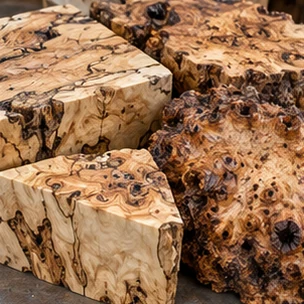
Grade and appearance: define grade with measurable criteria — permitted knot size and frequency, mineral streaks, sapwood allowance, percentage of boards with character features, and whether you accept mixed grain (flat/quarter) or require primarily one cut. If you need a tighter visual match, require the supplier to submit sample boards or a lot photo set before quoting.
Thickness and profile: state finished thickness (nominal and exact finished thickness if prefinished), whether boards are solid tongue‑and‑groove and if ends are square, eased, or micro‑beveled. For site machining or stair treads, require full‑depth thickness tolerance.
Widths and lengths: list exact widths offered (single width or specified multiple widths) and the length distribution you want (random, full‑lengths, minimum and maximum lengths). If you need kiln‑long pieces or specific long‑length lot percentages, state them.
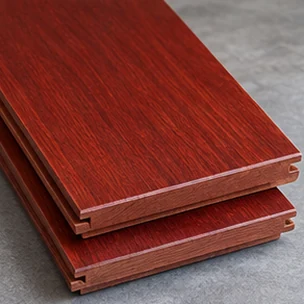
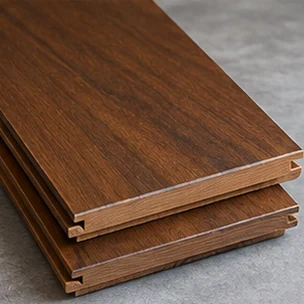
Finish type (unfinished or factory finished): if factory finished, specify coating type, sheen, number of coats, edge/fill treatment, and whether boards are sanded to a specific grit before finish. If unfinished, state sanding tolerance and whether UV curing or other processes are required.
Quantity basis: require quotes in consistent units — usable board feet, square feet of coverage, or number of linear feet — and specify whether allowance for waste is included and at what percentage.
Tolerance and straightness: state allowable cupping, twist, bow per board and how tolerance will be measured (straightedge length).
Edge and end machining: whether tongues, grooves, and ends are machined to installation system tolerances, and who is responsible for matching stair nosing profiles.
2) Lot photos and acceptance criteria — reduce visual ambiguity
Require a pre‑shipment lot photo set (high‑resolution) showing multiple representative boards laid side by side, end grain, and close‑ups of any character features that would be accepted or rejected. Specify file format and minimum resolution so vendors deliver useful images.
Define what constitutes an acceptable lot: percentage of boards matching the sample, allowable defects per board, and whether the buyer may refuse a lot that has unacceptable color or excessive character. State the timeframe in which the buyer will inspect and notify the seller of nonconforming lots after delivery.
If bookmatching or sequence matching is required across rooms, require mill layout drawings and an approval of the first shipped bundles before the rest of the order is produced.
3) Moisture documentation and acclimation instructions — avoid movement and callbacks
Specify the target moisture condition for shipped boards in relation to the jobsite — for example, require the supplier to ship boards stamped with measured moisture content (MC) for the lot and the test method used. Require a calibrated moisture meter reading from the end grain for a representative sample of boards and include the number of boards tested.
Provide acclimation instructions the installer must follow, including in‑place staging conditions, required ambient temperature and humidity range for acclimation, and the minimum time and inspection steps before installation begins. If you need boards delivered at a specific MC range for glue‑down or nail‑down installation, state that and require documentation on the packing list.
Define acceptance on moisture: who will take and record readings on arrival, the sampling plan (how many boards per pallet), the rejection threshold and remedial steps (quarantine, additional acclimation, or return). This prevents disagreements when boards are too wet or too dry for the intended installation method.
4) Packaging, labeling, and delivery acceptance — make receiving simple and enforceable
Require durable packaging that protects edges and finish (when factory finished). Specify palletization or banding method, inner protections between boards, and which way bundles should be laid to allow safe forklift pickup.
Labeling must include SKU or lot number, species, grade, finished dimensions, quantity (by square foot and board count), and moisture test documentation. Require that each pallet or bundle carry a matching label and that the same lot number appears on packing lists and pre‑shipment photos.
State delivery acceptance terms: appointment windows, equipment the supplier must supply for liftgate or tailgate service, and a clear inspection checklist for the carrier and site upon arrival. Define the timeframe and procedure for notifying supplier of visible shipping damage, and whether the supplier must replace or repair damaged bundles before installation.
Putting the spec to work — how to evaluate quotes and next steps
Ask vendors to submit everything in a uniform format: line items that list species, grade, finished dimensions, width/length distributions, quantity basis, lead time, lot photos, moisture test report, finish spec (if factory finished), and packing details. That lets you compare apples to apples on yield, logistic costs, and installation readiness.
When you receive quotes, score them against the acceptance criteria in your spec (appearance match, MC documentation, packaging, and delivery capabilities) rather than price alone. If a vendor wants to offer alternatives, require them to quote the specified baseline first and then provide the alternative as a clearly separate line item with a photo set.
For projects using Rarewood Exchange product forms, refer vendors to the Specialty New Solid‑Plank Flooring listing as the baseline product family to confirm available species, finishes, and product forms.
BEFORE YOU REQUESTYour sourcing checklist.
- Exact species (trade and botanical name) and single‑lot confirmation
- Grade criteria spelled out with measurable allowances
- Finished thickness and profile tolerance
- Width and length distribution (and minimum/maximum lengths required)
- Finish: unfinished or factory finished with coating details
- Quantity basis (square feet, usable board feet, board count) and waste allowance
- Pre‑shipment lot photos and approval process
- Moisture documentation method, sample size, and acceptance plan
- Packaging, palletization, and full labeling requirements
- Delivery terms including appointment, liftgate needs, and damage inspection
Common questions.
Do I need to specify a moisture number in the contract?+
Yes — but don’t leave it vague. Require the supplier to document the lot’s measured moisture condition and the test method, and state your jobsite’s target condition and the sampling plan for acceptance. If you want a specific MC range, make sure it aligns with your installer’s preferred installation method and local site conditions.
How many pre‑shipment photos are reasonable?+
Require a representative set that shows multiple boards side‑by‑side, end grain, and closeups of typical character. Specify file format and a minimum number of boards photographed so suppliers deliver consistent, useful images for visual acceptance.
Can a vendor quote multiple width options?+
Yes — but require them to quote the baseline width set you specified first. If they offer alternate width packs, require separate line items and clearly stated percentages of each width in the lot.
What if delivered boards fail my acceptance criteria?+
Your spec should state the rejection process: immediate documentation on arrival, sample testing, notification timeframe, and remediation options (replacement, credit or additional acclimation). Having this spelled out reduces disputes and speeds resolution.