Single-piece, full-depth wood
Offers the authentic look of solid wood across the board thickness and allows multiple sand-and-refinish cycles when thickness and milling permit.
Wood, with a clear specification
Also searched as solid plank flooring, single-layer hardwood flooring
Newly milled single-layer hardwood boards sold for interior flooring; verify species, grade, surface, and moisture with the supplier before ordering.
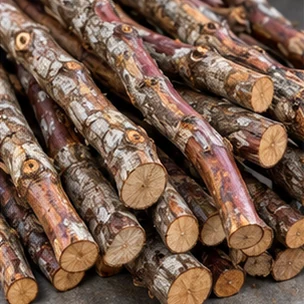
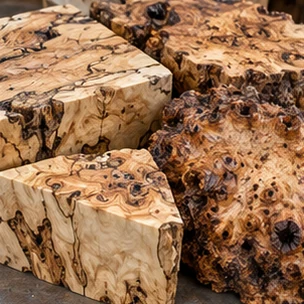
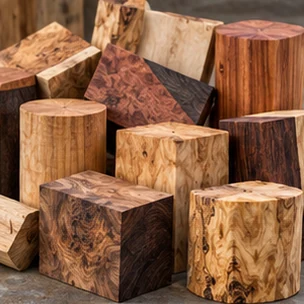
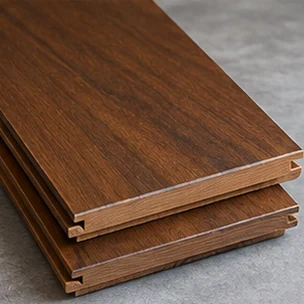
Specialty New Solid-Plank Flooring is new, single-layer hardwood milled and sold for use as flooring. The "specialty" label typically means uncommon species, distinctive grain/figure, or wider-width assortments selected for visual impact.
Because the product name is broad, the supplier’s lot will define the useful details: species identity, grade rules, surface condition, and typical lengths. Buyers should request photos and written lot descriptions and treat each quote as tied to that lot.
Offers the authentic look of solid wood across the board thickness and allows multiple sand-and-refinish cycles when thickness and milling permit.
Specialty species and appearance grades provide a range from tight, uniform runs to dramatic, figured boards for show floors.
Use the same stock for stair treads, returns, and trim for a cohesive interior where single-piece members are preferred.
| Specification | Common options | What to confirm with supplier |
|---|---|---|
| Species / trade name | Domestic species, exotics, or trade names | Botanical name if available; photos of the lot |
| Appearance grade | Select / Character / Rustic / Custom | Written allowable defects and sample photos |
| Surface / milling | Sanded, as-milled, tongue-and-groove, eased edge | Exact surface state and installer-facing profile |
| Thickness | Typical hardwood thicknesses by supplier | Confirm nominal vs finished thickness and sanding allowance |
| Widths and lengths | Narrow to very-wide; random or fixed widths | Typical board widths and usable length ranges |
| Finish | Raw (unfinished) or factory prefinish | Type of factory finish and recoat compatibility |
| Moisture & acclimation | Lot moisture documentation may be provided | Request MC reading and supplier acclimation guidance |
| Quantity & pricing basis | Quoted per sq ft or per board foot | Confirm units, required overage, and cut tolerance |
| Packaging & labeling | Bundles, skids, labeled by lot | Require lot ID on packaging and delivery paperwork |
Do not accept verbal descriptions as the specification — require photos, a written lot description, and the supplier’s acceptance criteria on delivery.
Solid planks behave differently than engineered products. They will move across the grain with seasonal humidity changes, so acclimation, jobsite moisture control, and installation details (nailing, gluing, or floating) matter. Because this product is sold as solid plank, confirm whether edges are eased, tongue-and-groove machined, or simply square; that changes installation method.
Fastening and substrate: solid planks are commonly nailed or stapled to a structural subfloor. If you plan adhesives or installation over plywood, check that the supplier’s recommended practices and the species’ tendencies are compatible. Always verify the lot’s moisture content or request documentation and plan to acclimate boards under site conditions before installation.
Finishing behavior depends on the species’ openness of grain, natural oils or extractives, and surface preparation. Some specialty species may need sealing to avoid blotching; others take stain predictably. Ask whether boards are supplied raw (unfinished) or prefinished.
One advantage of solid planks is refinishability: when properly installed, several sand-and-refinish cycles are possible, but usable sanding depth depends on the board thickness (confirm with supplier) and the presence of prior milling or profiling.
Solid-plank flooring suits residential living areas, period-style interiors, high-end retail, and installations where the single-piece look is desired. It’s especially appropriate when you want a floor that can be sanded and refinished multiple times or when matching stair treads and trim to the same stock.
Avoid assuming solid planks are acceptable for subfloor types or radiant-heated installations without confirmation. For high-moisture areas and some commercial settings, engineered products or specified finishes may be more stable or durable. Always specify the intended environment and request supplier guidance for the species and lot you plan to use.
Compare offers on the same measurable terms: species (botanical if available), visual grade, thickness, typical widths and usable lengths, surface condition (sanded, as-milled, prefinished), moisture documentation, packaging, quantity basis (square feet vs board feet), and whether boards are sorted or random-length assortments.
Ask each vendor for photos or mill samples, a written description of defects allowed by grade, and confirmation of who bears responsibility for acclimation guidance, matching trim, and accept/reject criteria on delivery. The supplier will confirm actual lot details, quote, payment, and freight terms on order.
Plan for regular maintenance appropriate to the finish specified — touch-up products, recoat schedules, and the possibility of sanding. When ordering extra material for repairs, request a reserve quantity cut from the same mill run when possible; color and grain shift between lots can make later repairs obvious.
Document the lot number, grade photos, and any certificates the supplier provides at delivery; these will help match replacement boards or support warranty or acceptance discussions.
Use when the project calls for single-layer boards that can be screened and fully sanded later. Ideal for living rooms, dining rooms, and bedrooms where character or wide-plank looks are desired. Confirm in-use humidity control and finish selection for daily wear.
Appropriate for retail, boutique hotels, and office spaces where the look of solid timber is specified and finish systems are chosen to handle traffic. Require finish and species compatibility statements from the supplier.
Order the same lot for stair treads and trim to ensure color and grain match; confirm thickness and the ability to profile treads from the supplied thickness.
When new boards are needed to emulate older floors but reclaimed material is not suitable, specialty new solids let you control appearance while keeping traditional single-piece construction.
Specify species (botanical if available), appearance grade, surface condition, thickness, typical widths and usable lengths, quantity basis (sq ft or bd ft), and required overage. Ask for photos of the lot and a written lot ID to be attached to the shipment.
Long-length boards are best shipped on pallets or skids and should be marked by lot. Inspect bundles on arrival for lot ID, visible damage, and moisture indicators; open a representative bundle for immediate inspection before signing acceptance if practical.
Store indoors on level, dry supports with stickers to allow airflow. Keep the product closed in its lot bundles until acclimation on site. Avoid stacking in direct sunlight or near heat sources that can trigger distortions.
Antique reclaimed solid-plank flooring delivers historic patina and variable character; confirm species, thicknesses, finish state, and usable lengths with the supplier before specifying.
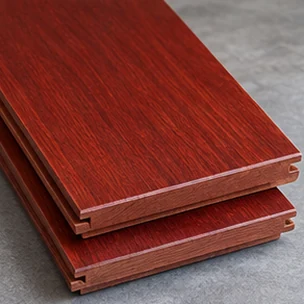
Explore productBloodwood flooring is an exotic, high‑density hardwood option prized for deep red color and wear resistance; confirm species, grade, moisture, and finish behavior with the supplier before ordering.
Explore productCustom engineered wood flooring lets you specify face species, wear-layer thickness, core construction, and finish for projects that need a tailored appearance and performance. Confirm all construction details and lot identification on the supplier quote.
Explore productIpe Flooring is an ultra-dense exotic hardwood product used where extreme wear resistance is required. Confirm species identity, board profile, moisture history and finish condition with the supplier before specifying.
Explore productFocused guides to the specification, application, and delivery questions behind this product.
Practical guidance for selecting new solid plank flooring that reads like historic floors: pick species and widths to match the period, choose grade and surface profile that allow character and patina, specify mill edge and face treatments, plan for movement and acclimation, and require lot-specific samples and written specs before accepting a shipment.
Read this InsightTo achieve a convincing match, order treads, nosings and visible trim from the same solid‑plank flooring lot, specify profile and finish allowances up front, approve a machined sample, and coordinate layout, acclimation and installation to preserve the match.
Read this InsightA practical guide for deciding when solid plank flooring belongs in commercial interiors and how to specify finish systems, installation, and maintenance to protect performance and appearance.
Read this InsightA practical guide to selecting specialty new solid‑plank flooring for luxury homes — covering visual grading, lot selection, stair and trim matching, finish options, and site handling to ensure a consistent, durable result.
Read this InsightSolid-plank flooring is a great fit for conditioned interiors, stair treads, and restoration projects where full-thickness boards and long-term refinishing value matter. For high-traffic or moisture-prone areas, evaluate species, finish, and site moisture control carefully and compare engineered alternatives when substrate or humidity makes solid riskier.
Read this InsightPractical, shop‑ready steps to receive and store long solid plank flooring: specify proper pallet packing and labeling, inspect and document at delivery, store stacks flat with stickers in a conditioned area, use moisture readings to guide acclimation, and plan handling for stairs and tight sites to avoid damage and waste.
Read this InsightA step‑by‑step checklist and template content showing the measurable terms, lot photos and acceptance rules, moisture documentation and acclimation, and packaging and delivery conditions you must include so multiple vendors return directly comparable solid‑plank flooring quotes.
Read this InsightUse objective items in the purchase spec: species (include botanical when available), a named visual grade with a written list of allowed defects, and request photos of the actual lot or a representative sample pack. Require that the supplier mark the lot on the packaging and provide acceptance samples on delivery so you can inspect before installation.
Yes — acclimation is critical for solid planks because they move more than engineered products. Ask the supplier for the lot’s moisture content and the recommended acclimation procedure for your jobsite conditions. Plan for site humidity control and hold boards until they stabilize under the same conditions as the future in-use environment.
Some species and installations can work over radiant heat, but many solid planks are not recommended. Do not assume compatibility: confirm with the supplier, the flooring finish manufacturer, and the radiant-heat system designer. If you proceed, require written guidance from the supplier about maximum subfloor temperatures, acclimation, and fastening methods.
Send your volume, destination, and key specifications. A broker can follow up with availability and commercial terms.