Machining and shaping
Soft hardwood structure cuts and routes cleanly with sharp tools, reducing tearout on profiles and carved detail.
Wood, with a clear specification
Alder lumber is a workable, moderately soft domestic hardwood favored for painted millwork, cabinetry and furniture. Confirm species, visual grade and lot-specific surface form before ordering to ensure color match and predictable finishing.
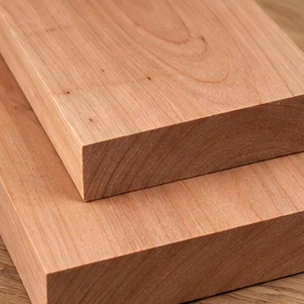
Alder lumber offers a balance of easy machinability and a mild, even grain that takes paint and many clear finishes well. It is widely used for interior millwork, cabinetry and furniture where a workable, economic hardwood is required.
Because “Alder” can refer to different regional species, appearance and density vary. Buyers should confirm the species or source region, the visual grade, and the surface/cut form before specifying for an appearance-critical project.
Soft hardwood structure cuts and routes cleanly with sharp tools, reducing tearout on profiles and carved detail.
Accepts paint and clear finishes; stain requires testing for blotchiness and color variation.
Generally more economical than many stronger hardwoods for interior work where high hardness is not required.
| Property | What to check on the lot or quote |
|---|---|
| Appearance & grade | Photos or sample boards; presence of knots, sapwood, or mineral streaks |
| Grain & figure variation | Whether lot shows straight grain, ripple, or ring figure; acceptability for clear finish |
| Stability & movement | Documented moisture content or kiln schedule and recommended acclimation |
| Workability | Surface form (rough, S4S), tool edge condition, and how the lot planes |
| Surface condition & defects | End checks, mill glaze, warp, or splits that affect yield |
Confirm species/region and acceptance criteria; do not assume a specific surface or grade.
Alder machines and saws cleanly for a soft hardwood. It is easy to route, plane and sand, with little tendency to chip if tooling is sharp. It takes screw and nail fastenings well, but like all hardwoods you should pre-drill for finish-size screws in narrow edges.
Glue bonding is reliable with common PVA adhesives and modern polyurethane glues — test the chosen adhesive with your finish system and the actual lot. Because alder is softer than many hardwoods, finish-sanding with progressively finer grits will reduce visible tearout on figure and produce a smoother surface for stain or paint.
Alder is a favorite for painted millwork because of its fine, even grain and dimensional stability. For paint, knotty grades often require filler or primer. When planning a stained finish, expect some blotchiness and color variation: use controlled pre-stain conditioners, test with the exact stain and sample board, or choose a dye system for a more even result.
Clear finishes can look attractive on finer grades, but color will deepen and warm over time under oil or lacquer. Specify sample panels and agree on acceptance criteria for color and sheen before finishing full production runs.
Alder is widely used for painted and stained cabinetry, interior millwork, furniture components, doors and architectural trim where a moderate strength-to-weight balance and easy machining are priorities.
Its workability and predictable grain make alder a good choice for carved details, turned parts and small joinery pieces. For heavy structural or exterior applications, confirm species-specific durability and consider more durable hardwoods or treated materials.
Request the exact lot details: species or source region, grade (appearance photos or sample boards), surface condition (rough, S4S, planed), and documented moisture content or kiln schedule. Usable length distribution, minimum board widths, and whether edges are jointed will change yield and glue-up plans.
Ask suppliers for photos of representative boards, a statement of defects included in the price (knots, checks, sapwood), and the basis for quantity pricing (board feet, linear feet, per piece). Confirm whether the seller will match grade and appearance across multiple pallets or shipments.
Acclimate boards to the shop or jobsite and to the intended final environment — do not assume stable moisture content on delivery. Use stickers and air movement for stacks; avoid laying boards directly on concrete or outdoors.
When receiving, inspect for end checks, warp, hidden sapwood, and mill glaze. Record the lot, accept or reject per agreed criteria, and keep a sample board from each lot for color checks and finish trials.
Alder’s fine grain and dimensional stability make it a standard for painted casings, baseboards and architectural trim. Knotty grades can be filled and primed for an economical painted finish.
Used for cabinet frames, door faces and interior components where easy machining and consistent grain help production runs and handwork alike.
Clear, smoother grades are suitable for bedroom and living-room furniture. For stained furniture plan color tests and consider dye or conditioner for even tones.
Because it turns and sands cleanly, alder is a popular choice for spindles, knobs and small carved elements.
Specify species or region, visual grade, surface form, quantity basis (board feet or pieces), and request representative photos or physical samples before finalizing the purchase order.
Shipments should be inspected on arrival for visible defects, end checks and moisture-related issues. Record lot numbers and keep a sample board for finish trials.
Stack flat with stickers, allow airflow and acclimate to the work environment. Avoid contact with wet surfaces or direct sunlight that can warp or darken boards.
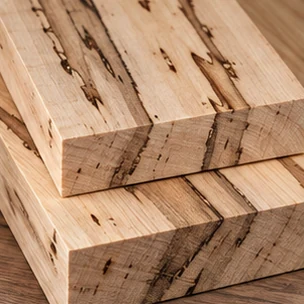
Ambrosia Maple lumber is domestic maple with beetle-streaked figure prized for character furniture, cabinetry, and interior accents. Confirm lot photos, moisture status, and appearance acceptance before ordering.
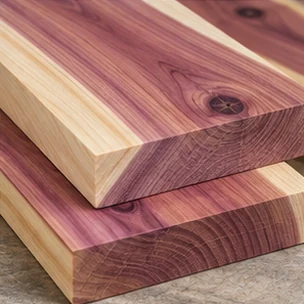
Explore productAromatic cedar lumber is a scented domestic lumber popular for closet linings, small casework, and interior millwork. Confirm species and lot details before specifying because appearance, aroma and working behavior vary by lot.
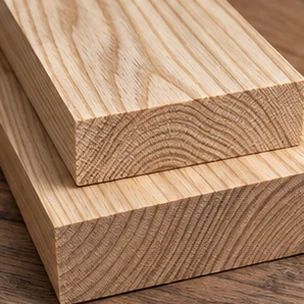
Explore productAsh lumber is a strong, light-toned domestic hardwood with straight grain and good finishing versatility; confirm species, grade, and physical forms with the supplier before ordering.
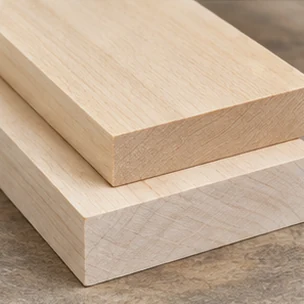
Explore productBasswood lumber is a pale, lightweight domestic hardwood valued for carving, paint-grade millwork, and pattern making; confirm species, lot, and surfaced condition with the supplier before ordering.
Explore productFocused guides to the specification, application, and delivery questions behind this product.
Alder is a practical, easy-to-turn domestic hardwood for knobs, small spindles and decorative components when you pick straight-grain, kiln-dried blanks and specify appropriate finishes. This guide covers tool approach, grain orientation for strength, sanding and finish choices for wear, and how to plan blank yield to reduce waste.
Read this InsightAlden accepts stain attractively but is prone to uneven absorption. The most reliable approach combines lot sorting and representative finish trials with one of three shop sequences: pre-stain conditioner, dye-first, or gel/pigmented base coats. Choose the sequence that matches the look you want, confirm product compatibility with tests, and control sanding and application technique across the whole job.
Read this InsightAlder is a practical and popular choice for cabinets and casework but delivers reliable results only when face selection, door construction, edge treatment, color sorting and finish testing are specified and approved in advance. Require full-size sample doors and clear acceptance criteria tied to the delivered lot, and reference the Alder Lumber product page for grading and moisture-check requirements.
Read this InsightPractical guidance for specifying alder lumber for paint‑grade interior trim: choose the right visual grade and product form, stabilize and fill knots correctly, use a tested priming strategy, and include clear acceptance criteria and mockups in the purchase order to avoid telegraphing and finish failures.
Read this InsightAlder is a flexible, easy-to-machine hardwood that is an excellent choice for paint-grade millwork, a strong candidate for stained cabinet faces with proper lot testing, and a reasonable option for clear-finish furniture when you select tight boards and protect the softer surface.
Read this InsightPractical, step-by-step guidance for protecting a bulk alder lumber order in transit and at delivery: require proper palletization and tags, perform a structured inspection and moisture checks on arrival, document lot numbers and photos, segregate damaged boards, and store stickered under cover while you begin acclimation.
Read this InsightA practical guide to specifying alder lumber for predictable yield and finished appearance: pair a clear description of appearance intent with a surface-form instruction and concrete acceptance procedures (pre-shipment photos, approved physical sample, labeled lots, and inspection terms) so delivered material matches the shop needs.
Read this InsightAlder is not typically specified for exposed exterior use without protection. Its heartwood has limited natural decay resistance compared with more durable species. For exterior applications confirm the exact species and consider coatings, engineered alternatives, or more durable species designed for exterior service.
Color consistency depends on species, lot, and how the boards were surfaced. Request sample boards from the same lot, agree on acceptance criteria, and use a standardized finish recipe (stain/conditioner/clear). For critical runs, ask the supplier to split your order from the same drying and sawing lot.
Confirm species (or region), visual grade, surface condition, moisture documentation, usable lengths, and quantity basis. Request representative photos or a physical sample, and have the supplier confirm whether color and grade will be consistent across the quantity you need. The supplier will confirm lot, quote, payment and freight terms on the actual order.
Send your volume, destination, and key specifications. A broker can follow up with availability and commercial terms.