Distinctive visual character
The dark streaks create immediate visual interest without the expense of exotic species—use as a focal tabletop, accent wall, or cabinet face.
Wood, with a clear specification
Ambrosia Maple lumber is domestic maple with beetle-streaked figure prized for character furniture, cabinetry, and interior accents. Confirm lot photos, moisture status, and appearance acceptance before ordering.
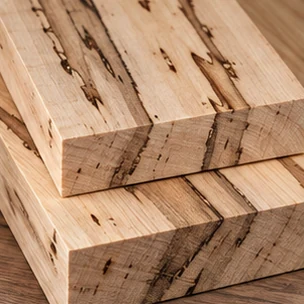
Ambrosia Maple refers to maple boards that display beetle tunnels and associated staining; the effect is purely aesthetic and valued for its rustic or modern character, depending on streak density and finish. The underlying wood is domestic maple; treat it as you would other hard maples when milling and finishing.
Because ambrosia patterns are random, successful specification depends on inspecting the actual lot. For projects that require matched appearance—paired tops, runs of shelving, or coordinated paneling—ask suppliers to provide sample boards or to reserve and label matched packs.
The dark streaks create immediate visual interest without the expense of exotic species—use as a focal tabletop, accent wall, or cabinet face.
Works like other domestic maples: machines and sands well with sharp tools, accepts glue and finishes reliably when tested on the lot.
Provides character without exotic import lead times; suitable where interior appearance is the primary driver.
| Criteria | What to confirm with supplier | Why it matters |
|---|---|---|
| Species / trade name | Exact species or Acer sp. confirmation | Ensure consistency with project specs and expectations |
| Appearance / streak density | Photos or sample boards from the quoted lot | Visual match for furniture faces, matched panels, or runs |
| Dimensions & tolerances | Thickness, width range, and usable lengths | Determines machining allowances and yield |
| Moisture content | Kiln-dry report or target MC by lot | Reduces risk of movement, cupping or joint failure |
| Surface condition | Raw-sawn, surfaced, or S4S—confirm by lot | Impacts prep work, gluing, and finish results |
| Quantity & pricing basis | Board feet or piece count and minimums | Affects cost calculations and waste planning |
| Defects & grading | List of allowable knots, checks, insect holes | Defines acceptance criteria and expected yield |
Do not assume identical appearance between suppliers—require lot photos or a sample and get written acceptance criteria for any appearance-critical order.
Ambrosia Maple behaves like other maples in the shop. It machines cleanly with sharp cutters but can burn during planing or routing if tools are dull or feeds are slow—test tooling on a scrap from the lot. Grain can be straight or subtly interlocked; pay attention to tear-out on planing across figure.
Pre-drill for screws near edges to avoid splitting in narrow boards. Gluing and most finishes take well, although the stained areas may absorb finish differently than the surrounding wood. Always test your intended finish on a prepared sample from the actual lot to check colour response, raised grain, and whether any stain bleeding requires a sealer or stain blocker.
Treat ambrosia maple like other interior hardwoods: ask whether the lumber was kiln-dried and request moisture content documentation for the quoted lot. Acclimate the boards to the shop or installation environment until they reach equilibrium before final machining, finishing or installation.
Variation in drying can increase the likelihood of cupping or twist on wide boards. For dimensionally critical work—cabinet doors, large tabletops, or glued panels—confirm thickness tolerances, face flatness, and whether panels are supplied edge-glued or as single boards.
Ambrosia Maple is popular for furniture tops, casegoods, open shelving, interior paneling, accent trim and character flooring where the streaked figure is a desired visual element. It’s primarily an interior material; if you plan exterior use, verify species, treatment, and suitability with the supplier.
When specifying, focus less on the trade name and more on lot-level qualities: overall colour balance, density of streaking, tolerances, and surface condition. If you need matched panels or consistent streaking across multiple pieces, ask for a colour-match sample or request that boards be selected and identified as a matched pack by the mill.
Compare quotes on these practical points: exact dimensions offered (thickness, width, length range), board-foot basis and minimums, grade or appearance categories (and example photos), moisture content or kiln-dry documentation, surfacing condition, and allowable defects.
Also ask about delivery quantities and lot photos, how the supplier defines acceptability for streak density, and whether they can band or stage boards for grain matching. Do not assume two suppliers’ 'Ambrosia Maple' lots will look the same—require images or physical samples for any order where visual uniformity matters.
Ambrosia Maple adds visual interest to tabletops, desk surfaces, and drawer fronts. For tabletops, request longer usable lengths and confirm flatness before glue-up; for case goods, specify matching packs if you need consistent streaking across visible faces.
Use for door faces, open shelving, and display interiors where the figure becomes part of the design. Confirm how the stain reacts to your intended finish and whether a sealer is needed to prevent uneven absorption or colour shift.
Boards make attractive feature walls, wainscot, and interior trim. Because appearance varies, lay out a mock-up panel area from the actual lot to understand pattern distribution and transition between boards.
Define the order by lot photos, exact dimensions, quantity basis (board feet or pieces), minimums, and appearance acceptance criteria. Ask the supplier to confirm species identity and to provide moisture content documentation with the quote.
Confirm palletization, strapping, weight per pallet, and any liftgate or special handling needs. For longer boards, verify transport protection to prevent sag or damage in transit and arrange receiving equipment and space at destination.
Store flat, supported across the length, and protected from rapid humidity changes. Allow boards to acclimate to shop conditions before machining or finishing. For multi-pack orders intended to match, keep the packs together and labelled to preserve selection.
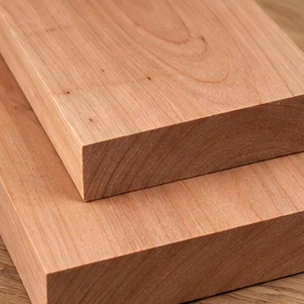
Alder lumber is a workable, moderately soft domestic hardwood favored for painted millwork, cabinetry and furniture. Confirm species, visual grade and lot-specific surface form before ordering to ensure color match and predictable finishing.
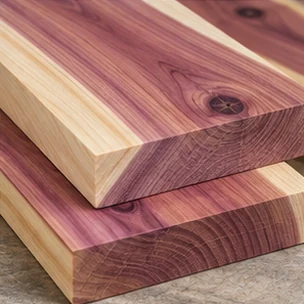
Explore productAromatic cedar lumber is a scented domestic lumber popular for closet linings, small casework, and interior millwork. Confirm species and lot details before specifying because appearance, aroma and working behavior vary by lot.
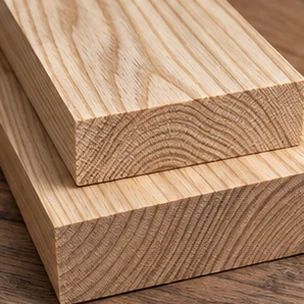
Explore productAsh lumber is a strong, light-toned domestic hardwood with straight grain and good finishing versatility; confirm species, grade, and physical forms with the supplier before ordering.
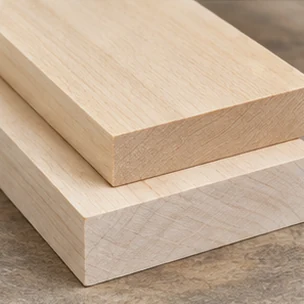
Explore productBasswood lumber is a pale, lightweight domestic hardwood valued for carving, paint-grade millwork, and pattern making; confirm species, lot, and surfaced condition with the supplier before ordering.
Explore productFocused guides to the specification, application, and delivery questions behind this product.
Plan ambrosia maple paneling around lot selection and board placement, validate choices with full-size mock-ups and finish tests, and detail transitions and fastening to control visual consistency and seasonal movement.
Read this InsightA practical, step-by-step checklist for using Ambrosia Maple in cabinet doors and open shelving: agree on appearance with signed samples, run finish tests across the lot, plan edge and joinery details to preserve the look, require lot drying and mill specs from suppliers, pilot-mill before full production, and track matched boards through finishing and installation.
Read this InsightPractical guidance on specifying ambrosia maple for tabletops and case goods: how to order lengths and matched packs, glue-up and movement strategies, finishing tests, and shop machining tips.
Read this InsightA practical buyer’s guide to when Ambrosia Maple is the right choice: use it for visible, character-driven surfaces, test finishes on lot samples, plan for selection waste, and reserve boards for match-critical faces.
Read this InsightBuyer question: How should I receive and store figured hardwoods like Ambrosia Maple to protect appearance? Outline: unloading, inspection on arrival, flat storage, acclimation, matched-pack handling, and documentation to hold suppliers accountable.
Read this InsightA practical checklist and sample wording to include with any Ambrosia Maple quote: require labeled photos and a physical sample from the actual lot, measured moisture documentation and kiln/conditioning notes, a usable-length and yield report, clear grading rules for ambrosia vs. defects, specific surfacing instructions, and written acceptance criteria attached to the purchase order.
Read this InsightNo—ambrosia staining is a cosmetic mark from beetles and associated fungi, not a structural defect. However, assess each lot for actual soundness and ask the supplier to confirm that the lumber was graded and inspected for decay or other integrity issues before purchase.
Test finishes on a sample from the same lot. Oil and clear polyurethane finishes often highlight the streaking, while dye stains can shift contrast unexpectedly. Because stained areas may absorb finish differently, consider a sealer coat or pre‑test to avoid blotching.
Request lot photos or a physical sample, confirmed dimensions and usable lengths, moisture content or kiln-dry report, grading/appearance rules, and any surfacing condition. The supplier will confirm the actual lot, quote, payment, and freight terms when you’re ready to purchase.
Send your volume, destination, and key specifications. A broker can follow up with availability and commercial terms.