Authentic aesthetic
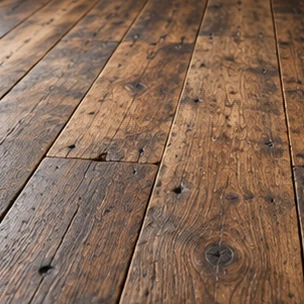
Natural patina, saw marks, and embedded hardware give reclaimed beams a look you can’t mimic with new stock.
Wood, with a clear specification
Salvaged timbers with historic patina offered as beams and architectural accents; verify lot identity, usable sizes, and any structural suitability before specifying.
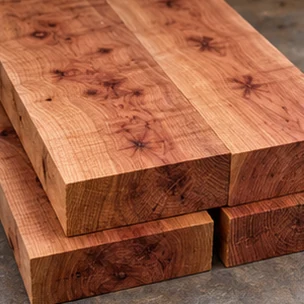
Antique reclaimed beams are salvaged timbers recovered from older buildings and repurposed for architectural and millwork use. The offering is defined by individual lots: provenance, species composition, surface condition, and usable dimensions rather than uniform grade stamps.
Buyers choose reclaimed beams for authentic aging, deep color, and the presence of historic tooling and fastener marks. Because appearance and condition vary, selection should focus on lot-level inspection, sample testing, and clear documentation of what will be supplied.
Natural patina, saw marks, and embedded hardware give reclaimed beams a look you can’t mimic with new stock.
Repurposing existing timbers reduces demand for new harvest and delivers character-rich material for restoration and design projects.
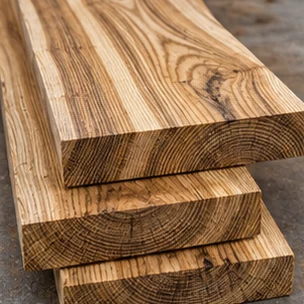
Salvaged beams often provide wide cross-sections and long spans suitable for mantels, table tops, and exposed architectural members.
| Comparison point | What to request or verify |
|---|---|
| Species / identity | Confirmed species or likely group; ask for photos |
| Surface condition | Hewn, sawn, planed, or weathered — request close-up photos |
| Usable cross-section & length | Specify required clear face dimensions and minimum lengths |
| Moisture & seasoning | Confirm current moisture state and acclimation recommendations |
| Embedded metal & defects | Ask seller about known metal; plan for removal and tool protection |
| Structural rating | Not assumed — require engineer review and documentation |
Do not assume uniformity between pieces—always confirm the exact lot and request samples.
Reclaimed beams can be straightforward to work, but their behavior depends on species, age, and the degree of seasoning. Surface hardness, embedded metal, and old preservatives or coatings affect sawing, routing, and sanding. Always inspect for metal — use a magnet and plan to remove embedded nails, spikes, and pins before milling.
Because beam surfaces may be weathered or partially decayed at the surface, you may need to plane or resurface faces to suit a precise fit. Confirm whether pieces are supplied rough or surfaced. When gluing and finishing, test adhesives and finishes on a scrap from the lot; old oils or paints can interfere with bonds and coatings.
Many buyers use antique reclaimed beams as decorative, non-structural elements. If you intend to use a reclaimed beam in a load-bearing role, have its species, cross-section, and condition evaluated by an engineer. Reclaimed timbers often include checks, rot, and fastener damage that reduce section modulus and capacity.
Do not assume a reclaimed beam is code-acceptable for structural framing without documentation or a qualified inspection. Confirm any necessary fire treatment, preservative history, or insect damage report with the supplier and record these in project specifications.
Exposed ceiling beams and vaulted-ceiling accents — when you want the patina and irregularities of aged timber that can’t be replicated with new stock.
Mantels and fireplace surrounds — wide, character-rich pieces that read as authentic period material. If close tolerances are required, plan to flatten or laminate pieces to achieve a straight face.
Retail, hospitality, and residential millwork that benefits from historic character: shelving, bar fronts, display millwork, and furniture tops made from re-sawn beam material.
Compare lots on these practical points: confirmed species (or likely species group), usable cross-section and lengths, surface condition (hewn, sawn, planed, weathered), photos of the actual pieces, documentation of past treatments or finishes, and a clear statement about embedded metal and the seller’s removal policy.
Ask whether pieces are sold by linear foot, board foot, piece, or pallet, and how the seller defines usable length and beam face. For projects that require matched appearance, request a selection from the same lot and allow time for inspection and sample approval before fabrication.
Stabilize reclaimed beams to the jobsite humidity conditions before a final installation to limit movement and checking. For interior display, cleaning, sanding to sound wood, and a clear penetrating oil or hardwax finish are common; test finishes on a representative scrap.
If beams will be exposed to weather or ground contact, confirm prior preservative treatments and plan for appropriate new treatments. For mantels near fireplaces, verify heat exposure limits for finishes and any hidden structural concerns.
Use reclaimed beams to create a historic ceiling rhythm or to accent vaulted spaces. For repeated members, request pieces from the same lot and accept some variation; for tight tolerances, plan to plane or sister with new lumber.
Select wide, visually balanced sections with solid cores for mantels. If the beam has surface checks, consider stabilizing or trimming to a straight face before finishing.
Re-sawn beam faces make distinctive tabletops and counters. Confirm absence of deep rot and remove metal before joinery and veneering operations.
Use beams as shelving, bar-front cladding, or feature headers. Ask for consistent lots or accept planned visual variation when specifying multiple locations.
Decorative exterior uses are possible but require confirmation of prior treatments and new preservative measures; avoid unsupported assumptions about weather resistance.
Specify the lot by photos and a seller lot number, define sale units (piece, linear foot, board foot, pallet), and list minimum usable sizes. Include acceptance terms for samples and holdbacks for pieces that fail inspection.
Beams are often palletized and banded; inspect on receipt for obvious damage, missing pieces, and embedded metal issues. Record visible defects on the delivery paperwork and photograph the shipment before unloading if disputes are possible.
Store flat, elevated from ground, and under cover. Avoid prolonged exposure to wet conditions. Allow pieces to acclimate to the jobsite environment before final trimming or fastening.
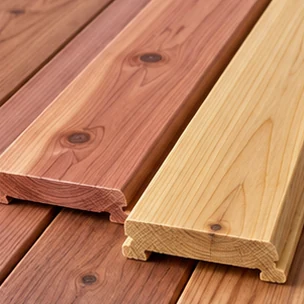
Cedar & Cypress Boards: a category listing for specialty softwoods used in siding, trim, and interior accents—confirm species, surfacing, grade, and drying method with the supplier before specifying.
Explore productSmall-diameter North Carolina mountain laurel sticks for turning, carving and decorative slices; sold by lot—confirm lengths, diameters and drying condition before ordering.
Explore productReclaimed Timber Frame Trusses are unique reclaimed trusses and large timbers salvaged from older buildings, offered for structural reuse or exposed architectural applications. Each lot varies widely in species, condition, joinery, and usable section—inspect samples and require documented condition and engineering review before specifying.
Explore productSpalted wood and burls are decorative specialty hardwoods prized for high-figure, zone lines and swirling grain; ideal for feature furniture, turning blanks, veneers and architectural accents when the lot, drying, and stabilization are confirmed.
Explore productFocused guides to the specification, application, and delivery questions behind this product.
Reclaimed beams can make striking porch and entry features when you inspect for prior treatments and defects, apply appropriate preservative protection, avoid ground contact with durable bearing details, and design flashing, drainage, and ventilation to prevent trapped moisture. Confirm treatment history with the Antique Reclaimed Beams supplier before acceptance and plan for ongoing maintenance.
Read this InsightReclaimed beams are a high‑impact material for retail and hospitality projects but require different procurement and detailing than new lumber. Decide early whether members are decorative or structural, require matched lots and mockups for visual continuity, pick finishes that balance durability and repairability, build a maintenance plan into the contract, and confirm fire code requirements with authorities. For program rollouts ask for matched lots and reference Antique Reclaimed Beams to make
Read this InsightPractical, shop-level guidance for converting Antique Reclaimed Beams into furniture tops and countertops, focused on de-metaling, resawing, stabilizing checks, adhesive and finish testing, and veneer or lamination strategies. Request test pieces from the Antique Reclaimed Beams lot before committing.
Read this InsightPractical, shop‑ready steps for selecting a structurally sound reclaimed beam, confirming heat safety and finishes, flattening a display face while preserving patina, fastening the beam securely, and maintaining it over time. Request a representative sample and moisture reading from the Antique Reclaimed Beams lot before committing.
Read this InsightPractical, trade-focused guidance for specifying antique reclaimed beams for exposed ceilings: lock down same-lot appearance, decide structural vs decorative early, detail anchorage and tolerances, coordinate services, test finishes on samples, and require clear delivery and mock-up procedures.
Read this InsightChoosing reclaimed beams starts with defining intended use: decorative, non‑structural architectural, or structural. Match appearance needs to lot photos and physical samples, require moisture readings and metal detection, and secure engineer approval for any load‑bearing reuse. Expect extra shop time for de‑nailing, resawing, and consolidation, and decide whether preserving patina or achieving a uniform finish is your priority. Request lot photos and a finished sample from Antique Reclaimed Be?
Read this InsightA practical, shop-focused checklist for accepting antique reclaimed beams: coordinate delivery expectations, inspect and photograph on arrival (magnet check, measurements, moisture readings), document exceptions on carrier paperwork, store elevated and stickered to avoid moisture damage, and use safe lifting and PPE to protect crews and material.
Read this InsightA practical specification checklist for antique reclaimed beams that tells architects, builders and buyers exactly what to require in quotes and contracts: lot documentation and photos, clear species and sizing language, an explicit acceptance/approval process using photos or samples, stated responsibilities for structural evaluation, and freight and inspection clauses to handle damage and substitutions.
Read this InsightThey can be, but you must confirm species, cross-section, and current condition and have an engineer approve their use. Sellers can provide photos and lot details, but the buyer or project engineer should verify capacity and document any required repairs or reinforcements before specifying a reclaimed beam for load-bearing use.
Inspect every beam visually and with a magnet. Sellers commonly disclose known embedded metal; some remove large fasteners before shipping, others don’t. Plan to de-metal in the shop — grinders, metal detectors, and careful cutting strategies reduce risk to tools. Ask the supplier for a de-metaling policy and include removal responsibility in the purchase order.
A formal quote should specify the lot’s species or likely species group, usable sizes and lengths, surface condition, sale unit, price terms, and freight/payment terms. Confirm that the supplier will provide photos and samples from the exact lot and ask for any documentation on prior treatments or provenance before final acceptance.
Send your volume, destination, and key specifications. A broker can follow up with availability and commercial terms.