Visual warmth and texture
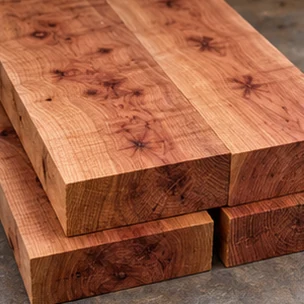
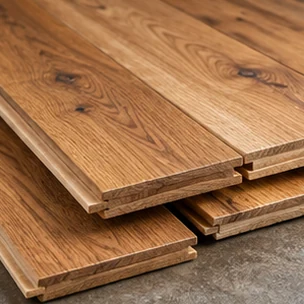
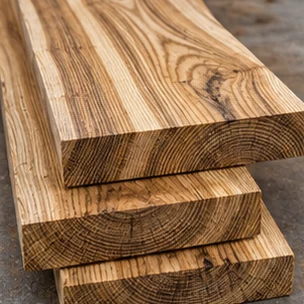
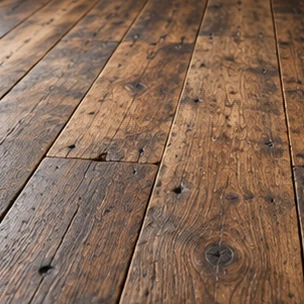
Cedar and cypress offer warm color ranges and distinct grain patterns that are attractive in both interior and exterior applications when appearance is controlled at purchase.
Wood, with a clear specification
Cedar & Cypress Boards: a category listing for specialty softwoods used in siding, trim, and interior accents—confirm species, surfacing, grade, and drying method with the supplier before specifying.
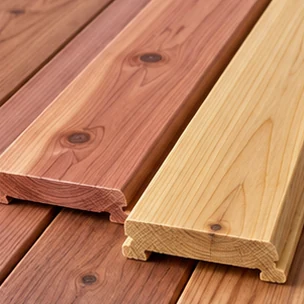
Cedar & Cypress Boards is a category product that groups a range of aromatic and decay-tolerant softwoods commonly used for exterior cladding, trim, and interior accents. The listing covers the board form rather than a single species—confirm the supplier’s botanical identification and lot characteristics before specifying.
Because appearance and working behavior can differ by species and mill lot, successful use depends on explicit purchase specifications: species, allowable knots and sapwood, surfacing, drying method, and acceptable lengths. These items determine installation technique, finish compatibility, and long-term performance.
Cedar and cypress offer warm color ranges and distinct grain patterns that are attractive in both interior and exterior applications when appearance is controlled at purchase.
Many cedar and cypress heartwoods show natural decay resistance, making them useful for exposed siding and exterior trim when the species and lot are suitable.
When properly surfaced and with sharp cutters, these boards are well suited to millwork, trim, and accent pieces—just confirm surfacing and run pre-production tests for glue and finish.
| Compare item | Cedar (typical) | Cypress (typical) |
|---|---|---|
| Appearance | Light to reddish tones; straight grain; aromatic | Yellow-brown to richer tones; sometimes interlocked grain |
| Exterior suitability | Many species offer good decay resistance; performance varies by species and lot | Often durable in exterior use; confirm heartwood and drying |
| Workability | Soft, machines cleanly; sands quickly; test adhesives | Firmer, can have tearout on interlocked grain; sharpen cutters |
| Movement & stability | Generally stable but varies with drying; acclimate to site | Good stability expected for many lots; confirm moisture condition |
| Common shop issues | Glue/finish tests recommended due to extractives; predrill near knots | Possible tearout; prefinish or back-prime for exterior jobs |
| Selection notes | Require photos/samples and limits on knotting and sapwood | Specify surfacing and acceptable grain direction to control tearout |
Do not assume interchangeability—confirm species, grade, surfacing, and moisture for the quoted lot.
General tendencies: cedar is usually softer and machines cleanly with less tearout on straight-grained boards; it sands fast and accepts stains and oils with a distinctive, aromatic result. Cypress is often firmer, can have an interlocked or irregular grain that may cause some tearout across the face, and can be slightly more resinous in some lots.
Shop decisions: use sharp cutters and take light finishing passes when planing or routing cypress to reduce blowout. When nailing or screwing near knots, pre-drill to avoid splitting on either species; when gluing, confirm the lot’s dryness and run a test joint—some cedars have natural extractives that reduce glue open time. Always acclimate boards to the shop or site environment and confirm moisture content for the project; the supplier will confirm lot condition and drying history on request.
Both cedars and cypress are commonly used in exposed exterior applications because many species have naturally decay-resistant heartwood. That said, resistance varies by species and by the particular lot. Specify finish systems and confirm whether the supplier’s lot has been kiln-dried, air-dried, or left green.
For long-term color stability and to reduce surface checking, install with proper flashing, ventilation, and end-sealing. If you plan to leave boards unfinished to silver naturally, note that weathering rates and acceptability of graying differ between cedar and cypress; for painted or stained exterior uses, prime or use compatible preservatives where required by the specification.
Appropriate uses for boards in this category include exterior cladding and siding, interior accent walls and ceilings, trim and millwork, and small furniture or cabinetry accents. Use for structural decking or heavy-load exterior decking should be evaluated by species, grade, and local code—don’t assume interchangeability with structural hardwoods.
Before writing cedar or cypress into drawings, confirm: exact species and source, surfacing and dimensional tolerances, grade/appearance allowance (knotting, sapwood limits), moisture condition and drying method, and the usable lengths and quantity measurement (board feet, lineal feet, or by piece). These details affect installation technique and finish performance.
When you get multiple quotes, compare the same parameters: species identity, board dimensions and surfacing, grade or appearance rules, lengths and the distribution of lengths, moisture documentation, quantity basis (board feet versus pieces), and freight terms. Ask for photos of the specific lot and, if possible, a sample piece shipped ahead for color and finish testing.
Common pitfalls include accepting a generic "cedar" label without species confirmation, assuming kiln-dried condition when the lot is air-dried, and neglecting to specify acceptable knots and checks for visible installations. Require the supplier to confirm the lot and quote details in writing before finalizing the order.
Use these boards for plank siding, rainscreens, and trim where a natural wood appearance is desired. Confirm the species’ decay resistance, acceptable knotting, and whether the lot was dried; specify finish and flashing details in the contract.
Boards are ideal for tongue-and-groove or plain-butt interior surfaces. For visible work, require a narrow color and knot range and ask for prefinished sample panels to verify stain and sealant behavior.
Select stable, well-surfaced boards with tight color control for door faces and exposed casework. Use a material-matching approach for panels and solid edges and test joinery and glue on the lot.
For benches, porch ceilings, or light exterior trim, choose lots with high heartwood content and documented drying. Specify the finish system and end-seal practices to extend service life.
Define species, dimensional sizes, surfacing, grade, acceptable knot and sapwood limits, quantity units (board feet or pieces), and required photos or sample pieces in the purchase order. Require written lot confirmation before cutting or shipping.
Confirm packaging and blocking to avoid bowed boards in transit. On receipt, inspect for obvious damage, check delivered lengths against the order, and record lot identification. If the order was specified by board feet, verify how the supplier measured lengths and widths.
Store flat, elevated from the ground, and protected from rain and direct sunlight. Keep the boards in the installation environment as long as possible to allow acclimation. For kiln-dried lots, avoid rapid wetting that can cause checks.
Salvaged timbers with historic patina offered as beams and architectural accents; verify lot identity, usable sizes, and any structural suitability before specifying.
Explore productSmall-diameter North Carolina mountain laurel sticks for turning, carving and decorative slices; sold by lot—confirm lengths, diameters and drying condition before ordering.
Explore productReclaimed Timber Frame Trusses are unique reclaimed trusses and large timbers salvaged from older buildings, offered for structural reuse or exposed architectural applications. Each lot varies widely in species, condition, joinery, and usable section—inspect samples and require documented condition and engineering review before specifying.
Explore productSpalted wood and burls are decorative specialty hardwoods prized for high-figure, zone lines and swirling grain; ideal for feature furniture, turning blanks, veneers and architectural accents when the lot, drying, and stabilization are confirmed.
Explore productFocused guides to the specification, application, and delivery questions behind this product.
A practical checklist for buying cypress (and cedar) boards for benches, porch ceilings and trim: insist on heartwood, confirm drying and moisture condition, end‑seal and prefinish, and specify corrosion‑resistant fasteners and assembly methods that allow movement.
Read this InsightCedar and cypress are usable for cabinet doors and exposed millwork if you select the right cuts, pretest glue and finishes, seal all faces and edges, and detail for movement; quartersawn material, matched flitches, and edge-banding/splines are practical ways to limit seasonal problems.
Read this InsightPractical guidance for choosing appearance grades, surfacing, prefinishing, layout and installation details when using cedar or cypress boards for interior accent walls and ceilings.
Read this InsightA practical guide for specifying cedar or cypress siding: start with a clear appearance and performance goal, then lock down species, heartwood and knot limits, drying and surfacing, finish strategy, and rainscreen and fastening details. Require supplier-supplied lot samples and measured moisture data, and attach finish and flashing details to the contract to avoid field surprises.
Read this InsightA practical, crew-ready checklist to inspect Cedar & Cypress Boards at delivery—packaging, counts, surface and end defects, lot ID and shipping cards, moisture checks, photos, and storage to avoid rework.
Read this InsightA practical, project-focused guide to choosing cedar or cypress: match the species and grade to your visual goals, exposure and finish plan; confirm heartwood percentage and grain orientation; and specify backing, fasteners and finish strategy to get lasting performance.
Read this InsightA tight purchase spec for cedar & cypress boards lists species identity, exact grade/appearance limits, surfacing and finished-size tolerances, drying method declaration, length distribution and pack details, pricing units, and a requirement for a sample or lot photos—plus an arrival inspection procedure so bids are directly comparable.
Read this InsightAsk the supplier for the exact species and heartwood percentage, drying history (kiln or air-dried), and whether the lot was graded for exterior use. Confirm acceptable knot size and the presence of any checks. Also specify the finish system and installation details (overhangs, flashing, ventilation) in your contract so the supplier and installer are aligned.
Both take common wood finishes, but extractives in some cedars and cypresses can affect glue and finish adhesion. Always test adhesives and finishes on a sample from the specific lot. For gluing, ensure clean, dry surfaces and allow proper open time; for finish, use compatible primers or sealers when needed and test stain color on sample pieces.
Include a tight appearance spec in your purchase order: name the species, allowed knot size and frequency, sapwood percentage, target color range, required surfacing, and acceptable lengths. Require the supplier to provide photos of the actual lot and to confirm the lot in writing before cutting or shipping.
Send your volume, destination, and key specifications. A broker can follow up with availability and commercial terms.