Short answer and when to choose bubinga
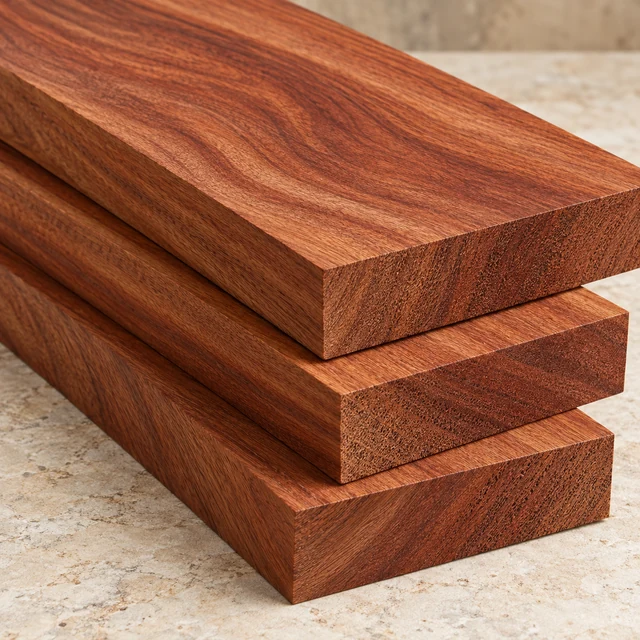
Yes — bubinga is an excellent choice for turned objects when you understand how its density and grain behavior affect cutting and finishing. It produces high-contrast, often dramatic pieces (pens, small boxes, handles, bowls, and lidded vessels) with a fine, glassy surface when cut and finished correctly. The trade name “bubinga” most commonly refers to Guibourtia species; confirm the supplier’s botanical identity for specification and handling notes.
How bubinga behaves on the lathe (what to expect)
Bubinga is dense and hard with frequently interlocked or irregular grain. That density gives clean, lustrous surfaces but also means the wood can blunt cutters quickly and is prone to tearing where the grain changes direction. Expect heavier cutting forces, slower feeds for detailed work, and a higher abrasion rate on tool edges.
Because of its density, bubinga holds crisp detail and polishes to a high sheen, which makes it attractive for small wares and decorative turning. However, the same density and grain irregularity are the reason to change technique compared with soft hardwoods: take light finishing cuts, keep tools sharp, and plan your cuts to follow the grain where possible.
Tool recommendations for turning bubinga
Carbide-tipped turning tools: Carbide cutters are forgiving in exotics and keep a cutting edge much longer than HSS. They are particularly useful for production runs (many pens, knobs, or dozens of small parts) and for roughing dense bowls where repeated sharpening interrupts workflow.
High-speed steel (HSS) tools: HSS bowl and spindle gouges produce very clean shear cuts when freshly sharpened. Expect to touch up or regrind more often than with domestic hardwoods. Use a high bevel and maintain a keen edge to reduce tearout on interlocked grain.
Skews and spindle gouges: A properly presented skew or spindle gouge can give exceptional results on spindles and delicate beads. If you’re comfortable with a skew, it will deliver the cleanest long-grain cuts on small-ware.
Scrapers: Use scrapers (or carbide negative-rake scrapers) only as a last resort for tearout. When used carefully they can remove tearout without producing chatter; burnishing scrapers and shear-scraping techniques frequently give superior surfaces on figure and interlocked grain.
Sharpening and edge geometry: Keep edges sharp. Slightly steeper bevels and lower clearing angles help avoid edge roll and tearout; test on a sacrificial scrap from the same blank before committing to the piece.
Blank preparation and mounting tips
Select blanks with the end use in mind: for pens and small spindles choose straight-grained pieces or quartersawn blanks where possible; for bowls and rounds accept more figure but expect to slow down on finish cuts around grain reversals.
Acclimate blanks to your shop environment before turning. Dense exotics can be slower to equalize; a moisture meter check on the lot is a sensible step. If a blank shows checks, voids, or pitch pockets, either stabilize the area with thin CA glue (cyanoacrylate) or orient your mounting so those defects won’t be stressed by the lathe.
Mounting: Use secure, true-running mounts. Because bubinga is heavy, ensure the work is well supported — a chuck with good grip, a properly sized drive center and steady rest where necessary. Spot-check runout before cutting detail so tools aren’t fighting an out-of-balance blank.
Avoiding tearout and improving surface quality
Plan your cuts to take the lightest cut possible at the finish stage: make a series of descending passes rather than one deep finish pass. On bowl lips and abrupt grain changes use shear cuts (presenting the flute of a gouge so the bevel slices the wood) rather than scraping.
When you encounter tearout, change the tool presentation or direction. For spindle work, reverse shear and traditional skew techniques can smooth areas that gouges or scrapers struggle with. On bowls, a slow, fine scraping cut with a sharp-edge scraper, followed by a light sanding, often removes tearout without chatter marks.
Use a slow, steady lathe speed for finish passes on small, detailed pieces to reduce burning and transient chatter that amplifies tearout on irregular grain.
Finishing turning blanks
Sanding: Because bubinga polishes up so well, sanding is the final step to a showroom surface. Use disciplined, increasingly fine grits and keep rotations steady. For small items, hand-sanding with the work stopped between grits prevents heat buildup and avoids melting any natural resins into the surface.
Sealers and finishes: Bubinga accepts oil, lacquer, shellac, and catalyzed finishes. If you plan to use dyes or stains, test first — some figured exotics can absorb unevenly. For small-ware where color depth and sheen matter, consider a thin sealing coat (shellac or a sanding sealer) before topcoats. For pens and small jewelry, CA finishes (thin and medium) are commonly used to build a very hard, glossy surface; apply sparingly and cure fully between coats.
Polishing: Because the wood itself responds to polishing, buffing with paste waxes, micro-crystalline wax, or a mechanical buffer will produce a high luster. Always remove sanding dust fully and wear appropriate respirators when buffing or polishing.
Shop practices and safety
Dense exotic dust is abrasive and can be irritating — use good dust collection, and wear a particulate respirator, especially while sanding and polishing. Maintain sharp tools and replace or resharpen cutters before they become dull, which increases heat, friction and the risk of burning or catches.
Because bubinga can blunt cutters quickly, keep a grinding and honing routine convenient to the lathe or have carbide tools ready as backups to maintain consistent cutting performance.
BEFORE YOU REQUESTYour sourcing checklist.
- Confirm the seller’s species name (bubinga is commonly Guibourtia spp.) and note any variation called bubinga in their catalog.
- Ask for blanks or boards that are well dried and acclimated; check moisture content on arrival.
- Select grain orientation appropriate to the intended use (quartersawn for long spindles, blanks with controlled figure for bowls).
- Inspect for checks, cracks, voids, and pitch pockets; request stabilization or allow for repair/stabilization in the shop plan.
- Order extra material to allow for test cuts and tool set-up — especially important with dense exotics that can consume edges.
- Specify whether the supplier will surface or square blanks; true faces and edges make mounting and layout faster.
Common questions.
Is bubinga harder to turn than domestic hardwoods?+
Yes — expect higher tool wear and the need for sharper edges and lighter finish cuts. The extra effort pays off in a very stable, high-luster finish and excellent detail retention.
Should I use carbide or HSS for bubinga?+
Both work. Carbide tools reduce downtime from sharpening and are excellent for production. HSS gives superb shear-cut surfaces when kept razor-sharp and is preferred by turners who like to hand-finish the cut edge geometry.
How do I handle small voids or checks in blanks?+
Stabilize small voids with thin CA glue or epoxy for structural support and finishability. For decorative repairs, consider inlaying contrasting material; always test adhesives and finish compatibility first.
What finish brings out bubinga’s color and figure?+
A clear film finish (lacquer, shellac, or catalyzed topcoat) or an oil finish followed by buffing will both produce excellent results. If using dyes or stains, test on scrap for absorption and color balance before finishing the final piece.