Thesis — when Canarywood makes sense for floors and stairs
Canarywood is chosen for interiors because of its warm golden tones and strong visual presence. It can work very well as a solid-plank floor or stair tread material, but it requires the same lot-level discipline and finish testing you’d use for any distinctive exotic: confirm the wood’s identity and appearance, control moisture and acclimation, test adhesives and finishes on the actual lot, and plan for long-run color variation.
This guide explains the practical checks a specifier, builder, or shop should run through before committing Canarywood to a floor or a flight of stairs. The objective is to avoid late surprises — boards out of tolerance, unexpected movement, glue or finish failures, or mismatched color months after installation.
Confirm identity, appearance and grade before you write the spec
‘Canarywood’ is a trade name used in lumber markets and can cover different botanical sources and lot appearances. Before you specify it for flooring or stair treads, require the supplier to confirm the botanical name used for that lot and to show full-size samples or a selection of boards from the actual shipment.
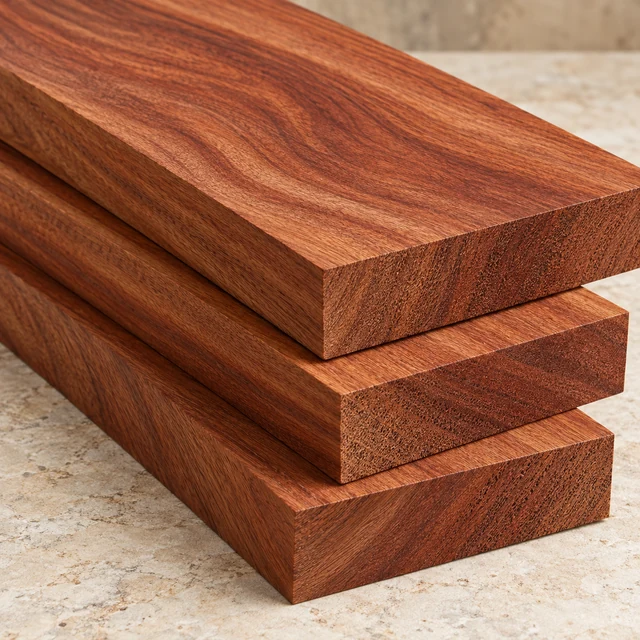
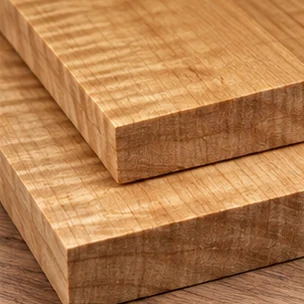
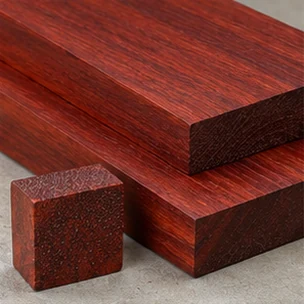
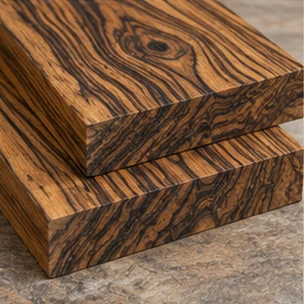
Decide up front how much color and grain variation you will accept. Canarywood boards can range from pale yellow to deeper honey-gold or reddish streaks; grain may be straight, wavy or interlocked. For long runs — corridors, continuous stair flights or adjacent floors — insist on lot matching and reserve stock for repairs. Specify plain-sawn or quarter-sawn if you need consistent figure or reduced cupping.
Moisture, acclimation and stability — how to avoid movement problems
Solid plank flooring and stair treads are sensitive to the in-place humidity and temperature. Specify a permitted in-service moisture condition (for example, a target moisture content range and the basis for it) and require that delivered boards have been acclimated or kiln-dried toward that target. The installer should check moisture with a calibrated meter at delivery and before installation.
Allow enough acclimation time on site: boards should be exposed to the project's temperature and relative humidity until readings stabilize and a representative sample is within the agreed tolerance. On the job, provide for expansion gaps at perimeters and transitions and use installation details (nailing patterns, glue and mechanical fastening strategies) compatible with the expected seasonal movement for solid hardwood.
Machining, fastening and finishing on the shop and jobsite
Canarywood can machine well, but mixed grain and occasional interlocked figure can increase the risk of tearout with planers and low-angle cutters. Use sharp tooling, lower cut depths, and consider a shear or high-angle cutterhead on wide-planing machines. Test profile work (nosings, bullnoses) on sample boards from the lot to confirm tooling angles and to establish sanding schedules.
For stair treads, specify thicker sections and securement that combines adhesive with mechanical fasteners or concealed fasteners designed for stairs. Pre-bore screw holes where appropriate, and test the adhesive system you plan to use on the lot — extractives in exotic woods can interfere with glue cure or penetration.
Finish choices matter: Canarywood can darken or shift slightly as it oxidizes. Always build a finish mock-up using the exact lot and intended coatings (stain, sealer, topcoat). Run the mock-up under the project’s light conditions and traffic expectations. For stair treads, specify a higher-build, wear-resistant finish system and define recoat/maintenance instructions in the owner’s documentation.
Long-run color matching and repairs — practical strategies
Because Canarywood’s color can vary across boards and change over time, control the visual outcome through procurement and job practices. Buy as much of the project’s material as possible from the same lot to start. Require the supplier to hold a reserve for repairs or future patching and label where in the project each board is installed if continuity matters.
If you expect phased installations or future additions, request extra boards from the same run and store them in stable, documented conditions. For on-going color management, create a finish standard (photographed mock-up with coating names and build) and include it in the close-out package so future repairs can be matched to finished appearance rather than raw wood color.
Specification language, acceptance criteria and receiving
Write lot-level acceptance criteria into the spec: include required moisture content or target range at delivery, maximum warp/cup/twist tolerances, allowable color variation, and the number of full-size samples or mock-ups required for finish approval. Ask suppliers for a sample panel finished with your chosen coating system before you sign off.
On delivery, inspect boards for machining damage, stickers or banding marks, drying check, and consistent thickness. Log meter readings and photograph board faces for your acceptance records. If you’re storing reserve boards for future repairs, keep them flat, off the floor, labeled and in an environment that matches the finished space as closely as possible.
Practical example and quick checklist
Example: For a 40-foot corridor with matched stair treads, specify: same-lot material for corridor and stairs, site acclimation until MC within agreed tolerance, full-size finish mock-up including stair nosing, adhesive and fastener tests on the lot, and a supplier-held reserve for future repairs. Insist on photographed acceptance and delivery meter logs.
If you want a compact list to hand to a client or installer, use the buying checklist below and link the project’s finish mock-up to the job close-out documentation.
BEFORE YOU REQUESTYour sourcing checklist.
- Confirm the supplier’s botanical name for the Canarywood lot and review full-size sample boards from that lot.
- Specify and verify target in‑service moisture content; require meter readings on delivery.
- Require a finished mock-up (floor + tread nosing) using the actual lot and selected coating system.
- Test adhesives, fasteners and machining (profiles, nosings, bullnose) on the lot.
- Order and secure reserve material from the same lot for repairs/patching; document storage conditions.
- Include lot-level acceptance criteria in the contract: tolerance, appearance, and finishing standard.
- Label boards and photograph deliveries; keep delivery and acclimation records with the project file.
Common questions.
Can Canarywood be used for stair treads in heavy-traffic areas?+
Yes — with the right detail. Use thicker treads or engineered sections with a substantial wear layer, combine adhesive with mechanical fastening, and specify a high-build, wear-resistant finish. Always run a wear and adhesion test on sample material from the lot before approving the system for the whole job.
How do I manage color variation between boards and over time?+
Require same-lot material for continuous areas, create and approve a finish mock-up made from the actual lot, and hold reserve boards for future repairs. Document the finished standard so repairs match the finished surface rather than the raw wood.
Do I need to use engineered flooring instead of solid Canarywood planks?+
Not necessarily. Solid Canarywood works well where thickness and stability are acceptable and where you can control on-site humidity. Choose engineered construction if you need greater dimensional stability over large subfloors or want to limit seasonal movement.
Any special machining notes for stair nosings and profiles?+
Test-cut nosings and profiles from the same lot; expect possible tearout with interlocked grain and plan for sharper cutters, lighter passes, or hand-scraping and sanding on critical edges.
What should I ask the supplier to include with a Canarywood order?+
Request the lot’s botanical identification, delivery moisture readings, representative sample boards or a finished mock-up, and a reserved quantity for future repairs. Specify acceptance criteria in writing.