Why detailing matters for cumaru cladding
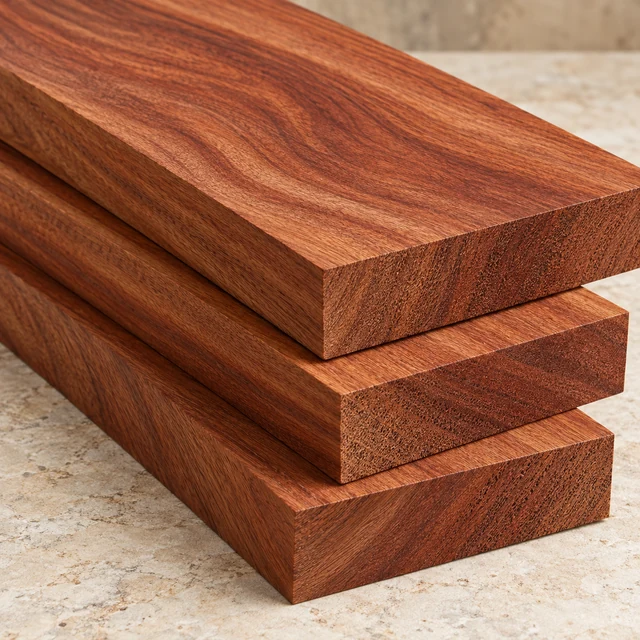
Cumaru is a very dense, durable tropical hardwood that performs well outdoors when installed with building‑grade detailing. Its natural durability helps resist decay and insect attack, but the board’s density and extractives (tannins) mean performance over time depends largely on how you manage water, movement, and metal compatibility at the wall plane.
This guide explains the construction details that preserve cumaru’s long life as cladding: how to build the rainscreen and drainage plane, where to flash, how to fasten and allow movement, what to expect as the wood weathers, and how to test finishes on the actual lot. For product options and typical lumber forms, see the cumaru-lumber product page.
Rainscreen and flashing fundamentals
Treat cumaru siding like any high‑performance exterior cladding: install it over a continuous weather‑resistive barrier (WRB) with a separate drainage and ventilation cavity behind the boards. The cavity breaks capillary continuity, lets incidental water drain, and promotes air flow that speeds drying.
Plan flashing at all vulnerable junctions: head flashings over window and door openings, a through‑wall, lapped sill flashing at the base, and kickout flashings where roofs meet cladding. Flashings should divert water to the outside of the rainscreen cavity, not into it. Integrate sealant only as a secondary measure—rely on mechanical flashing and the drainage plane for primary protection.
Venting and drainage: keep water moving
A continuous drained and ventilated cavity behind cumaru is essential. Create it with vertical battens or a proprietary rainscreen system so water that gets behind siding can run down to drainage points and air can circulate to dry the WRB and back of the boards.
Provide clear, planned drainage paths to the exterior at the base of walls and at window/door heads. Keep the bottom of the cladding clear of soil and deck surfaces; maintain designed clearances to grade and paving to limit wetting and wicking. Where the design creates enclosed cavities, include accessible inspection/drain points.
Fixing recommendations and allowance for movement
Use corrosion‑resistant fasteners and fittings; cumaru’s tannins and moisture cycles can stain or corrode ordinary metals. Stainless fasteners and clips designed for exterior exposure are standard. In coastal or very aggressive environments, choose the highest corrosion‑resistance available for fasteners and connectors.
Cumaru moves less than many softer species, but movement still occurs. Fastening strategies should accommodate seasonal shrinkage and swell: provide slotted holes where face‑screwing, allow headroom in concealed clip systems, and avoid rigid, fully doweled connections that restrain boards against natural movement. Pre‑drill where necessary — dense cumaru will split if screws are driven without a pilot hole, especially near board ends and edges.
For face‑screwed profiles, position screws in the heartwood where possible and keep fasteners back from the board edge enough to reduce splitting. When specifying clip‑on systems, confirm clip materials are compatible and allow the board to expand longitudinally.
Expected weathering, staining and maintenance
If left unfinished, cumaru will patina to a silver‑grey similar to other tropical hardwoods. The grey finish does not indicate rot; it is natural surface oxidation. Tannin bleed will occur on new installations and after wetting; it can stain adjacent light‑colored materials and concrete if not isolated through design and flashing.
Maintenance depends on aesthetic intent. If you want to retain the fresh warm tones, plan for an initial finish and periodic re‑applications of an exterior oil or transparent finish. If you accept the natural silvering, the cladding will require little other than periodic cleaning to remove surface deposits. Inspect for surface checking at exposed edges and ends; keep water shedding details tight to reduce the rate of checking.
Finishes and test mockups — always test on the lot
Do a finish mockup on boards from the actual shipment before committing to a system. Cumaru’s extractives affect the way finishes cure and adhere; some clear coatings may blush or show reduced penetration. Apply your chosen finish to a field sample, install it in the wall mockup, and observe for adhesion, color, tannin bleed, and weathering over several weeks in the project’s exposure conditions.
Mockups should include fasteners and flashing details so you can watch staining and water behavior at real junctions. Use the mockup to confirm cleaning protocols, re‑finish intervals, and any stain blocking or tannin‑reducing primers you may wish to specify.
BEFORE YOU REQUESTYour sourcing checklist.
- Confirm product form and profile (boards, shiplap, tongue‑and‑groove, or custom millwork) on the cumaru-lumber page
- Specify grade, thickness and end‑trim condition with the supplier
- Require kiln‑drying and state acceptable moisture content range in the spec if needed for shop work
- Plan for a field mockup with boards from the actual lot for finish and fastening tests
- Specify corrosion‑resistant fasteners and compatible clips in the procurement
- Document required clearances to grade, drainage openings, and flashing details in the contract
Common questions.
Do I have to oil cumaru to preserve its color?+
No — oiling preserves the fresh warm color but is a maintenance decision. Unfinished cumaru will grey naturally; plan maintenance cycles if you want the original color and test the chosen oil on the actual lot.
Which fasteners should I use with cumaru cladding?+
Use marine‑grade stainless or other high‑corrosion‑resistant fasteners and clips. Avoid ordinary carbon steel; cumaru’s extractives and outdoor exposure can accelerate staining and corrosion. Design for movement with slotted holes or floating clip systems.
How do I prevent tannin stains on lighter adjacent materials?+
Keep through‑wall and head flashings tight, provide drip edges and clearance from porous materials, and consider a staining barrier (e.g., non‑staining flashing termination or sacrificial trim) where light materials could be stained by runoff.
Can cumaru be painted?+
Cumaru can be finished with paint, but its density and extractives can affect adhesion. Perform adhesion and tannin‑bleed tests on the project lot first; primer systems designed to block extractives are often required.