Specialty wood products
Antique Reclaimed Beams
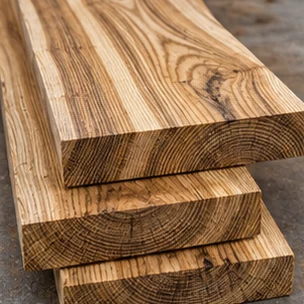
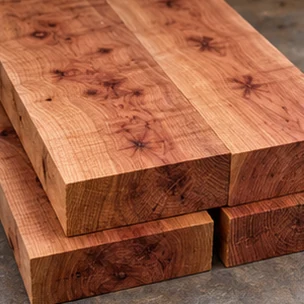
Salvaged timbers with historic patina offered as beams and architectural accents; verify lot identity, usable sizes, and any structural suitability before specifying.
Explore productBookmatched spalted veneer panels are a viable and dramatic choice for cabinetry when you specify the right flitches and slicing method, require controlled drying/flattening and stabilization, choose a stable substrate and pressing method, and approve the veneer sequence and finishes up front. Use the Spalted Wood & Burls page to lock down acceptable color range and veneer readiness before you order.
Yes—you can get bookmatched spalted veneer panels for cabinetry, but successful results depend on three things done up front: choose the right logs and slicing method; specify how the veneer will be dried, flattened and stabilized; and require a substrate and pressing method that preserves the face and keeps the panel flat through use. This guide walks through material selection for slicing, drying and flattening requirements, backing and substrate choices, and practical ways to coordinate color and grain across sets of doors, drawer fronts and panels.
Spalting is variable. Some spalting appears as delicate colored lines and zone lines in otherwise sound wood; other spalting is associated with advanced decay and soft, punky areas. For veneer you want pronounced color and figure but minimal punkiness in the areas that will be the face. Ask the supplier for flitches selected for veneer production rather than random slab stock.
When you request bookmatching, specify the slicing style you want. Bookmatching usually comes from plain-sliced (flat or crown) or half-round flitch cuts, not from rotary-peeled log-face cuts. Flat or crown slicing gives paired faces with mirrored grain that bookmatch predictably. Tell the supplier you want matched pairs cut so the veneer sequence can be laid out in order before pressing.
Require that the lot be inspected and pre-flagged for punky zones. Acceptable spalting color range and veneer readiness are described on the Spalted Wood & Burls product page; use that reference to confirm whether a supplied lot meets your visual and structural expectations before committing to slicing.
Veneer is often sliced green and then dried, but how it is dried matters for bookmatching. Uneven drying will create edge lift, cupping or dimensional differences between match pairs. Specify that veneers be dried and flattened under controlled conditions and that the supplier deliver the sequence flat and stickered or vacuum‑bagged so you can inspect the match before pressing.
Ask for veneer that has been inspected for residual softness. Where spalting has softened cells, require localized consolidation (stabilizing) or rejection of those pieces. Consolidation changes how the wood accepts finish and glue—so require the supplier to note any consolidant treatment so you can test adhesion and appearance.
If you plan to press at your shop, request veneer that will reliably lie flat after acclimation. If the supplier will cold- or hot-press panels for you, require vacuum pressing and a pressing cycle appropriate for the adhesive and substrate you will use; this reduces risk of seam gaps and inconsistent bonding.
A beautiful spalted face only stays beautiful when it’s bonded to a stable substrate. For cabinet doors and exposed panels most shops specify either multi-ply plywood cores, engineered joinery cores (cross-banded ply), or MDF/particle cores depending on end-use and hardware requirements. Plywood brings cross-grain stability; MDF gives a smooth substrate for crisp edges and inlays.
Specify core material in the contract: for kitchen and bath casework you’ll want a moisture‑stable plywood or an engineered panel rated for cabinetry; for painted interiors MDF is common but take care with edge treatment if you plan exposed veneer edges. Require that the veneer be bonded with an adhesive compatible with both the face (spalted veneer) and the chosen substrate, and require a vacuum or platen press cycle appropriate to that adhesive.
If doors will have thin edges or routed profiles, discuss edge-banding approaches in advance. You can request that suppliers deliver pre-veneered panels with matching edgeband ready for finishing, or deliver matched veneer sets for on-site pressing and edge work.
Spalted material rarely behaves like uniform plain-sawn walnut; color and line work vary across a flitch. For bookmatched sets, insist on receiving the full sequence (or photographs of it) so you can assign matched pairs to specific doors and drawers. Number the veneer leaves and lay them out under the lighting that the project will be seen in before approving final placement.
If you need a consistent look across many doors, plan for mixing: group panels from adjacent parts of the flitch to balance bold figure and calmer areas, or accept small changes and use consistent finish and undercoat to normalize tone. For high-visibility projects you can ask for color‑balanced sets—this may involve light pigment staining or selective finish toning, but make this a spec item so you’re not surprised by finish behavior on consolidated or stabilized areas.
Build a mockup or at minimum a set of door samples from the delivered sequence and confirm finishes and edge treatments before the full run. Order extra veneer leaves to allow for rejects from punky areas and to have spares for repairs.
Handle spalted veneer like any other decorative veneer but with extra care around thin, patterned lines and any visibly soft zones. When trimming bookmatched pairs, joint the edges carefully and trim pairs together so the seam aligns. Use sharp carbide blades and test glue-ups on sample pieces from the same sequence.
Prefinishing the veneered face (sealing and toning) before final assembly reduces the risk of finish bleed or uneven sheen once assembled. However, test your finish on a representative sample—consolidants and stabilization treatments can alter absorption and color. If the supplier has pre-consolidated areas, require a small sample for finish testing.
Finally, require quality photos and a sequence map from the supplier before shipping, and mark acceptance criteria in the purchase: acceptable spalting range, allowed soft areas, required veneer readiness and pressing method. For specifics about color range, figure and which lots are veneer-ready, refer directly to the Spalted Wood & Burls product page so the lot you choose matches your visual target.
Not if you select veneer-ready flitches and either avoid highly punky pieces or have those areas consolidated. Require the supplier to flag and, if needed, stabilize soft zones before slicing. Also require that the veneer be inspected flat and tested for handling prior to pressing.
You can get consistent sequencing only by specifying matched sets and approving the full veneer sequence before pressing. For large runs, expect natural variation—plan layouts so bold figure is distributed and request extra leaves to allow for matching and rejects.
Either is acceptable if you set clear specs. Supplier pressing is convenient and reduces risk, but if you prefer to control edge profiles or assembly workflow, request loose leaves delivered flat and sequence-mapped so you can press in your shop. Either way, require vacuum pressing or an appropriate press cycle and compatible adhesive.
Test finishes on representative samples, especially if faces were consolidated. Prefinishing reduces blotch and sheen variation; sealing before assembly is a common practice. Avoid aggressive solvents or penetrating treatments on unconsolidated punky areas unless they have been stabilized.
Focused guides to the specification, application, and delivery questions behind this product.
Concrete guidance for using spalted burl as decorative millwork accents: how to size and back pieces, reinforce and attach them, protect porous areas with appropriate finishing, and schedule delivery and installation to avoid surprises.
Read this InsightPractical, shop‑oriented guidance for turning spalted burl blanks safely: inspect for voids and punky grain, choose spot or full stabilization, rough and finish in controlled stages, and follow dust and chemical safety precautions.
Read this InsightPractical, shop-focused guidance for choosing spalted live-edge slabs for tabletops: evaluate flatness and the usable face, map and treat checks and voids, choose lamination or reinforcement strategies to control movement, and select finishes that protect the figure while matching the piece’s intended use.
Read this InsightA practical guide for choosing spalted lumber or burl wood based on visual priority, scale, stabilization needs, veneering strategies, and how to specify acceptance so the delivered lot matches your design intent.
Read this InsightThis guide explains how to pack spalted slabs and burls so fragile figure, bark and porous areas survive handling and freight: rigid crating and face protection for slabs, individual cushioning and possible stabilization for burls, clear labeling and a documented inspection routine, plus practical insurance and claims steps.
Read this InsightYou can’t predict exact counts from a spalted burl lot without face plans and photos. Use a measured usable‑area method, plan milling order to preserve a primary face, and put clear, measurable acceptance criteria into the quote — see the Spalted Wood & Burls product page for seller unit definitions.
Read this InsightSalvaged timbers with historic patina offered as beams and architectural accents; verify lot identity, usable sizes, and any structural suitability before specifying.
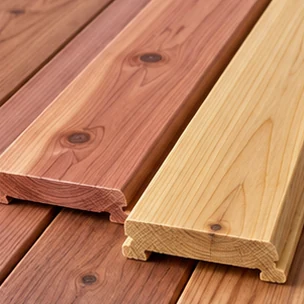
Explore productCedar & Cypress Boards: a category listing for specialty softwoods used in siding, trim, and interior accents—confirm species, surfacing, grade, and drying method with the supplier before specifying.
Explore productSmall-diameter North Carolina mountain laurel sticks for turning, carving and decorative slices; sold by lot—confirm lengths, diameters and drying condition before ordering.
Explore productReclaimed Timber Frame Trusses are unique reclaimed trusses and large timbers salvaged from older buildings, offered for structural reuse or exposed architectural applications. Each lot varies widely in species, condition, joinery, and usable section—inspect samples and require documented condition and engineering review before specifying.
Explore product