Thesis — choose grade by performance needs, not marketing names
When you ask “What grade of teak lumber should I specify for decking and cladding?” the right answer is: specify the functional attributes you need, then confirm how the supplier labels those attributes. Suppliers use different grade names; don’t rely on a label alone. For exterior decking and exposed cladding you’re buying durability, low movement, fastener-holding, and a consistent appearance across boards — specify those traits, not a trade name.
Decking-grade attributes to call out in a spec
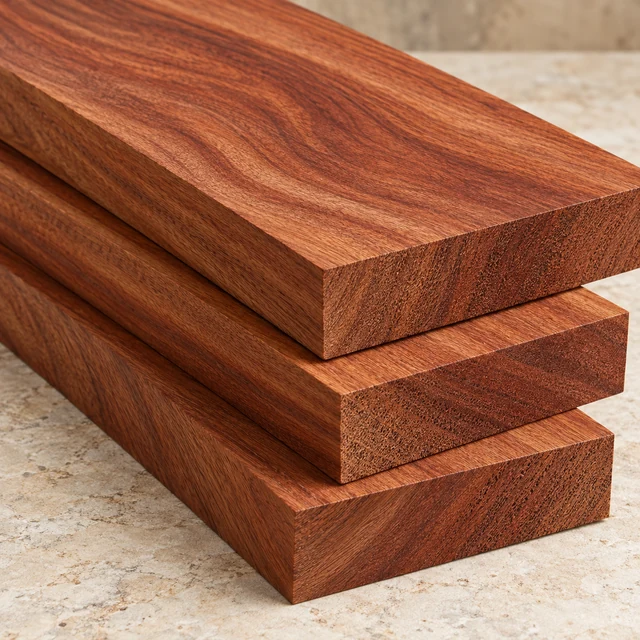
Give clear, measurable appearance and structural targets rather than vague grade names. For decking and exposed cladding, require: predominately heartwood with minimal or no sapwood; limited knots (set a maximum knot size and frequency if appearance matters); absence of large checks and loose bark; surface condition (S4S or planed-versus-rough as appropriate); and a statement on grain orientation (if you want more stability, request quartersawn or vertical-grain boards where available).
Also specify drying and moisture expectations: require kiln-dried or conditioned lumber to an equilibrium appropriate for your project environment and ask for the supplier’s moisture documentation and tolerance. Call out any lot‑matching or sequencing needs for a visible deck or façade so you receive boards with consistent color and figure across the project.
Fastening, substrate and detailing notes that change with grade
Teak’s natural oils and density affect how it takes fasteners and adhesives. For visible decking, specify stainless-steel fasteners (corrosion-resistant) and require pre‑drilling for through‑fasteners to avoid splitting near ends and edges. If using hidden‑clip systems, confirm the clip profile is compatible with the board thickness and that the supplier’s grade is flat and consistent enough to work with clips.
On substrate: call for a stable framing layout with properly spaced joists or treated sleepers and an allowance for ventilation beneath the deck or behind cladding. Fastener spacing, edge support and end‑support details should be specified in drawing notes — boards with more knots or greater width may need closer joist spacing to avoid bounce and cupping.
Acclimation, edge treatment and how grade affects movement
Demand acclimation staged at the jobsite or at least documented conditioning from the supplier. Boards straight from a tropical kiln can still move when exposed to a different climate; require stickered staging and flat storage before installation so pieces settle and you can check for warp or twist.
Specify edge and end treatment: on decking and cladding, order boards with factory-squared edges if you plan tight joints, or request eased edges and a small chamfer for walking comfort and to reduce splintering. Always require end grain sealing for cut ends—either factory-applied sealer or clear instruction that the contractor must seal cut ends immediately—to limit checking on site.
Finish and color preservation: realistic expectations
Teak naturally silvers if left unfinished; that patina is acceptable for many projects but if you need to preserve the golden-brown color, specify an exterior finish with UV inhibitors. Good approaches for decks and cladding include regular applications of a penetrating oil or sealer formulated for exterior woods that include UV blockers and mildew protection, or clear film finishes designed for exterior exposure. Insist on finish compatibility with the supplier’s oil content—some penetrating finishes cling better to pre-treated or factory-dried material.
Be explicit about maintenance in the specification: whether you want the color preserved with periodic oiling, a one‑time factory coating with field maintenance, or an allowance for natural weathering and scheduled brightening/cleaning. Leaving those choices vague leads to mismatched expectations between owner, contractor and supplier.
How to write the specification so bidders quote the same thing
Turn subjective terms into objective requirements: instead of “decking grade teak,” specify heartwood percentage, maximum sapwood exposure, maximum knot size and frequency, surface finish (S4S), allowable warp or cup tolerance at delivery, and that the supplier provide moisture documentation and lot‑matching notes. Require the supplier’s grade rules and moisture docs as part of the bid package so you compare apples to apples.
Also include installation tolerances: recommended gap sizes for seasonal movement, fastener type and spacing, end‑sealing requirements, and whether you expect hidden or face‑fastening. These details reduce change orders and field surprises.
BEFORE YOU REQUESTYour sourcing checklist.
- Request the supplier’s grade rules for the lot and confirm how they define the grade name being quoted.
- Ask for moisture documentation and conditioning method; require staged acclimation if needed.
- Specify heartwood/sapwood allowance, maximum knot size and frequency, and acceptable checks.
- Confirm surface finish (S4S, planed, or rough) and edge treatment (eased vs square).
- State fastening method and require compatibility confirmation (fastener type, hidden clip system, pre‑drilling).
- Decide in advance whether boards will be left to silver or require a factory/field finish with UV protection and list maintenance expectations.
- Request lot‑matching or sequencing for visual continuity across decking runs or cladding elevations.
Common questions.
Which teak grade is best for a high‑use deck?+
Specify the attributes you need: predominately heartwood (minimal sapwood), tight knot limits, and a stable grain orientation if possible. Require flat, S4S boards that the supplier has conditioned for your climate and provide moisture documentation. Don’t rely solely on a grade name—confirm what that grade includes with the supplier.
Can I leave teak to weather naturally or do I need to finish it?+
You can leave teak to silver naturally; it will gray over time. If you want to preserve the original golden color, specify an exterior finish with UV inhibitors and a maintenance schedule. Penetrating oils with UV blockers and exterior clear film finishes are common choices. Be explicit about who is responsible for initial treatment and ongoing maintenance.
What fastening method should I call out for teak decking?+
Require stainless-steel fasteners and pre‑drilling for face‑fastened boards; if you prefer hidden clips, specify compatible clip systems and confirm board thickness and flatness with the supplier. Also include joist spacing and edge support in the project drawings, since wider or knotty boards often need closer support.
How long should teak acclimate before installation?+
Acclimation time varies with climate and how the wood was dried; require either supplier conditioning documentation or jobsite staging until boards show stable moisture behavior. Practically, that means stickered storage, flat stacking, and a visual check for warp, cup and twist before fastening, rather than relying on a fixed number of days.
Should I order ends sealed or sealed on site?+
Specify end sealing in your contract: factory-applied end sealer is convenient and consistent, but if boards will be cut on site you must require immediate sealing of all newly cut ends. Unsealed end grain will check more readily once exposed to weather.