Thesis — pick the right slab for the job, not the other way around
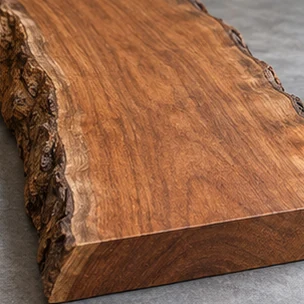
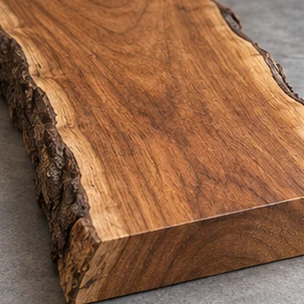
Timborana slabs make striking single-piece surfaces and focal millwork, but not every slab suits every use. Your first decision should be use-driven: are you making a dining table that will be stood next to, a kitchen countertop that must resist spill-and-scrub cycles, or a mantel that will be mounted and mostly decorative? Size, thickness, flatness and the slab’s defect pattern determine much of what follows: how much milling and repair you'll need, what structural supports are appropriate, and which finishing approach will hold up in the intended environment.
This guide walks through practical, shop-level choices — matching slab size to project, expected prep differences by application, finish decisions tied to use, structural and joinery approaches you can rely on, and how to budget for yield loss and repairs. See the product page applications for practical matchups and available slab photos and dimensions before you order.
1) Matching slab size and form to project type
Tables and large desks: look for slabs that give you the clean continuous grain and edge you want without extreme crown or deep cups. A single-piece dining table requires a slab long and wide enough for the top plus any planned overhangs and breadboard ends or end treatments. If a single slab doesn’t cover the whole top, plan seams and how you will match grain and color.
Countertops and bars: prioritize slabs with consistent thickness and flat faces; long, narrow slabs are easier to install across cabinet runs than very wide slabs that require heavy flattening. For kitchen use you’ll also want minimal open voids and few isolated cracks — they are repairable, but repairs increase cost and can affect sanitation and maintenance.
Mantels and wall pieces: you can often accept more surface character (knots, checks, sapwood) if the piece is primarily decorative and mounted. Thinner, flatter slabs with a finished back or a plan to trim for a square underside are common here because the mantel will be supported at a few anchor points rather than used as a load-bearing horizontal plane.
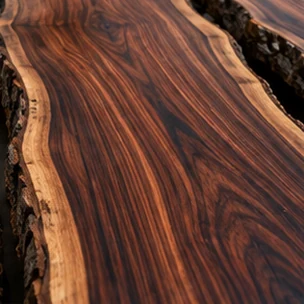
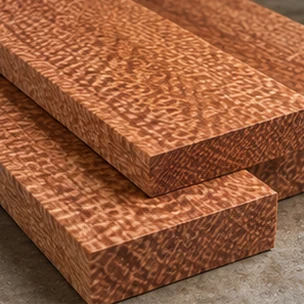
Custom millwork and feature elements: select slabs with the specific figure, color range, and board orientation you need. For bookmatched panels or veneers, request sequential slab photos or matching flats from the supplier so you can plan panel yields and bookmatching layouts.
2) Prep work differences: tables vs. mantels vs. countertops
Tables require the most care to get a reliably flat, comfortable surface. Expect to remove high spots and flatten the face; that means milling on a wide-belt or using a router sled if you have large slabs. Pay attention to camber along the length; a flattened face but cupped edges will still lead to trouble when mounted on a base. Joint and square the edges if you plan on adding breadboard ends or clean straight edges.
Countertops need a flat, consistent surface and often require surface stabilization of voids and checks. Small voids are commonly filled with clear or colored epoxy; larger openings sometimes get Dutchman patches if you want wood-to-wood repairs. Because countertops are subject to heavier surface wear and wetting, ensure any repair material and filler are compatible with your chosen finish.
Mantels and vertical display slabs usually need far less flattening if the visual front face is acceptable. Work here often focuses on trimming, sanding the display face, and preparing a mounting back (rebates, cleats, or steel-mounting brackets). If the underside will be visible, you may need to plane and dress it, but many mantel projects conceal the bottom against the wall.
3) Finish choices by application — protect what matters
Tables: choose finishes that resist abrasion and chemical spills while keeping the look you want. Hard film finishes provide durable protection for horizontal furniture; oil-and-wax systems are easier to renew in the field but offer less abrasion resistance. Consider the expected maintenance and whether you want a fully repairable finish (traditional oil/varnish) or a tougher factory-style film finish.
Countertops: finishes need to handle water, food contact, heat and aggressive cleaners. Where durability and low-maintenance are the priority, high-build clear coatings or a resin surface are common. If you want a natural oiled surface, expect periodic re-oiling and include written maintenance instructions for owners. For bar tops and island counters, topcoats should be compatible with epoxy or other resin repairs.
Mantels and vertical millwork: UV stability and color preservation are the main concerns. A penetrating oil can emphasize figure without creating a glossy surface, while a clear film finish will offer better protection where the mantel sits above a heat source or is frequently handled. Match sheen and color to surrounding trim to avoid a visual mismatch.
4) Structural supports and joinery recommendations
Allow for wood movement in every structural detail. Slabs expand and contract across the width and along the flatsawn face; fastenings that restrict this movement will produce stresses that lead to splits or loose hardware. Use floating fasteners, elongated slots, or captive clips where slab meets base or casework so the slab can shift seasonally.
Table joinery: for single slabs, a simple apron with hidden fasteners or a steel table base gives rigid support without over-constraining the top. If you plan breadboard ends, use floating tenons or elongated holes for the pegs; breadboards control end twist but must be detailed to move with seasonal changes.
Countertops: support the slab over continuous substrate or a plywood deck when appropriate. Map out where heavy loads (sinks, stovetops) will sit and add localized blocking or brackets. For cutouts (sinks, cooktops), reinforce edges with fasteners and consider laminate or splines where corners are vulnerable.
Mantels: use dedicated mounting hardware sized to the slab weight and wall construction. Concealed steel brackets engaging into studs or a ledger box are common. When through-bolting to a backing plate, allow the slab to rest on the support rather than rely solely on fasteners to carry the load.
5) Budgeting for yield loss and repairs — plan realistically
Slabs are irregular material: knots, checks, bark inclusions and core separation are common. When estimating material needs, budget extra slab area for trimmings, flattening removal, and patching. A slab that looks wide and flat on arrival may yield less finished usable width after flattening and edge-cleaning.
Repair costs: sealing checks, filling voids with epoxy, or performing Dutchman repairs all add time and materials. If you plan a high-stress application (heavy daily use, food prep), factor in either more costly stabilization up front or ongoing maintenance costs. For bookmatching or visible-panel work, request sequential slabs and expect some color variation between lots — that can drive additional finishing or selective cutting to blend panels.
Order checklist: before you commit to a slab lot, request clear photos of both faces and the ends, confirmed thickness, documented moisture content and the slab’s drying history, and any notes on major checks or core issues. If you require a certain face-to-edge appearance or bookmatched pairs, lock that in with the supplier — it materially affects price and yield.
BEFORE YOU REQUESTYour sourcing checklist.
- Photos of both slab faces, both ends, and edges at full length
- Confirmed finished thickness and nominal thickness before flattening
- Documented moisture content and drying method for the lot
- Notes on major checks, splits, voids, and included bark or sapwood
- Sequential pieces or bookmatched pairs identified when needed
- Flatness crown/camber info and whether the slab has been stickered or flattened
- Agreement on acceptable repairs (epoxy fills, Dutchman patches) and color-matching expectations
Common questions.
Can I use a single Timborana slab for a dining table?+
Yes, if the slab is long and wide enough with an acceptable face and manageable crown. Verify flatness and thickness up front — large crowns require significant milling to flatten. Also plan support (apron or steel base) and details for seasonal movement so you don’t over-constrain the top.
How much milling and flattening should I expect?+
It depends on the slab’s crown, camber and thickness. Expect to remove high spots, true the face, and dress edges; for larger crowns a wide-belt or router-sled is often required. Ask the supplier for crown measurements or photos so you can estimate machining time.
What is the best finish for a Timborana countertop?+
For countertops prioritize durable, water-resistant finishes. High-build clear coatings or resin surfacing provide the least maintenance; natural oil finishes look great but require ongoing reapplication. Choose food-safe products where direct food contact is expected and plan for how repairs will be handled if the surface is damaged.
How should I mount a heavy mantel slab to a wall?+
Use dedicated concealed steel brackets or a ledger system anchored into structural backing. Design the support so the slab bears on the bracket rather than relying entirely on screws in wood. Allow for some movement and do not rigidly fix the slab along its length.
Can slabs be bookmatched or used for matched panels?+
Yes—when the supplier can provide sequential slabs cut from the same flitch. Bookmatching requires coordinating purchases so the matching pieces come from the same lot; request sequential photos and mark the pieces at purchase to preserve match order during transport and storage.