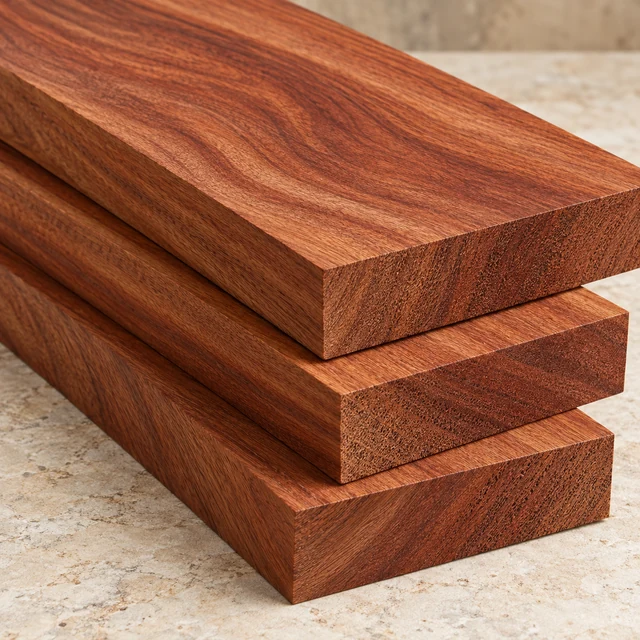
Warm, walnut‑like appearance
Delivers brown tones and a classic look without always carrying the cost or supply constraints of domestic black walnut.
Wood, with a clear specification
Peruvian Walnut lumber is an exotic hardwood trade name covering several South American woods with warm brown tones and variable grain; confirm species and lot for appearance and drying before specifying.
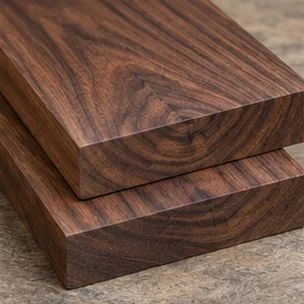
Peruvian Walnut is a commercial name for one or more South American hardwoods that display walnut‑like color and grain. Because the label covers different species in trade, appearance and shop behavior vary by lot — buyers should confirm species or request a sample before committing to large runs.
In shop use, boards marketed as Peruvian Walnut typically plane and sand to a pleasing finish, accept oils and clear coats, and glue and fasten without unusual difficulty. For visible work where color matching is critical, demand lot‑specific photos and agree on an appearance tolerance in writing.
Delivers brown tones and a classic look without always carrying the cost or supply constraints of domestic black walnut.
Typically machines, sands, and finishes well—suitable for furniture, cabinetry, and architectural trim when lot consistency is acceptable.
Works as faces, tops, and panels where a stable, attractive hardwood is needed — but verify color consistency for large runs.
| What to check on the quote | Typical range or note | Why it matters |
|---|---|---|
| Appearance & color range | Light brown to deep chocolate; lot variation | Affects match across panels and final finish tone |
| Grain & figure | Straight to wavy, occasional streaks or figure | Determines tearout risk and how boards plane |
| Surface condition | S4S, surfaced one side, or rough (confirm) | Influences preparation time and usable width |
| Usable lengths & widths | Varies by lot | Controls yield and layout for tabletops or long runs |
| Moisture documentation | Request MC or kiln details if available | Prevents movement and helps schedule acclimation |
| Common defects | Sapwood, knots, streaks, occasional spalting | Define allowable defects to meet appearance needs |
| Ordering basis | Confirm board feet, pieces, or bundle count | Ensures apples‑to‑apples price comparisons |
| Species identity | May cover multiple botanical species | Different species change durability and movement expectations |
Do not assume consistent color or exact species from the trade name; require lot photos or samples for visible work.
General shop experience with woods sold as Peruvian Walnut is similar to other medium‑density hardwoods: they typically machine cleanly with sharp cutters, plane to a smooth surface, and accept most stains and oil finishes well. Use sharp, straight tools to reduce the risk of tearout where grain changes direction.
Gluing and fastening are normally straightforward. Pre‑drill for close edge or end‑grain screwwork and use a good adhesive for high‑stress joints. As with any exotic hardwood, allow full acclimation to your shop environment and confirm moisture content with the supplier before cutting; movement in service depends on the species and how well it was dried.
Peruvian Walnut lumber fits furniture, cabinet faces, architectural millwork, and decorative solid wood elements that need warm brown tones without the price or availability constraints of North American black walnut. It can also work for table tops, interior stair parts, and accent panels.
Before specifying for wide, continuous surfaces (floors, long tabletops, continuous veneer runs) confirm lot consistency. For exterior use or heavy exterior exposure, verify the species’ durability rating and suitability — the trade name alone doesn’t guarantee exterior performance.
Compare supplier quotes by the actual boards on offer: usable widths and lengths, grade or appearance rules, surface condition (S4S, surfaced on one side, or rough), and how defects are counted. Ask for a sample board from the quoted lot if color match is critical.
Also confirm the drying documentation (moisture content or kiln schedule if available), shipping terms, minimum order quantity and how the supplier measures quantity (board feet, linear feet, or pieces). The supplier should confirm the exact lot, quote, payment, and freight terms prior to order acceptance.
Clear finishes, oils, and lacquers bring out the depth of brown tones. Because color can shift slightly as the wood oxidizes, test your chosen finish on a sample from the shipment. Pigmented stains and dyes can help match multiple lots, but the underlying color and grain will still influence the final tone.
For high‑use items, use a durable topcoat and consider regular maintenance schedules. Avoid exposing interior Peruvian Walnut to prolonged direct sunlight or excessive humidity swings to minimize color change and movement.
Use for cabinet carcasses, face frames, drawer fronts and solid furniture parts where warm brown tones are desired. For large runs specify appearance tolerance and request matched boards or panel pilings.
Good for interior trim, door surrounds, and visible mouldings. Confirm surface finish and grade so mouldings can be profiled cleanly without tearout.
Works for tops and solid components when you select boards for grain continuity and stability. Check usable lengths and glue‑up layout to minimize visible seam mismatch.
Can be used indoors for floors and treads where a warm hardwood look is required, but confirm species durability and lot consistency for long runs.
Suites well to thin slicing into veneer or using selected boards for inlay and decorative panels; match color and figure across slices.
Include species or trade name plus explicit lot or sample reference, grade, surface condition, exact quantity unit, and any acceptance criteria in the purchase order so the supplier can confirm availability and pricing.
Expect bundled packs. Inspect on receipt for correct species/lot, visible defects, and transport damage. If moisture content is critical, measure MC on arrival and document any discrepancies with the supplier.
Store flat with stickers in a dry, ventilated space and avoid rapid humidity swings. Allow boards to acclimate to your shop environment before final machining or glue‑ups.
African Mahogany lumber is a trade-name grouping of West and Central African hardwoods prized for warm reddish-brown color and good finishability; confirm species, drying, and lot consistency when specifying for furniture, millwork, or wide tops.
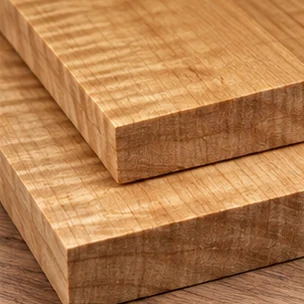
Explore productAnigre lumber is an African hardwood trade name prized for warm, even faces used in furniture, veneer, and interior millwork. Appearance and working traits vary by species and lot—confirm identity, photos, and drying details before you specify.
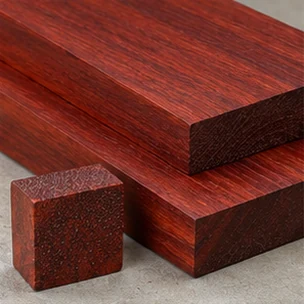
Explore productBloodwood lumber is a trade-name group of deep-red tropical hardwoods used for decorative interior work, turning, and selective high-wear surfaces. Confirm species, grade, and lot details before specifying or machining.
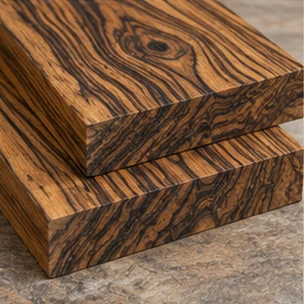
Explore productBocote lumber is an exotic, high-figure hardwood prized for dramatic veneers, accents, and small-work pieces—confirm species, lot, and surface condition before specifying.
Explore productFocused guides to the specification, application, and delivery questions behind this product.
Practical guidance for when and how to use Peruvian Walnut as veneer for inlay, banding, and panels — focusing on flitch selection, slicing choices, color matching, and finish testing.
Read this InsightPeruvian Walnut can make attractive, durable interior floors and stair treads when you plan for lot consistency, choose the right product form (solid vs engineered), protect high-wear areas with an appropriate finish or nosing detail, and acclimate lumber to site conditions prior to installation.
Read this InsightA practical workflow for Peruvian Walnut tabletops: buy matched boards, mill reference faces first, arrange glue‑ups to balance movement and appearance, fasten tops with floating attachments, and run finish tests from the same lot before committing.
Read this InsightA practical specification guide for Peruvian Walnut millwork trim: what to require for surface prep, routing, tearout prevention, matching across profiles, and installation to ensure consistent, durable trim runs.
Read this InsightA practical guide to specifying and laying out Peruvian Walnut for furniture and casework: choose and reserve flitch‑matched boards for faces, run finish samples from the actual lot, plan glue‑ups and panel strategy to control movement, and compute yield from a detailed cutlist with a contingency for rejects.
Read this InsightPeruvian Walnut is a strong visual choice for cabinets, tabletops, and feature trim—use it where its walnut-like tones and figure are front-and-center. For long runs or very even fields, insist on matched lots or veneer-faced panels; harmonize color with dyes/toners and barrier sealers; and test glue/finish adhesion. For absolute uniformity, consider veneer or a domestic walnut alternative.
Read this InsightStep-by-step logistics for receiving, documenting, measuring and acclimating Peruvian Walnut so your lot arrives in agreed condition and is stable for glue-up and finish.
Read this InsightA practical RFQ checklist for Peruvian Walnut: require confirmed botanical identity and lot, explicit appearance rules (sapwood, knots, streaks), surface condition, usable lengths and yield notes, moisture documentation and acclimation, plus a physical sample and board-matching plan.
Read this InsightNo. "Peruvian Walnut" is a commercial name and is not the same as North American black walnut (Juglans nigra). Appearance and working properties may be similar in some lots, but the botanical identity can differ. Confirm species and lot details with the supplier before specifying or finishing.
Ask the supplier whether the quoted boards are surfaced (S4S), surfaced on one face, or rough. Specify grade or appearance rules for face grain, permissible sapwood, and allowable knots or streaks. If you need matching across doors or panels, insist on photos or sample boards from the exact lot.
Define the order precisely (species/lot, grade, surface, quantity) on the purchase order. On arrival, inspect bundles for correct lumber and visible defects, check for transport damage, and verify moisture content where required. The supplier will confirm the actual lot, quote, payment, and freight terms before finalizing the sale.
Send your volume, destination, and key specifications. A broker can follow up with availability and commercial terms.