Short answer and design thesis
Yes—beechnuts aside—beech lumber is a practical, attractive choice for interior flooring and stair components when specified to match traffic, finish, and site conditions. It’s a domestic hardwood with a close, even grain that machines and sands predictably. Those qualities make it straightforward to mill into plank flooring, stair treads, nosings, and risers, but there are tradeoffs: beech is not the hardest domestic species and it will show wear and color change differently than oak or maple. The decision comes down to selecting the right product form and wear grade, choosing finishes that suit beech’s surface characteristics, and managing moisture and acclimation before installation.
Choose the right product form and wear-grade for the traffic
Start with product form: for most interior flooring and stairs you’ll choose between solid plank, thick solid treads, or engineered flooring with a hardwood wear layer. For heavy-traffic stairs and public interiors, prioritize a thicker wear surface—solid treads or engineered boards with a substantial top layer—so the surface can accept future sanding or refurbishment.
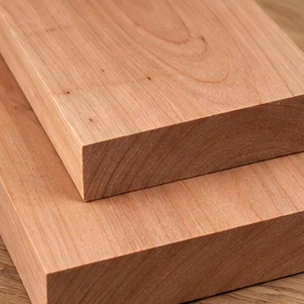
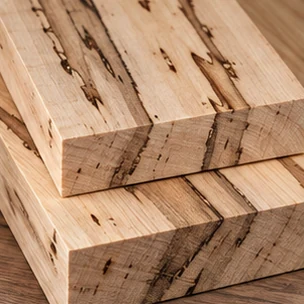
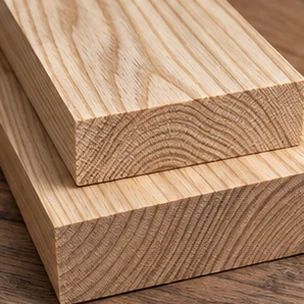
Match appearance-grade to use. For clear, tight-grain beech floors and open treads, specify select or clear grades to minimize knots and sapwood contrasts. For a character look, choose a mixed or character grade and expect more color and figure variation under finish. Always confirm the mill’s grading standard and ask to inspect a sample board from the actual lot when appearance matters.
When comparing beech to other species, be realistic about wear. If a project expects heavy abrasion from grit (retail, mudrooms, high-traffic stairs), specify a hard-wearing finish system and a product form with a thicker wear layer; for residential living spaces and staircases with typical use, beech is often entirely acceptable and can age attractively.
Finishing: what works and what to avoid
Beech takes finishes cleanly when properly prepared, but it can blotch with some penetrating stains. If a consistent stained tone is required, plan for a sealer or stain conditioner and test on boards from the same lot. Waterborne topcoats are popular for flooring; they produce a durable surface but can highlight the species’ subtle color differences. Oil and wax finishes deepen tone and bring out the grain, but they offer different levels of abrasion resistance.
On stairs, choose a finish specifically rated for floors and stair treads. Matte or satin surface sheens can help hide scuffs; high-gloss finishes exaggerate scratches. For painted risers or painted treads, specify appropriate primers and high-adhesion paints—beech’s close grain accepts paint smoothly, but surface sanding and proper sealing remain essential.
If you plan on dyeing or achieving a specific historic tone, test samples and remember that clear finishes will show natural lightening or darkening of beech over time. Order extra material from the same lot for repairs and future touch-ups so the finish and color match as the wood ages.
Movement, moisture tolerance, and design detailing
Beech moves with humidity like any hardwood. Joints, plank widths, and installation detailing should account for seasonal dimensional change. In solid plank floors, narrower widths or engineered constructions reduce the visible effects of movement; on stairs, careful layout of treads, nosings, and risers limits gaps and squeaks.
Specify installation details that accommodate movement: floating engineered floors with appropriate perimeter gaps, secret nail or glue-down patterns suited to the substrate, and flexible caulks at trim edges. On stair assemblies, glue and mechanical fastening strategies should allow the riser and tread assembly to settle without transferring stress to adjacent trim.
Always confirm the moisture condition of both the subfloor and the delivered hardwood. If subfloor moisture is elevated, correct that first. Never install hardwood flooring over substrates that are damp or fluctuating in moisture content.
Site acclimation and acceptance routine
Acclimation matters. Receive flooring into the conditioned space where it will be installed, keep HVAC operating, and allow the material to come to equilibrium with the indoor environment before installation. For boxed engineered flooring, keep bundles closed until they’ve acclimated; for loose solid boards, sticker and stack them flat to allow air movement through the pack.
Use a practical acceptance routine: inspect for milling defects, cupping, splits, excessive end-checks, or obvious discoloration; check a handful of boards to make sure the color and grain meet your appearance standard; and confirm that the material’s moisture condition aligns with the job’s prevailing indoor conditions. If anything looks atypical, hold the shipment aside and resolve with the supplier before proceeding. Document lot numbers and keep extra boards from the same shipment for future repairs.
Specifying, ordering, and installation tips for buyers
When you specify beech for floors and stairs, be explicit in the spec: product form (solid or engineered), wear-layer thickness (for engineered), appearance grade, board widths, finish system, and acceptance tolerance for moisture and milling. Ask the supplier for a sample or sample box from the production lot before final acceptance.
Order a waste allowance adequate for layout complexity—stairs, irregular plans, and diagonal patterns increase yield loss. Reserve extra boards from the same lot for replacement pieces and future maintenance.
On-site, store all beech material flat in a conditioned space away from direct sunlight and heating sources until you are ready to install. For stair installations, prefinish or at least pre-seal the undersides of treads where applicable to reduce differential moisture absorption after installation.
BEFORE YOU REQUESTYour sourcing checklist.
- Specify product form: solid plank, thick solid treads, or engineered with specified wear layer.
- Define appearance grade (select/clear vs character) and request a sample from the production lot.
- Confirm finish system compatibility with beech and conduct finish tests on lot samples.
- Require supplier documentation of current moisture condition and note lot number on delivery.
- Order extra material from the same lot for future repairs and color matching.
- Plan acclimation in the conditioned installation space and confirm subfloor dryness before installation.
Common questions.
Is engineered beech flooring preferable to solid for stairs?+
Engineered beech with a robust wear layer is often preferable when you want dimensional stability and a thinner profile over substrates prone to movement. For heavy commercial stairs or where sanding cycles are anticipated, choose a product with a thicker top layer or go with solid treads sized for later refinishing.
Will beech darken or change color under finish?+
Yes. Like many hardwoods, beech will change tone as finishes are applied and as it ages. Test finish samples from the actual lot and keep extra boards for repairs because boards from different lots can vary in tone and figure.
How long should beech flooring acclimate on site?+
Allow the material to stabilize in the conditioned installation space; timing depends on delivery condition and season. Keep bundles closed or solid boards stickered and stacked, and proceed with installation only after the material shows no further dimensional change and the subfloor moisture is within acceptable range for your installation method.
Can I paint beech stair risers?+
Yes. Beech sands and accepts paint well thanks to its fine grain, but prepare the surface properly with primer and sealer to avoid tannin bleed and to ensure long-term adhesion.