Specialty wood products
Antique Reclaimed Beams
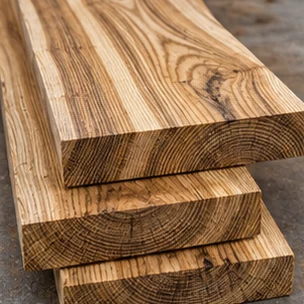
Salvaged timbers with historic patina offered as beams and architectural accents; verify lot identity, usable sizes, and any structural suitability before specifying.
Explore productClear, unambiguous purchase-order language — naming net dimensions after surfacing, the surfacing condition, which face must be preserved, and usable-length or end-trim allowances — prevents costly surprises when timbers arrive.
Buyers and mills use different shorthand for timber sizes. If your contract uses only nominal dimensions or vague phrases like “8x8” or “5-1/2" finished,” you risk receiving timbers that require extra milling, or worse, lack the clear face or length you counted on for exposed work. Specify the net dimensions and surface condition you need up front to avoid rework, schedule delays, and wastage.
This guide explains the practical difference between nominal and net dimensions, the common surfacing options you can ask for, how to record usable lengths and milling allowances on an order, and gives sample wording you can paste into a timber quote or purchase order.
Nominal dimensions are shorthand names or rough-sawn references used in ordering; they don’t promise a finished, usable face. Net dimensions are the finished, usable measurements after any surfacing or milling the supplier will perform — the actual width, thickness, and length you can rely on when laying out joinery or fitting exposed members.
Always state whether the dimensions in your order are nominal (pre-milling) or net (after surfacing). If you want usable faces, ask explicitly for net dimensions “after surfacing to specified condition,” and give the surface condition required (see next section). Use plain phrases like “net width x net thickness x usable length after surfacing” so there’s no ambiguity.
Rough-sawn: straight from the sawmill with sawn faces and edges. Rough timber preserves the largest possible cross-section but requires planing or milling to produce flat, clean faces. Order rough when you need maximum section or plan to machine full faces yourself.
S2S (surfaced two sides): usually planed on the two wide faces. This flattens and smooths the faces but leaves edges rough. Good when width stability and a flat face are priorities but you will rip or plane edges later.
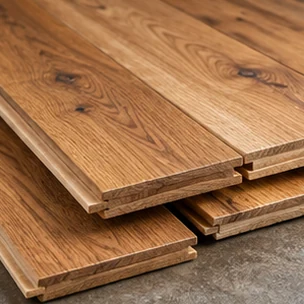
S4S (surfaced four sides / planed all around): faces and edges are machined to final, uniform dimensions and square edges. S4S timbers give you predictable net width and thickness and are the safest choice when you need finished faces and edges for exposed work or tight joinery.
Special surfacing: surfaced one face and one edge (S1F/S1E) or custom milling (e.g., chamfers, rounded edges, or matching a specific exposed face). If you require a particular face to be clear of knots or to preserve figured grain for an exposed elevation, state which face must be preserved as the “exposed face” in the order.
Timbers frequently need trimming at the mill or jobsite to remove checks, other defects, or to square ends. Don’t rely on nominal lengths alone. Define “usable length” in your order — the portion of the board free of defects and suitable for installation.
There are two practical ways to handle end trimming in a purchase order: specify a minimum usable length (e.g., “minimum usable length: [X ft/in] after end trimming”) or specify per-end mill allowances (e.g., “allow up to [Y in] trimming per end to remove defects”). Use bracketed placeholders for exact values so the supplier supplies the lot you expect.
Also state whether the supplier will mill the ends and whether the provided usable lengths are guaranteed at the time of delivery. If you accept that end-trimming may reduce the delivered length, plan the layout and yield calculations accordingly before approving a lot.
Below are template clauses to drop into a timber quote or PO. Replace bracketed items with your project specifics and coordinate any tolerances with the supplier before signing:
1) Identification: Species: [species]; Grade/appearance: [grade]; Lot or tag reference: [supplier lot #].
2) Net dimensions and surfacing: Supply timbers net [width] x [thickness] x [usable length] after surfacing. Surfacing condition: [Rough-sawn / S2S / S4S / custom — describe]. Net dimensions are required on the surfaced faces; no additional face or edge milling is permitted without prior approval.
3) Exposed face requirement: One face must be preserved for exposed finish (Exposed Face = [indicate face orientation or grain preference]). Exposed face must be free of large knots, splits and excessive sapwood as per attached gallery/notes.
4) End trimming / usable length: Minimum usable length after mill trimming: [usable length]. Alternatively: allow up to [trim allowance] per end to remove defects. If delivered usable length falls below minimum, supplier to notify buyer and provide options (substitution, partial credit, or re-mill).
5) Acceptance and tolerances: Timbers to be shipped with surfacing and net dimensions as specified. Buyer reserves right to measure and reject non-conforming pieces at delivery. Any agreed tolerances should be written in here: [tolerance statement].
6) Moisture / acclimation and delivery notes: Moisture condition or acclimation requirements: [state if required]. Delivery and inspection instructions: [staging, lift points, appointment, and inspection protocol].
On receipt, measure the surfaced faces to confirm the net width and thickness promised. Verify the usable length by marking from the exposed face and checking for end checks or bark inclusions that will force extra trimming.
If an exposed face was specified, confirm that the same face is preserved across the pieces you plan to use together. For joinery: allow a little extra material for final fitting rather than expecting perfect, finished dimensions off the truck.
When a lot is marginal, get written agreement from the supplier on options (substitution, partial credit, or remill) before accepting the shipment. And always cross-check the lot details against the Wood Timbers product page and the supplier’s lot tags to confirm surfacing and lot appearance before installation.
Specify net dimensions after surfacing and name the surfacing condition (for example, S4S). Include a clause naming which face must be preserved as the exposed face. Don’t rely on nominal sizing alone — say “net X × Y after surfacing to S4S” or similar in the quote.
Either require a minimum usable length after trimming or specify the maximum trimming allowance per end. Make clear whether the supplier will perform the trimming or if it will be done on site, and what recourse you have if delivered usable lengths fall short.
Order rough if you need maximum section or plan to do your own milling; order surfaced (S2S or S4S) when you need predictable finished faces and edges for exposed work or tight joinery. Consider the tradeoff between upfront milling cost and shop time.
Match the supplier lot details and tags to the Wood Timbers product page and request photos or a sample board surfaced exactly as specified. Put surfacing, net dimensions, and exposed-face requirements in writing in the quote and on the PO.
Focused guides to the specification, application, and delivery questions behind this product.
Choose timbers and detailing that match the actual exposure of the structure: naturally durable species or preservative‑treated posts where wetting and ground contact create risk, plus simple details (sloped tops, drip notches, isolation hardware, ventilation) that keep wood dry and extend service life. Specify treatment documentation, compatible fasteners, and delivery/staging in the timber quote.
Read this InsightA practical checklist for ordering structural posts and columns from timber stock: verify straightness, usable length, grade/species, anchoring requirements, and request a mill tolerance sheet.
Read this InsightClear, practical guidance to select timbers for exposed interior beams and mantels—covering appearance grading, reserving faces, finishing choices, checking for knots and checks, and how to estimate material removal.
Read this InsightA concise selection checklist for timber‑frame timbers that tells architects, builders and shops exactly what to put in a quote and on shop drawings: species and appearance, net sizes, joinery allowances and tolerances, drying status and lot moisture documentation, plus vendor sign‑off and receiving procedures so joinery fits as intended.
Read this InsightA practical workflow for ordering timbers that must deliver both structural capacity and a consistent visible appearance: separate the two requirements in your specification, use reserve/marking strategies or built‑up members to protect clear faces, require both appearance and structural grade language in quotes, inspect lots on delivery, and involve an engineer for safety‑critical spans or altered cross‑sections.
Read this InsightA practical, step-by-step checklist for receiving large wood timbers: confirm order details and site access, choose the right offload method, inspect and document shipments at delivery, stage and protect timbers correctly, and record discrepancies for claims. Coordinate equipment and crew so delivery time and storage time are minimized.
Read this InsightSalvaged timbers with historic patina offered as beams and architectural accents; verify lot identity, usable sizes, and any structural suitability before specifying.
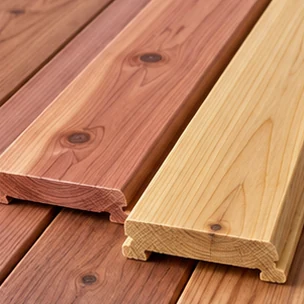
Explore productCedar & Cypress Boards: a category listing for specialty softwoods used in siding, trim, and interior accents—confirm species, surfacing, grade, and drying method with the supplier before specifying.
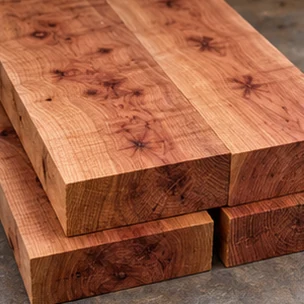
Explore productSmall-diameter North Carolina mountain laurel sticks for turning, carving and decorative slices; sold by lot—confirm lengths, diameters and drying condition before ordering.
Explore productReclaimed Timber Frame Trusses are unique reclaimed trusses and large timbers salvaged from older buildings, offered for structural reuse or exposed architectural applications. Each lot varies widely in species, condition, joinery, and usable section—inspect samples and require documented condition and engineering review before specifying.
Explore product