Specialty wood products
Antique Reclaimed Beams
Salvaged timbers with historic patina offered as beams and architectural accents; verify lot identity, usable sizes, and any structural suitability before specifying.
Explore productA practical checklist for ordering structural posts and columns from timber stock: verify straightness, usable length, grade/species, anchoring requirements, and request a mill tolerance sheet.
When you’re ordering structural posts from timbers you’re buying more than a length of wood: you’re buying dimensional accuracy, straightness, predictable movement, and connection-ready faces. Confirming a short set of shop- and field-centered items with the seller up front prevents expensive rework at delivery, reduces site delays, and keeps engineered designs valid.
This guide walks you through the five checks that matter most: straightness and geometric tolerances, usable length and end-trimming allowance, species and grade for prescribed load capacity, anchor/connection details the timber must accept, and how to request mill tolerances and acceptance criteria in the quote.
Straightness problems are the most common reason timbers need rework. Ask the supplier to state straightness tolerances for the lot and to show how they measure them. Use plain geometric terms in the quote: sweep (side-to-side bow), crook (lengthwise bow), twist (end-rotation), and crown (longitudinal curvature).
In practice, specify the maximum allowable deviation and the measurement method you’ll accept (string line, straightedge, or laser). If you can, require the mill to mark the face they considered the reference face and ship timbers with that face identified so your joinery or bearing surfaces are predictable. For visible posts you may also want a separate appearance tolerance for twist and surface checking.
Timbers are often shipped with ends left rough or with sapwood, bark, or defects that must be trimmed before they seat on bearing plates or enter into joinery. When specifying usable length, call out the net length you need after end-trimming and ask the mill to confirm the nominal cut length they will ship. Don’t assume the delivered length equals usable length.
Also specify whether you expect the posts to be end-surfaced and squareed at the mill (ready-to-install) or rough-sawn to be finished on site. If your project uses concealed tenons, housed bearings, or embedded steel, give the supplier the finished cut lines so they can avoid defects in those critical areas.
Structural performance depends on species, structural grade (visual or machine-graded), and the actual cross-section. Don’t accept a trade name alone: ask the seller to confirm the botanical identity you specified and the grade stamp or grading rule used. If the design relies on specific engineering values, require documentation that the lot meets that grade or provide a mill certification that matches your engineer’s assumptions.
If the timber will be exposed, specify both structural grade and appearance constraints separately. For engineered or heavy-load applications, coordinate with the structural engineer to list the species and grade in the procurement documents so the mill can match the requirement in writing.
Anchor details determine end-trimming, hole layout, and surface condition. Provide the supplier with the connection drawings or at least the locations of anchor bolts, through-bolts, or concealed steel plates. Request that holes or recesses for hardware be located and drilled at the mill to the tolerance you specify, or request datum marks for site drilling.
Also specify the face condition where posts bear on steel plates (flatness, end-surface preparation) and whether you need bearing faces planed to mate with plates. For exterior posts call out required preservative or surface protection at cut ends and the location of flashings so the mill does not cut the protective coating off critical areas.
Ask the mill to provide a simple tolerance sheet with the quote. That sheet should include nominal and net cross-section, straightness measurement method and maximum deviation, acceptable twist per length, end-trim allowance, surface condition (rough-sawn, planed, sanded), and a statement of species and grade identity.
Spell out acceptance and rejection triggers: for example, what happens if a delivered timber exceeds the straightness tolerance or contains a defect that requires extra trimming beyond the stated allowance. Put return, replacement, or discount terms into your purchase order so you’re not negotiating remedies on delivery.
Plan your receiving and rigging before the truck arrives. Large timbers can shift during transport; expect to inspect straightness, usable length after trimming, grade identity marks, and any pre-drilled holes on the first pallet or truckload. Use sling points and spreader bars as the mill recommends.
Keep a sample timber for verification and photograph any defects before unloading. If the lot will be stored before installation, protect ends, keep timbers off the ground on stickers or blocking, and avoid rapid drying that can increase end-checking. If you requested mill-drilled holes, verify hole locations against your stamped drawings immediately.
Short example lines to include in a quote: “Supply Douglas-fir posts, species verified, visually graded to [engineer-specified grade]; net installed length 10'–0" after end-trimming; mill to provide straightness tolerance and measurement method with shipment; mill to pre-drill anchor holes per drawing X and mark reference face.”
If you need appearance timbers, split requirements into two clauses: one that secures the structural grade and certification, and a second that prescribes visible-face selection, surface finish, and allowable figure or knots. That avoids confusion between structural adequacy and aesthetic selection.
Before you finalize dimensions and place the order, review the Wood Timbers product page checklist to ensure you’ve captured the net lengths, reference faces, anchor details, and the tolerance sheet request in the quote. That checklist is designed to translate typical jobsite needs into clear mill instructions and will reduce surprises at delivery.
If your project uses engineered values, share the structural notes and the engineer’s specification with the mill so they can confirm compliance in writing prior to production.
Yes — as long as your structural design and connections account for the rough surface and you accept the extra on-site surfacing work. If the post bears on a plate or seats in a precise joint, require the mill to plane the bearing face or deliver a reference face so you have predictable mating surfaces.
Specify the net installed length you need and tell the mill how much end-trimming you’ll allow for defect removal and squaring. Ask the mill to confirm nominal ship length and to mark potential trim lines if you expect to trim to a shoulder or tenon on site.
Request nominal and net cross-section, straightness measurement method and maximum deviation, allowable twist per length, end-trim allowance, surface condition, and confirmation of species and grade. Also include pre-drilled hole layouts if required.
If the post is carrying engineered loads, coordinate with the structural engineer so the specified species, grade, and net section match the calculations. The engineer should review substitutions or if the mill proposes a different grade or species than called for.
Focused guides to the specification, application, and delivery questions behind this product.
Choose timbers and detailing that match the actual exposure of the structure: naturally durable species or preservative‑treated posts where wetting and ground contact create risk, plus simple details (sloped tops, drip notches, isolation hardware, ventilation) that keep wood dry and extend service life. Specify treatment documentation, compatible fasteners, and delivery/staging in the timber quote.
Read this InsightClear, practical guidance to select timbers for exposed interior beams and mantels—covering appearance grading, reserving faces, finishing choices, checking for knots and checks, and how to estimate material removal.
Read this InsightA concise selection checklist for timber‑frame timbers that tells architects, builders and shops exactly what to put in a quote and on shop drawings: species and appearance, net sizes, joinery allowances and tolerances, drying status and lot moisture documentation, plus vendor sign‑off and receiving procedures so joinery fits as intended.
Read this InsightA practical workflow for ordering timbers that must deliver both structural capacity and a consistent visible appearance: separate the two requirements in your specification, use reserve/marking strategies or built‑up members to protect clear faces, require both appearance and structural grade language in quotes, inspect lots on delivery, and involve an engineer for safety‑critical spans or altered cross‑sections.
Read this InsightA practical, step-by-step checklist for receiving large wood timbers: confirm order details and site access, choose the right offload method, inspect and document shipments at delivery, stage and protect timbers correctly, and record discrepancies for claims. Coordinate equipment and crew so delivery time and storage time are minimized.
Read this InsightClear, unambiguous purchase-order language — naming net dimensions after surfacing, the surfacing condition, which face must be preserved, and usable-length or end-trim allowances — prevents costly surprises when timbers arrive.
Read this InsightSalvaged timbers with historic patina offered as beams and architectural accents; verify lot identity, usable sizes, and any structural suitability before specifying.
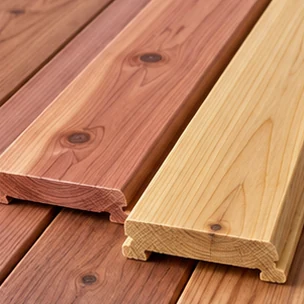
Explore productCedar & Cypress Boards: a category listing for specialty softwoods used in siding, trim, and interior accents—confirm species, surfacing, grade, and drying method with the supplier before specifying.
Explore productSmall-diameter North Carolina mountain laurel sticks for turning, carving and decorative slices; sold by lot—confirm lengths, diameters and drying condition before ordering.
Explore productReclaimed Timber Frame Trusses are unique reclaimed trusses and large timbers salvaged from older buildings, offered for structural reuse or exposed architectural applications. Each lot varies widely in species, condition, joinery, and usable section—inspect samples and require documented condition and engineering review before specifying.
Explore product