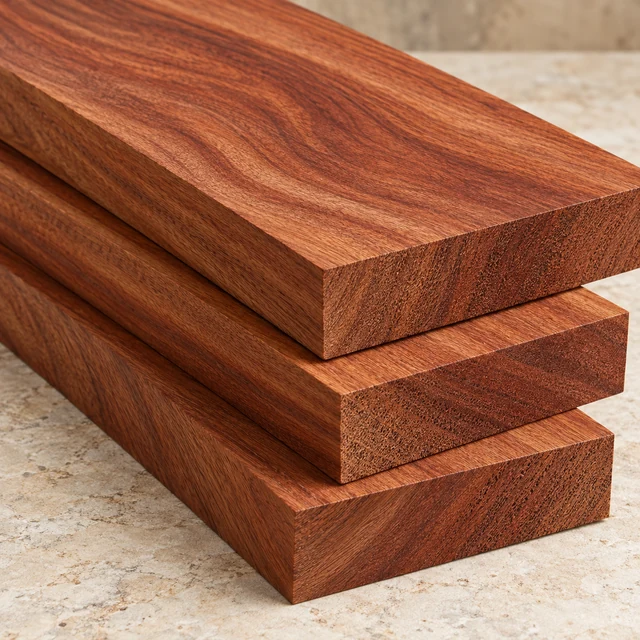
Thesis — don’t assume trade names equal exterior suitability
If you’re specifying Kabukalli for decking or siding, the single most important decision is not the color or grain — it’s confirming that the particular lot has the durability and treatment history required for the intended exposure. Trade names can cover variable botanical identities and variable lots. Your job is to get the specific evidence that ties one delivered lot to the performance you expect on a house, boardwalk, or commercial façade.
Confirm species identity and natural durability (lot-level evidence)
Ask the supplier to confirm the botanical name (or close equivalent) for the lot you will receive. When a trade name covers multiple species or mixes, require a clear statement of identity and, if available, a mill/forest source for that lot.
Next, request durability evidence keyed to the service condition you plan. Useful items are a documented natural durability rating or preservative-retention report, and any laboratory test results relevant to decay and termite resistance for similar exposure (above‑ground versus ground contact). If the supplier markets the material as preservative treated, ask for treatment reports describing the preservative used and retention achieved for that specific shipment.
If the supplier cannot provide species-level durability evidence or test reports, insist on a performance mock-up in the field (representative boards installed in the same exposure) and a return inspection after a season, or select a different species with documented performance for the intended use.
Finish schedule — what to specify and when to apply it
For exterior decking and siding the finish is both protective and cosmetic. Specify a finish schedule in your procurement documents that covers factory- or shop-priming, field finishing, and a maintenance recoat plan.
Require end‑grain sealing at the mill or immediately on receipt. End‑grain dries and accepts finishes differently than face and edge grain; sealing reduces early splitting and uneven moisture exchange.
Decide whether you want a penetrating oil, semi‑transparent stain, or film‑forming topcoat. Penetrating tung or alkyd oils with UV inhibitors are a conservative choice where you want the wood character to show and easy local repairs; pigmented oils and stains hide early greying and typically need less frequent cosmetic maintenance. If you choose a film finish for decking, specify an abrasion‑resistant exterior system and note that periodic sanding and refinishing are more intrusive.
Include surface preparation and application conditions in the spec: dry boards, recommended number of coats, and timing for the first field recoat. If a factory-applied finish is claimed, require a batch number and coating data sheet for the lot so the field crew can match future maintenance products.
Fastening, detailing and ventilation — the real weatherproofing
Fasteners and detailing are the low-cost items that prevent expensive failures. Specify corrosion‑resistant fasteners that are compatible with the wood and any preservative used; in marine or coastal exposures ask for stainless steel alloy recommendations from the supplier. For decking, concealed‑clip systems can reduce surface staining from fasteners and allow some board movement; for siding, concealed fasteners and proper flashing reduce points of water ingress.
Require predrilling instructions in the woodworking spec when working with dense or unfamiliar species. Dense exotic or tropical species frequently benefit from pilot holes to avoid splitting and to allow screws to seat without excessive torque.
Airflow behind cladding and clear water‑management details are just as important as the board itself. Specify a continuous ventilated air space behind siding (a rainscreen) and clear flashing and drainage paths at terminations, penetrations and transitions. Make the ventilation and gap dimensions part of the shop drawings so installers can price and build to the same detail you expect.
Maintenance expectations — specify a realistic plan
Set client expectations up front. Exterior hardwoods weather and change appearance; maintenance needs depend on exposure, finish choice and detailing. Put a maintenance schedule in the contract that lists routine cleaning, inspection intervals for fasteners and flashing, and when to reapply finish or perform localized repairs.
Include guidance for in-place repairs: how to touch up a penetrating oil finish, how to replace a stained board without leaving a visual mismatch, and when sanding or a full refinish will be required. Request a written maintenance sheet from the supplier for the delivered lot so building owners have manufacturer‑level instructions tied to the product they actually received.
Practical procurement checklist — what to ask for with your quote
When you request a delivered quote or a specification for Kabukalli lumber, include these lot‑level questions:
• Confirm botanical name(s) and whether the shipment is a single species lot or mixed lot.
• Provide natural durability classification or decay/termite test reports and specify the intended service condition (above‑ground, ground contact, splash, marine).
• If treated, supply the preservative type, retention values for the lot and treatment certificate.
• Supply mill drying method and target equilibrium moisture guidance for installation.
• Provide finish data: factory sealing, recommended field finish systems, and product names or batch numbers used on the lot.
• State recommended fasteners and any predrilling or machining notes for that lot.
• Include a sample board and, if possible, a field mock-up installed in the same exposure for final acceptance.
Final decision rule — require evidence, accept mock-ups
If the supplier can produce clear, lot‑specific durability evidence and treatment or test reports that match your service conditions, and you’ve specified detailing, fastening and a finish-and-maintenance plan, it’s reasonable to proceed. If that evidence is unavailable, treat the material as unproven and either require a field mock‑up that performs acceptably or select a species with documented performance for the intended exposure.
For next steps, ask for the Kabukalli lot sheet and finish recommendations, then schedule a short mock‑up installation to verify fasteners, finish acceptance and aesthetic changes before committing to full delivery.
BEFORE YOU REQUESTYour sourcing checklist.
- Botanical name and single-lot identity confirmation
- Natural durability rating or decay/termite test reports for the specified service condition
- Preservative treatment certificate (if applicable) with retention values tied to the shipment
- Mill drying method and target installation guidance for moisture content
- Factory or shop finishing details and batch numbers for applied coatings
- Recommended fastener type and predrilling/machining notes for the lot
- Sample board plus agreement to a field mock-up in representative exposure before full acceptance
Common questions.
How will I know if a Kabukalli lot is safe for ground contact?+
Don’t rely on the trade name. Require the supplier to provide either a documented natural durability classification for that lot in a ground‑contact scenario, or a preservative treatment certificate that shows the preservative and retention applied to that shipment for ground contact use.
Should I prefinish boards before installation?+
Yes — at minimum seal end grain before installation and apply an initial coat to faces and edges. Prefinishing reduces early moisture exchange and makes field finishing easier, but follow the supplier’s recommended products and test adhesion on a sample.
Which fasteners should I specify?+
Specify corrosion‑resistant fasteners compatible with both the wood and any preservative used. For coastal or high‑chloride exposures, require the supplier or fastener manufacturer to confirm alloy suitability. Include predrilling requirements for dense species to avoid splitting.