Why a receiving plan matters for Kabukalli
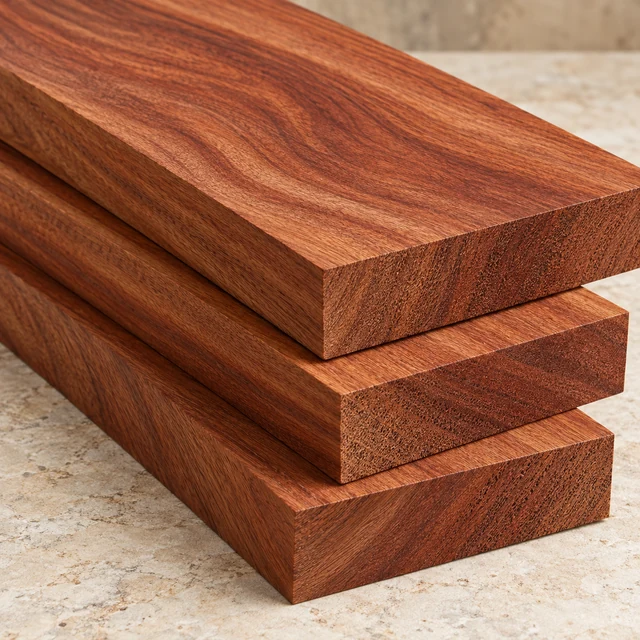
Kabukalli is a specialty lumber product where lot-to-lot variation, kiln drying, and mill grading affect how the material behaves after delivery. A few hours spent planning the delivery, arranging the right handling gear, and running a focused inspection will protect your yield, keep production on schedule, and preserve your options if a lot arrives out of spec.
Treat the delivery as the first quality-control step. The receiving stage is where you confirm that the material matches the quote and that the supplier’s lot labels, moisture condition, and visible condition match what you specified for the job.
Site and unloading preparation
Confirm access and truck type before the delivery window. Tell the carrier about any tight turns, low clearances, overhead wires, or weight limits on approach roads. If you need a liftgate, forklift, telehandler, or crane, schedule it for the carrier’s ETA and confirm that the driver can meet the appointed equipment requirements.
Clear and level a dedicated unloading area with firm ground and room to spread and inspect bundles. Keep the inspection area away from direct rain or sun so you can photograph and compare boards under consistent light. Leave space a few feet beyond the truck to lay out bundles flat with room to walk around them.
Bring protective gear and handling aids: gloves, safety glasses, a moisture meter, tape measure, pen and paper (or a tablet), camera or phone, packing-strap cutter, and a supply of stickers or numbered tapes to tag suspect boards. If shipments are bundled with straps, have a striker bar or bolt cutters to open them safely.
Inspection checklist — what to check at receipt
Confirm paperwork and identity: compare the bill of lading, packing list, and visible crate/bundle labels to your purchase order. Record lot or batch numbers exactly as they appear on the mill tags—those lot numbers are how you and the supplier will trace kiln schedules and appearance lots.
Moisture and conditioning: check a representative sample of boards with a calibrated moisture meter in at least two places per board (face and edge). Note the meter readings alongside the lot number and the specified target moisture content on your PO. If you don’t have a specified target, record the reading and the ambient conditions for later comparison.
Count and measure: verify counts, nominal dimensions, and lengths against the packing list. Spot-check thickness, width, and obvious length mismatches before unloading other bundles.
Visible defects: look for end splits, surface checking, cupping, bow, twist, excessive sapwood, staining, pitch pockets, insect frass, or milling damage. For slabs and wide boards, check flatness across the crown and edges for straightness.
Appearance and colour: if appearance is part of the spec, check several boards from each bundle for consistent colour and figure. Note if the lot contains mixed grain types or visibly different sub-lots that should have been separated.
Segregation: immediately set aside any suspect boards or bundles and mark them with tape or tags. Don’t mix them back into the main stack—keep them with the delivery paperwork and photographed evidence.
Documenting damage and disputes — how to build a clear record
Photograph everything while the carrier is present: wide shots of the truck and pallet, medium shots showing bundle labels and lot numbers, and close-ups of each defect you’ll dispute (include a ruler or tape for scale). Use a time-stamped camera or add a dated note in photos if your camera doesn’t stamp time.
Note driver interactions on the bill of lading. If you accept the shipment with damage or short counts, write clear, specific remarks on the carrier’s paperwork (for example: “Bundle 3 — 2 boards with end checks; Lot 245A; accepted subject to inspection”). Have the driver sign and date the notation if possible.
Create a simple inspection log: PO number, lot numbers received, moisture readings, counts, and defect descriptions. Save photographs and the signed BOL together. Contact the supplier promptly and include your inspection log and photos in the initial claim or inquiry.
If you must refuse part or all of a delivery because of severe damage and you can’t document it properly with the driver present, be cautious: refusal can protect your position but may affect scheduling. Work with the supplier and carrier to arrange an immediate documented return or written acknowledgment of the refusal.
Short-term storage and acclimation on site
Stack flat and off the ground. Use stickers or kiln stickers between boards, aligned vertically from the ends to the center line, and support the stack on a flat base such as pallets or treated sleepers. Keep sticker lines continuous through the stack to avoid point loads that produce permanent bends.
Protect from weather but allow airflow. Cover the top of the stack with a breathable tarp or shed cover; do not seal bundles in plastic where condensation can form. If inside storage is available, place the material in a conditioned space that represents the final installation environment so the wood can acclimate before machining or finishing.
Keep lots separate. Store different lot numbers apart so you can match material used in production back to the original lot for finish matching or warranty concerns. If you plan to mill or glue boards together, pull faces from the same lot where appearance consistency matters.
Avoid immediate machining for appearance-critical parts until the material has acclimated to the shop conditions and you’ve rechecked moisture. If you must run boards immediately, use a separate QA run and be prepared to reject or remill work that moves after final drying.
Practical receiving scenarios
Small truckload or pallet delivery: you will often be responsible for moving each pallet. Confirm that the carrier has a liftgate or that you’ve arranged local lift support. Open one pallet first and inspect before unloading the rest.
Full truck or heavy bundles: use a forklift or telehandler and an experienced operator. Stage one bundle in the inspection area and leave the remainder on the truck until you’ve confirmed counts and condition. For heavy or wide boards, plan for two-person handling and use spreader bars to avoid board edge damage.
Finish specification tie-ins: if colour or finish matching is important, pull representative boards from each lot and dry-stack them in your finish room. Make decisions about staining or dyeing only after the boards have acclimated and been test-finished.
Next steps and where to go for product details
Receiving Kabukalli lumber is about eliminating surprises: confirm lot identity, measure moisture, photograph defects, and store thoughtfully. Those actions protect your yield, simplify any dispute with the supplier, and save time on shop rework.
For product specifics—dimensions, available grades, and lot-level questions to include on your purchase order—see the Kabukalli product page at /kabukalli-lumber and add any acceptance criteria you need to the PO before you finalize the order.
BEFORE YOU REQUESTYour sourcing checklist.
- Confirm delivery window, truck type, and required handling equipment (liftgate, forklift, crane)
- Clear and level an unloading and inspection area protected from direct weather
- Bring a calibrated moisture meter, camera, measuring tape, markers, and tags
- Match bill of lading, packing list, and visible lot numbers to the PO before unloading
- Inspect and record lot numbers, counts, moisture readings, and visible defects
- Photograph labels, carton/bundle IDs, and all defects with scale and date
- Segregate suspect boards and keep them with paperwork for claims
- Stack flat with continuous stickers, store off the ground, and allow airflow
Common questions.
What moisture reading should I expect on arrival?+
Moisture varies with mill practices and your project’s target relative humidity. Don’t rely on a single spot reading—record representative readings from several boards and compare them to the target moisture content or specification on your purchase order. If readings differ from the spec, document them and contact the supplier.
How long do I have to dispute visible damage?+
Dispute windows are supplier- and carrier-dependent. Protect your position at delivery: photograph the condition while the carrier is present, note damage on the bill of lading, and notify the supplier immediately with your inspection log and photos. Follow the supplier’s claims process in writing.
Can I accept a shipment with minor defects and sort later?+
Yes, if you clearly document the defects on the BOL and segregate the material on site. Mark suspect boards and photograph them before they’re mixed into your inventory. If appearance or structural integrity is crucial, consider refusing the affected bundles until resolved.
How should I store Kabukalli short term?+
Stack flat on stickers with continuous support, keep material off the ground, cover the top to shed water while allowing ventilation, separate lots, and avoid direct sun. Move material indoors to acclimate when possible before machining or finishing.