Short answer — yes, with conditions
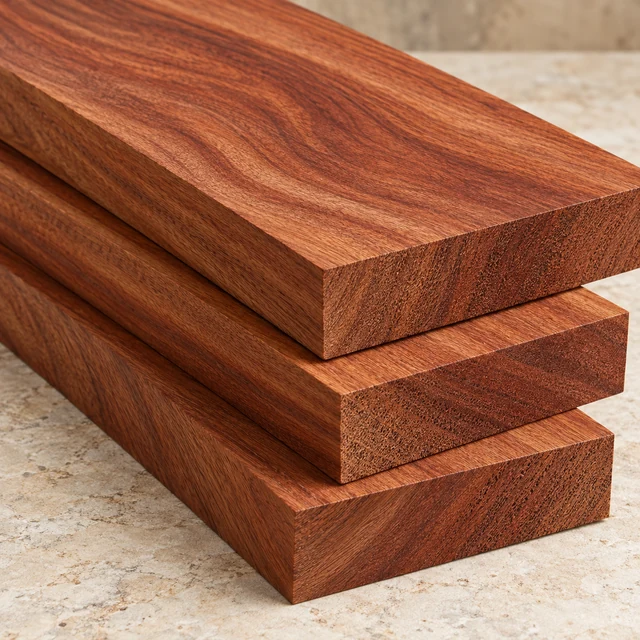
Utile lumber can be used for interior doors and trim, but only after you lock down a few lot‑specific details. The trade name “Utile” is applied in the market to a product line rather than a single universal grade or mill lot, so the sensible path is: confirm the species identity and grade, verify how the boards were dried and surfaced, and plan for normal seasonal movement and finishing before you order long runs.
That means Utile is not an automatic drop‑in for every door/trim spec; it can be an excellent choice for visible joinery and millwork when you treat it the same way you would any non‑stock domestic or exotic hardwood: confirm workability, order sufficient continuous lengths, and prefabricate or prefinish where possible.
What to check about species identity and durability
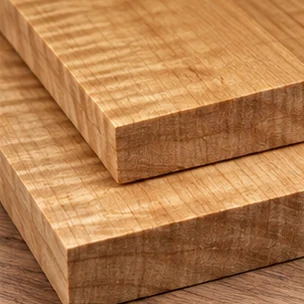
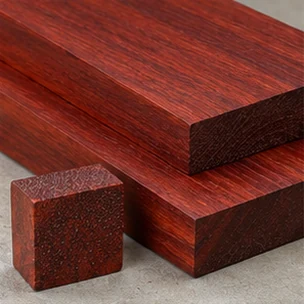
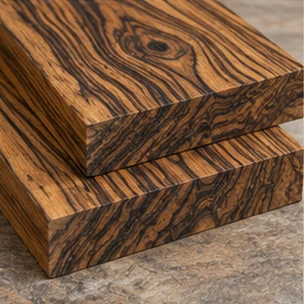
Ask the supplier to confirm the botanical identity or the mill trade name they are using. “Utile” in different markets can refer to different African hardwoods; appearance, density, wear resistance and tooling characteristics will vary by species and by lot. Don’t rely on a broad category name when you’re specifying visible doors and trim for an owner who cares about color, grain and long‑term performance.
Once you have the lot identity, review: exposure expectations (high‑traffic doors, kick areas, stair handrails), relative hardness (dent resistance), and finish compatibility. If durability for heavy traffic or commercial interiors is critical, demand finish and wear testing on representative samples rather than relying on the name alone.
Movement allowances and how to specify them
All solid wood doors and trim move with seasonal humidity. With Utile this is no different: design reveals and junctions to accept seasonal dimensional change rather than fight it. In practice this means detailing doors and surrounding trim so the trim can float, using floating stops or back‑bedding details where trim meets jambs and casing, and avoiding glued, full‑perimeter joints that trap panels against constrained frames.
Put the movement allowance into the contract drawings and the door schedule: call out joint types (tongue‑and‑groove, cope & stick, loose tenon rails), reveal widths, and specify whether doors will be factory‑preassembled and finished, or delivered rough for field finishing. Require the supplier to state the target kiln‑dry moisture content for the lot and that the boards were dried to a moisture content suitable for the project’s installed environment.
Surfacing, lengths and layout rules to request
For door stiles, rails and visible trim, insist on surfaced, straight, and flat stock — S4S is usual for millwork so the shop can dimension directly, minimize additional milling, and reduce waste. If you accept rough‑sawn boards to save cost, add surfacing and straightness acceptance criteria to the quote so you aren’t surprised on delivery.
Order lengths with yield in mind: request boards long enough to rip multiple stiles or lengthwise match rails from the same board so you can avoid scarf joints on visible verticals. When doors will be matched across runs, ask for board‑matching or sequence marks so you can plan matching on the door face. Also require tolerance language for thickness and width so parts fit into standard door‑making jigs without extensive rework.
Machining, fastening and finish workflow
Before you commit a lot, get tooling guidance from the supplier or test a sample for planing, routing and edge profiling. Exotic or dense tropical woods—if that’s the species behind your Utile—can blunt cutters faster and may require slower feeds, sharp carbide cutters, and stabilization of thin mouldings before profiling.
Decide where finishing will happen. Factory prefinishing reduces jobsite risk: it lets you seal end grain, apply primer/undercoats, and apply topcoats on flat, controlled surfaces. If you need to finish in the field, require full‑coverage seal coats in the shop for doors and trim as soon as parts are machined, then finish touchups on site. Regardless of location, always seal end grain and interior joinery before assembly; colors and sheen can shift after final assembly, so run full‑scale mockups and finish tests on representative pieces from the same lot.
Specification checklist and practical procurement notes
When you write the spec or request a quote for Utile lumber for doors and trim, include: confirmed species/lot identity; target kiln‑dry moisture content for installation environment; surfacing (S4S) and straightness/flatness acceptance; minimum continuous lengths or yield expectations; matching/sequence requirements; finish compatibility testing; and delivery staging for acclimation on site.
Finally, schedule a pre‑installation mockup (one door plus trim) and allow time for acclimation at the jobsite. Treat the lot like any specialty hardwood: sample, test, and lock down the finishing and movement details before you publish a final submittal or begin production.
BEFORE YOU REQUESTYour sourcing checklist.
- Confirm the supplier’s exact species or mill trade name for this Utile lot.
- Require kiln‑dry target moisture content appropriate to the building’s finished interior and a statement of drying method.
- Specify surfacing (S4S) and straightness/flatness acceptance criteria; include tolerances for thickness and width.
- Order lengths sufficient to produce continuous stiles/rails without scarf joints where appearance matters.
- Request finished‑sample panels and machining tests (planing, routing, edge profiles) before full production.
- Define whether doors and trim will be factory‑prefinished or shop/field finished and require end‑grain sealing.
- Request color/finish mockups made from the same lot and sequence marking for matching across multiple doors.
Common questions.
Is Utile a good choice for paint‑grade trim?+
You can use Utile for paint‑grade trim, but confirm the board quality (knotting, fill needs) and drying. For paint‑grade work you can tolerate more character and filler, but still require stable, surfaced stock and a consistent moisture content to avoid finish failures.
Should I prefinish doors and trim made from Utile?+
Yes — prefabrication and prefinishing in a controlled shop environment reduce the risk of finish issues caused by on‑site conditions and reduce handling damage. At minimum, seal end grain and provide at least an initial shop coat; full topcoats on flat doors and trim are best.
How do I get good color match between doors and trim?+
Start with the same lot and sequence mark boards for matching. Run full‑scale finish tests on samples from the same lot, and avoid mixing lots across a single run if close visual match is required. Adjust stain or finish recipe only after mockups.
What if the supplier can’t confirm species?+
If the supplier won’t confirm species identity, treat the material as an appearance grade only: demand machining and finish samples and expressly limit warranty exposure in the contract. For high‑value millwork, insist on traceable lot information before you accept an order.