Thesis: consistency comes from locking the lot, the look, and the handling
If your goal is repeatable cabinet faces and matched door sets, the single best control is to require a confirmed species identity and to source from a single manufacturing lot (or clearly sequenced lots) for each run of visible parts. Appearance control—what’s acceptable and what must be excluded—should be explicit. Equally important are moisture disclosure, minimum lengths to protect yield, and an acceptance process that lets you approve a sample before the entire shipment ships.
1) Specify species and lot confirmation up front
Use the commercial name “Utile” in the specification and require the supplier to confirm the botanical identity they are selling under that name. Trade names can cover different species or regional variants, so require the supplier to state the accepted botanical name for the lot and to confirm that the shipped lot matches the quoted lot.
Require the supplier to mark each pack or skid with a lot number and a written lot certificate (packing list) that ties individual boards to that lot number. For multi‑phase projects, require the same lot number for all face-grade material used within a single room or design run, or require pre-approval of any change in lot with new physical samples.
2) Appearance grade, sapwood limits, and allowable defects
Define a clear appearance grade for face work. Describe what you want included and what must be excluded rather than relying on vague phrases. Useful elements to spell out: allowable knot size and frequency, pin knots, streaks, small checks, wormholes, and whether end knots are permitted on face pieces.
Address sapwood explicitly. If you need a consistent warm brown field with minimal lighter sapwood, state whether sapwood is prohibited on face-grade boards, restricted to non‑face components, or allowed only if trimmed from visible faces. If you can accept sapwood in narrow bands make that explicit (for example: sapwood excluded from exposed faces; sapwood allowed on backs and internal components).
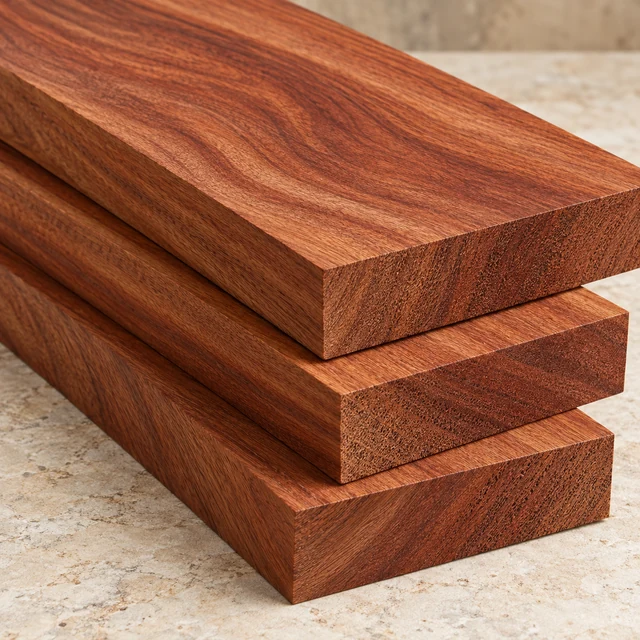
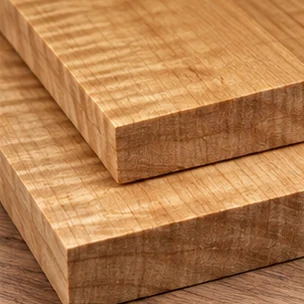
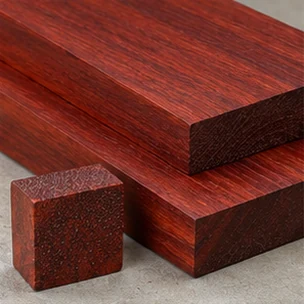
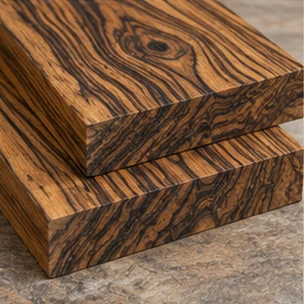
Specify whether you will accept boards with heavy color variation or live edge figure; if not, require “clear grade” or “select face” material with limited figure and tonal variation. If you plan to stain, note whether the finished color should match an approved sample.
3) Matching rules and layout direction
Tell the supplier how you want grain and figure matched within doors, drawer fronts, and runs of cabinets. Common controls you may want to specify include: bookmatching (pairing adjacent boards), continuous matching across multi‑door runs, consistent grain direction for face frames, and whether rift/quarter‑sawn boards should be segregated.
Require the supplier to lay out proposed face assemblies and provide a digital image or physical sample panel for approval when matching is critical. State whether minor variation between approved sample and shipment is acceptable, and whether you reserve the right to reject the lot if the shipped material does not reasonably match the approved sample.
4) Moisture disclosure, minimum lengths, and yield planning
Require a moisture statement with the quote and on the packing list. Ask the supplier to state the current average moisture content for the lot and whether the material has been kiln‑dried or air‑dried. Include an acclimation recommendation for your shop or jobsite conditions and require you to be notified if the lot departs from the stated condition.
Specify minimum board lengths and face-grade widths required for your door layouts and stile/rail cutting patterns. Rather than leaving lengths open, set the minimums to protect yield for your specific door sizes and stile widths—this reduces short pieces that force seams in visible faces.
If you accept off‑lengths, state how many and where they may be used (e.g., backs, internal rails, or cutoffs) and whether credits or replacements will be required for excessive short pieces.
5) Inspection, acceptance criteria and handling of short or out‑of‑spec pieces
Require a pre‑shipment sample (a defined number of boards or a panel) to be approved in writing before the supplier releases the remainder of the lot. Define acceptance criteria in measurable terms where practical (e.g., sample photograph representing the lot, or a labeled sample board to be used as the match standard).
On receipt, your acceptance should be based on conformity to the approved sample, the lot certificate, and the packing list. State the timeframe for inspection and the process for reporting nonconformances. Define remedies: replacement of short or defective boards, credit, or regrading and reselection within the lot.
Ask the supplier to identify and segregate short lengths and damaged boards prior to shipping and to note them on the pack list. That reduces surprises on arrival and speeds remediation.
6) Practical tradeoffs and a copy‑and‑paste spec fragment
Higher consistency costs yield: tighter sapwood exclusion, strict appearance grading, and single‑lot sourcing reduce variability but increase cost and waste. Where budgets matter, you can relax matching and sapwood rules and accept a permitted number of trimmed or off‑color boards, but require clear notification and credits for unusable pieces.
Sample specification fragment (use project values to replace placeholders): “Material: Utile (commercial name). Supplier must confirm botanical name for the shipped lot. Lot number and lot certificate required. Appearance: Face‑grade—[INSERT APPEARANCE DESCRIPTION; e.g., select face, sapwood excluded from exposed faces, no knots larger than ___]. Matching: Provide bookmatched panels for doors and continuous matching across specified runs; supplier to submit sample panel for approval prior to release. Moisture: Supplier to state drying method and current lot moisture content on packing list; material to be delivered with acclimation instructions. Minimum lengths: Boards shall be minimum [PROJECT MIN LENGTH] for face grade; short and damaged boards to be listed on pack list. Inspection: Buyer to inspect within [PROJECT INSPECTION PERIOD]; nonconforming boards to be replaced or credited.”
BEFORE YOU REQUESTYour sourcing checklist.
- Name the material as “Utile” and require botanical confirmation for the lot.
- Require a lot number and a lot certificate with the packing list.
- Specify an appearance grade that addresses knots, pinholes, sapwood, and figure.
- Set matching rules (bookmatching, continuous runs) and require a pre‑shipment sample.
- Require a moisture statement and acclimation guidance on the packing list.
- Specify minimum board lengths for face‑grade material or state where short lengths may be used.
- Define inspection timeframe, acceptance criteria tied to the approved sample, and remedies for nonconformance.
- Ask the supplier to mark and list all short or damaged boards before shipping.
Common questions.
Can I rely on the trade name “Utile” to mean a single species everywhere?+
No—commercial names vary by region and supplier. Require the supplier to state the botanical name for the lot they are supplying and to confirm the shipped lot matches the quoted lot. If absolute botanical identity matters to you, request documentation on the lot certificate.
How do I balance color consistency and yield?+
Tighter sapwood exclusion and stricter appearance grades improve visible consistency but reduce yield and raise cost. To balance, reserve tight controls for the visible faces and allow lower‑grade boards to be used for backs, interiors, or non‑visible components; require credits or replacements for unusable face‑grade pieces.
What should I do if a received lot doesn’t match the approved sample?+
Have an acceptance process written into the contract: inspect within the agreed timeframe, notify the supplier with photos and pack list references, and require replacement, regrading of the lot, or a credit. Pre‑shipment samples reduce risk and give you clear grounds for rejection if the lot varies materially.