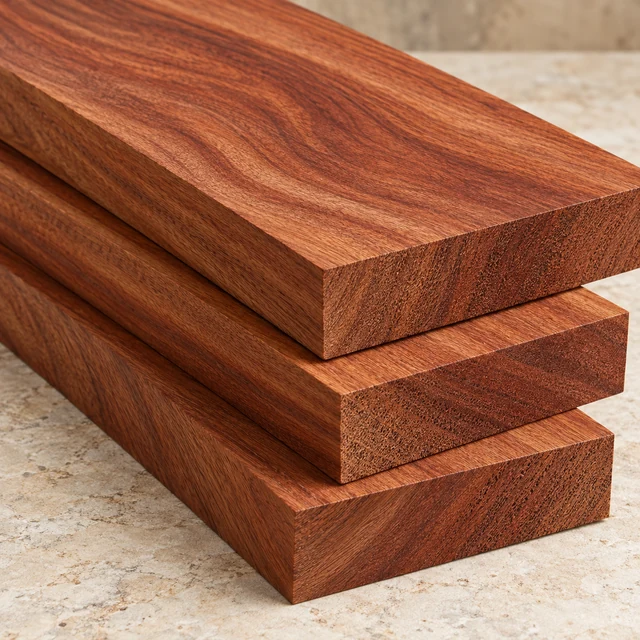
Mahogany-like appearance
Delivers the warm red-brown look clients expect from mahogany-style projects without specifying a particular species or veneer supply.
Wood, with a clear specification
Also searched as Sipo
Utile (often sold as Sipo) is an African hardwood traded for its mahogany-like look and furniture-friendly workability; confirm species, grade, and lot details before specifying.
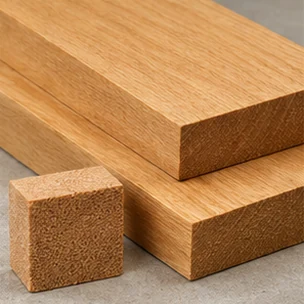
Utile lumber is an exotic hardwood product commonly marketed under the Utile or Sipo trade names. In lumber form it is sold for solid woodworking applications — furniture, cabinets, doors, and millwork — but the name does not, by itself, specify species, grade, or cut.
Appearance and workability are generally in line with African mahoganies: warm reddish tones, straight to interlocked grain, and good finishing behavior. Because color, grain pattern, and surface quality vary by log and milling, specifying appearance allowances and requesting lot photos reduces risk on visible surfaces.
Delivers the warm red-brown look clients expect from mahogany-style projects without specifying a particular species or veneer supply.
Machines, planes, and turns well in most cases; responds predictably to stains and clear finishes when tested on the actual lot.
Suitable for casegoods, cabinet components, door faces, and smaller turned or carved parts when matched and specified correctly.
| Characteristic | What to verify | Buyer tip |
|---|---|---|
| Species identity | Exact botanical name the supplier means by 'Utile' or 'Sipo' | Require the species on the quote to avoid mix-ups |
| Color & grain | Photos of the actual lot and a stated allowance for sapwood | Ask for board selection rules (match, random, or grade-based) |
| Surface & cut | Whether lumber is rough, surfaced, or S4S and the sawing method | Confirm surfacing and whether edges are straightened |
| Moisture condition | Kiln-dried or air-dried and any target MC documentation | Request moisture statement for critical joinery or finishing |
| Grade / appearance | Defined grading or appearance standard and allowable defects | Get board-by-board grading for consistent visible runs |
| Lengths & quantity | Typical usable lengths and quantity basis (board feet/pieces) | Specify minimum lengths and acceptable short length percentage |
Do not assume supplier terms—require species, grade, dimensions, and moisture condition on the quote.
Utile is generally worked like other African mahoganies: it machines, planes, and turns cleanly and accepts stains and clear finishes well. Interlocked grain can raise a slightly fuzzy surface when planing across fibers; a light scraper or sanding pass will tidy the surface.
Gluing, veneering, and common mechanical fasteners perform as expected for hardwoods of this class, but always test your specific adhesive and finish system on the lot you receive.
Utile lumber is used for solid furniture, cabinet frames and faces, interior doors, trim, and specialty millwork where a mahogany-like look is desired without specifying exact botanical species.
It can also be used for turned objects and small specialty pieces. For exterior or load-bearing uses, confirm species-specific durability and supplier documentation before specifying.
Request clear answers on species identity, grade or appearance standard, typical board widths and lengths, moisture condition (kiln-dried, air-dried), and whether any machining or surfacing is included.
Ask for photos of the actual lot, a statement of how the supplier measures quantity (board feet, linear feet, pieces), and any inspection or acceptance terms that apply to color or defects.
Like most tropical hardwoods, Utile will move as it equilibrates to shop or site humidity. Stack with stickers, allow time to acclimate before final machining or assembly, and leave room for seasonal expansion in casework and panels.
If you need a specific moisture content for finishing or joining, require that documentation in the quote or inspect moisture after delivery.
Utile's warm color and woodgrain make it a good choice for solid furniture frames, table components, and casework where a mahogany-like aesthetic is desired. For drawer fronts and visible panels, request matched boards or a defined color band to ensure run-to-run consistency.
Use Utile for cabinet frames, face frames, trim, and select millwork profiles. Confirm surfacing (S4S vs rough) and thickness tolerances when parts are milled to final dimensions.
Door stiles, rails, and solid trim can be produced from Utile lumber. Leave specification notes for seasonal movement allowances and confirm species durability if doors are exposed to variable humidity.
Smaller blanks and turned components benefit from Utile's workability and finish response. For turnery, request defect-free, straight-grained blanks and check for interlocked grain that can affect tearout.
Define species name, grade or appearance standard, board sizes and lengths, quantity basis, and whether lumber is surfaced. Require the supplier to confirm the lot, price, payment, and freight terms in writing before shipment.
Inspect bundles on arrival for obvious damage, verify quantity and usable lengths, and spot-check moisture. Photograph any visible damage and note it on the carrier's paperwork before accepting delivery.
Store flat with stickers, off the ground and out of direct sun or moisture. Allow the wood to acclimate to shop conditions before machining or finishing and keep boards stickered and weighted to prevent cupping.
African Mahogany lumber is a trade-name grouping of West and Central African hardwoods prized for warm reddish-brown color and good finishability; confirm species, drying, and lot consistency when specifying for furniture, millwork, or wide tops.
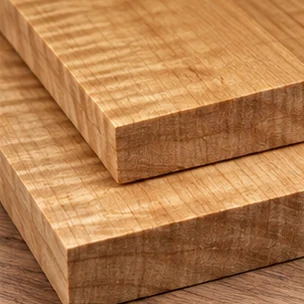
Explore productAnigre lumber is an African hardwood trade name prized for warm, even faces used in furniture, veneer, and interior millwork. Appearance and working traits vary by species and lot—confirm identity, photos, and drying details before you specify.
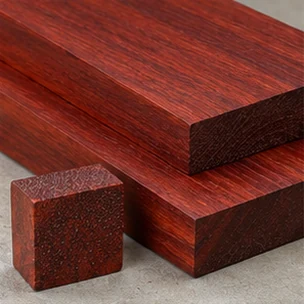
Explore productBloodwood lumber is a trade-name group of deep-red tropical hardwoods used for decorative interior work, turning, and selective high-wear surfaces. Confirm species, grade, and lot details before specifying or machining.
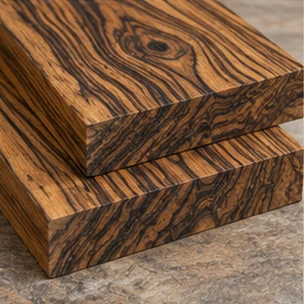
Explore productBocote lumber is an exotic, high-figure hardwood prized for dramatic veneers, accents, and small-work pieces—confirm species, lot, and surface condition before specifying.
Explore productFocused guides to the specification, application, and delivery questions behind this product.
Practical procurement and shop guidance for turners buying Utile: specify straight‑grain, defect‑free turning blanks, ask about interlocked grain, request trial blanks for tooling and finish tests, and inspect shipments carefully before production.
Read this InsightUtile lumber can be specified for interior doors and trim if you confirm the lot’s species identity and drying, plan for seasonal movement, require surfaced straight stock in sufficient lengths, and run finish/machining mockups before production. Treat Utile like any specialty hardwood: lock down lot details, prefinish where practical, and provide clear movement allowances in the drawings.
Read this InsightA concise, practical checklist for specifying Utile lumber for face frames and trim that focuses on surfacing, finished thickness and tolerance, run matching, moisture condition, and delivery lengths.
Read this InsightPractical spec and inspection steps to convert an Utile lumber lot into matched, furniture‑grade stock: demand matched‑board photos, set clear color and defect allowances, require finish tests on lot boards, and preserve the matching order through acclimation and milling.
Read this InsightA practical, shop‑focused guide to receiving Utile lumber: confirm order details before shipment, inspect and document at delivery, take moisture spot checks, stack with straight stickers and good ventilation, and acclimate until moisture readings are stable before final machining and finishing.
Read this InsightPractical guidance on when to pick Utile for furniture and millwork: its appearance versus mahogany, shop handling, edge‑gluing and panel tips, how and when to request matched boards, and alternatives for projects that require tighter color control.
Read this InsightA practical guide to writing a specification for Utile lumber that delivers repeatable cabinet faces: require species/lot confirmation, define a clear appearance grade and sapwood policy, set matching rules and minimum lengths, demand a moisture statement and pre‑shipment sample, and spell out inspection and remedies.
Read this InsightUtile is commonly used as a trade name for Sipo and related African mahoganies, but the name can cover different species or closely related timbers. Always ask the supplier to confirm the botanical name they mean for your lot.
Utile takes dyes and clear finishes much like other African mahoganies and often produces a similar warm, reddish tone. Because boards vary in color and grain, plan a mock-up and request matched boards or grading instructions for visible runs.
Specify required species name, grade or appearance standard, target board widths and lengths, quantity basis, and moisture condition. Ask the supplier to confirm the lot, quote, payment, and freight terms before finalizing the order.
Send your volume, destination, and key specifications. A broker can follow up with availability and commercial terms.