Why details matter with ipe
Ipe is chosen because it combines extreme hardness and natural decay resistance with an ability to hold up under heavy foot traffic and wet conditions. Those strengths also make it less forgiving of sloppy detailing: poor fastening, restricted ventilation, or inconsistent board selection are the most common causes of early problems. Approach an ipe deck the same way you would any high-value exterior hardwood — define the performance you want up front (natural silvering vs. long-term color retention, heavy commercial traffic vs. residential) and lock down the lot and milling before fabrication.
Board selection and acceptance at delivery
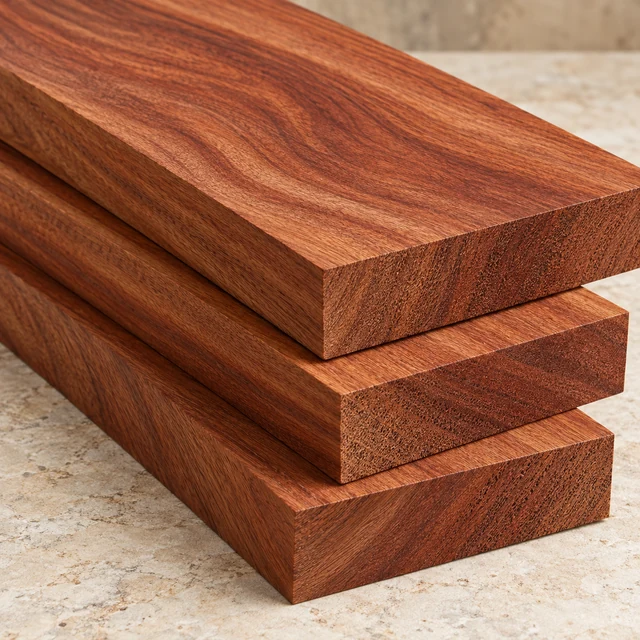
Start at the source. Confirm what the seller means by “ipe” (trade names can cover several Handroanthus species) and ask for the lot you will actually receive. Inspect sample boards from the lot for straightness, end checks, and consistent milling (such as plain-sawn face or grooved edge). Because ipe is dense and often sold in heavier, narrow sections, check each board for crown and twist — boards that are visibly cupped or heavily twisted will be difficult to fasten flush and will increase waste during layout.
Ask the supplier for the milling profile you need (solid face, grooved for hidden clips, or patterned) and confirm whether boards were surfaced and matched. Confirm moisture information with the seller and plan storage: keep bundles elevated, supported, and covered to shed water but allow airflow. If you specify tight appearance tolerances for a commercial or visible project, require that acceptance include flatness and tolerance limits and a sample board sign-off.
Spacing, drainage and ventilation — the non-negotiables
Design spacing and substructure to encourage rapid drainage and continuous airflow. Dense hardwoods shed water but will trap moisture against joists and between boards if gaps are inconsistent or clogged with debris. Keep butt ends aligned with a drainage plan that lets runoff escape rather than sit on end grain.
Consider how the deck sits relative to the house and landscape. Avoid burying deck edges in soil or mulch and provide clear pathways for airflow under the deck. Use the joist layout and blocking details to allow air to circulate under and across the deck surface. Where boards meet walls, chimneys, or raised planters, allow for movement and water run-off rather than relying on caulking to solve chronic moisture exposure.
Fastener choices and fastening technique
Corrosion resistance is the top requirement for deck fasteners used with ipe. The wood’s natural extractives and contact with wet conditions will accelerate corrosion in ordinary carbon steel. Use stainless-steel fasteners or fasteners specified for exotic hardwoods; confirm alloy with your fastener supplier and match it to site chemistry and any nearby metals to avoid galvanic issues.
Because ipe is extremely hard, mechanical technique matters. Pre-drill face screws to avoid splitting and to let heads seat cleanly; countersinking is common for face fastening but check appearance requirements beforehand. For a cleaner surface, use a compatible hidden-clip system designed for hardwoods or a stainless or silicon-bronze plug system — verify the clip design with the board milling (grooved vs. solid). Wherever you use clips or screws, plan for routine inspection access so fasteners can be tightened or replaced without disturbing large amounts of decking.
Finish options: protecting color vs. letting it silver
Ipe will naturally weather to a stable silver-gray if left unfinished; that finish is low-maintenance but does change appearance. If you want to preserve the fresh brown color, use a penetrating, UV-stable oil or stain designed for dense hardwoods. Film-forming paints and varnishes are more likely to fail on dense, low-porosity hardwoods unless the surface and product are specifically matched for ipe.
When choosing a finish, test it on boards from the same lot. Dense species vary in oil uptake and final color depending on milling and moisture. Expect that finishing will be a maintenance task: choose finishes you’re willing to reapply at intervals appropriate to the job and plan how repairs will be blended in over time.
Maintenance schedule and practical inspection triggers
Set a practical maintenance protocol at handover. Routine work is primarily cleaning and a condition-based approach to refinishing: clean the deck surface to remove organic matter and grit, inspect fasteners and drainage channels, and note areas where water ponds or is trapped against framing. Reapply penetrating finishes when the wood shows signs of loss of sheen or when water no longer beads on the surface; if you prefer the silvered look, that inspection cycle will be largely limited to cleaning and fastener checks.
Avoid aggressive, high-pressure washing close to the surface. If you use mechanical cleaning, keep pressure and nozzle choice conservative to prevent fiber damage. Keep an eye on edges where boards terminate into trim, as these locations are common points for end-checking and accelerated wear.
BEFORE YOU REQUESTYour sourcing checklist.
- Confirm the lot and species identity labeled as “ipe”; ask the seller which Handroanthus species (or equivalent) the lot contains.
- Review milling profile (solid face, grooved for clips, thickness and finished surface) and require a sample from the lot.
- Ask the supplier for current moisture information for the lot and receiving/storage recommendations.
- Specify acceptance tolerances for straightness, cup/twist, and visible defects if appearance is critical.
- Decide in advance whether you’ll use face screws, hidden clips, or plugs and buy fasteners specified for hardwoods and corrosive resistance.
- Plan delivery and on-site stacking so bundles are elevated off the ground, supported across the length, and kept covered in a way that allows airflow.
- Request installation notes or recommended fastener lists from your ipe lumber supplier and verify compatibility with the milling.
Common questions.
Does ipe need to acclimate before installation?+
Ipe is dense and dimensionally stable compared with many softwoods but still benefits from reasonable handling: store bundles elevated, dry, and ventilated. Confirm moisture details with your supplier and avoid installing visibly wet boards against finished framing.
Can I use ordinary deck screws with ipe?+
Ordinary carbon-steel screws will corrode faster in contact with ipe and wet conditions; use stainless or other corrosion-resistant fasteners recommended for exotic hardwoods and verify alloy compatibility on site.
Should I pre-drill for screws?+
Yes. Pre-drilling for face screws reduces splitting and lets heads sit flush. Use appropriate carbide or hardened bits designed for dense hardwoods and follow a pilot-drilling practice suited to the fastener and board thickness.
How do I keep ipe from turning gray?+
To retain the original brown color, apply a penetrating finish with UV inhibitors formulated for dense hardwoods and be prepared to reapply it when the wood begins to lose sheen or when water no longer beads on the surface.