Why receiving and storage matter for ipe
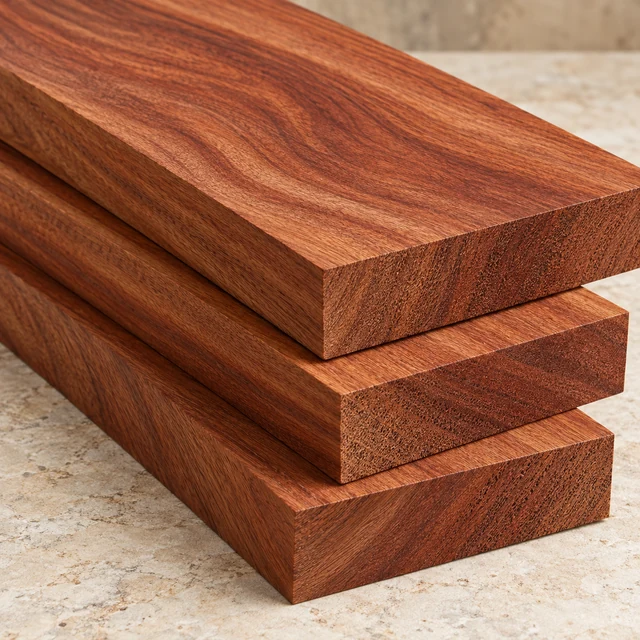
Ipe is a dense, oily tropical hardwood prized for exterior durability. That same density and natural oils mean handling, storage, and moisture-management choices matter: poor receiving or stacking leads to cupping, end‑checking, surface stains, or finish adhesion problems later. Treat the delivery and the first hours on site as the most important step in protecting your investment.
This guide focuses on practical steps a contractor, millworker, or materials manager should use when receiving an ipe shipment so boards arrive clean, flat, and ready for long‑term storage, on‑site staging, or immediate fabrication.
Pre-delivery checklist (before the truck arrives)
Confirm the delivery window and unloading method with your carrier—flatbed, liftgate, or forklift—and prepare a clear, level receiving area with room to lay down full bundles. Have personnel and equipment scheduled so bundles aren’t left roadside by mistake.
Review the order paperwork (packing list or bill of lading) in advance: quantities, board sizes or piece counts, and any special handling notes from your supplier. If your project needs specific grain or board lengths assigned to jobs, mark those needs on the purchase order so the driver and crew can separate pieces on arrival.
Reserve dry, covered storage or rooftop staging when possible. If you must store outdoors temporarily, plan cordoning (tarp protection, blocking off the area) and ensure you have enough stickers and blocking for proper stacking on arrival.
Inspecting an ipe delivery on arrival
Do a quick visual inspection before unloading: check straps and packaging for obvious water damage, note if bundles are saturated, and look for visible mold or dark staining. If boards arrive wet from transit, move them quickly to a covered, ventilated location and re‑stack on stickers to dry.
When unloading, handle bundles gently; avoid dropping boards or forcing fork tines through stacks in a way that distorts the pile. As you open bundles, inspect representative boards for face damage, deep end splits, wormholes, or surface oils that may transfer to adjacent pieces.
Confirm piece counts and sizes against the packing list. If the order included marked or numbered boards, verify the marks are present so you can track lot continuity through the job. If you use a moisture meter, spot‑check a sampling of boards to record a baseline and to confirm the lot is reasonably consistent with your expected jobsite conditions.
Documenting damage and handling claims
If you find damage, document it immediately. Photograph damaged boards (multiple angles: faces, ends, and any tags), include the delivery vehicle and driver in at least one photo, and capture the bill of lading showing shipment details. Use time‑stamped photos when possible and keep original packaging until claims are resolved.
Note damage on the carrier’s paperwork before signing anything that indicates full acceptance. Make a written note of the quantity and type of damage (broken boards, water‑stains, crushed ends, missing pieces) and ask the driver to sign. Follow your supplier’s claims procedure promptly; the quicker you report, the better the chance of a satisfactory resolution.
How to stack ipe: stickers, alignment, and support
Never stack boards directly on dirt, gravel, or an uneven surface. Use level blocking or pallets to keep the lowest sticker at least off the ground so air can circulate under the stack. Ensure supports are straight and continuous across the width of the bundle to avoid twisting.
Use straight, consistent stickers between every course and place them directly over each other vertically through the stack so loads are transferred straight down. Use stickers made of a stable material (dry wood or plastic) that won’t compress unevenly. Keep sticker spacing consistent from end to end so boards receive uniform support; always place a sticker within a short distance of each board end to reduce end‑checking.
If stacking wider or mixed‑length boards, separate long and short pieces into their own stacks or use full‑length topboards to transfer weight evenly. Avoid mixing heavily warped boards into the middle of a stack that you intend to keep flat.
Protection from weather and short‑term outdoor storage
Cover stacks with a breathable cover—tarps can work if tented to shed water and permit airflow underneath. Do not wrap stacks so tightly that moisture is trapped; trapped moisture encourages staining and mold. If boards are newly cut and very wet, allow them to dry on stickers in a ventilated cover rather than sealing them up.
Keep stacks elevated away from splash or runoff areas and away from sprinkler systems. If rain is expected, move the most valuable or visible boards into a covered area and use sacrificial boards on the top of outdoor stacks to protect faces from prolonged water exposure.
Acclimation and conditioning before fabrication or installation
Ipe will move as it adjusts to local temperature and humidity. Before milling or final fastening, allow the wood to equilibrate to the jobsite or shop environment. The best test is to spot‑check moisture content across a few boards with a meter and watch for consistent readings rather than relying on a fixed time period.
For decking or exterior uses, boards can be installed slightly damp, but for interior work or fine joinery, wait until the boards are at a stable moisture level for your environment. If ends show fresh checking after arrival, consider sealing ends immediately to slow further checking before joining or milling.
Before finishing, degrease or abrade test areas as needed because ipe’s natural oils can interfere with some coatings. Test your chosen finish on a scrap piece from the same lot to confirm adhesion and color before committing to large surfaces.
Practical receiving checklist to copy on site
1) Confirm delivery window, unloading plan, and clear receiving area; 2) Verify quantities and sizes against the packing list during unloading; 3) Inspect representative boards for surface damage, end‑checks, moisture, and mold; 4) Photograph and note any damage on carrier paperwork before signing; 5) Re‑stack on straight stickers with level blocking off the ground; 6) Cover stacks for weather but allow airflow; 7) Measure moisture content to confirm equilibration strategy and seal or condition ends if needed.
For full shipping and receiving procedures specific to your lot, refer to the Ipe Lumber product page shipping guidance and follow any supplier‑specific handling notes included with your order.
BEFORE YOU REQUESTYour sourcing checklist.
- Confirm quantities, board lengths, widths, and any grading or appearance requirements on the purchase order.
- Agree with supplier on expected moisture condition at shipment and who will manage acclimation on arrival.
- Arrange appropriate unloading equipment and a dry, level receiving area with blocking and stickers ready.
- Plan covered, ventilated storage on site and assign staff to re‑stack and check boards on arrival.
- Request supplier shipping guidance and follow any lot‑specific handling notes included with the shipment.
Common questions.
Do I need to seal the ends of ipe boards on arrival?+
Sealing ends helps reduce end‑checking on any freshly cut tropical hardwood. If boards show active end cracks or the milling operation will be delayed, apply an end sealer or wax to slow moisture loss from the ends. Use an appropriate end‑grain sealer and follow your shop’s standard practice; sealing is a precaution, not a guarantee against checks.
How long should ipe acclimate before machining or installation?+
Acclimate until boards stabilize to your shop or jobsite moisture conditions—measure with a moisture meter rather than relying solely on calendar days. For exterior decking it’s common to handle slightly damp boards, but for interior work wait for consistent meter readings across representative pieces.
Can I store ipe outside under a tarp?+
Short‑term outdoor storage under a tented, breathable cover is acceptable if you keep stacks elevated and allow air circulation beneath and around the pile. Avoid sealing stacks so tightly that moisture becomes trapped; wet, stagnant air promotes staining and biological growth.
What should I photograph and record if there is damage?+
Photograph the damaged faces and ends, the whole bundle, the delivery vehicle and driver, and the bill of lading. Note quantities and the exact boards affected, record the driver’s name and vehicle number, and write damage details on carrier paperwork before signing acceptance.