Why choose ipe for outdoor furniture (and what that choice demands)
Ipe is chosen for outdoor furniture because it combines exceptional density, natural durability against rot and insects, and a tight grain that wears well in high-traffic exterior use. Those advantages come with predictable shop and specification tradeoffs: the wood is very hard to machine, it holds fasteners and finishes differently than domestic softwoods, and its surface oils can reduce glue adhesion. Design and build decisions should be made with those material realities in mind so pieces last decades rather than just a few seasons.
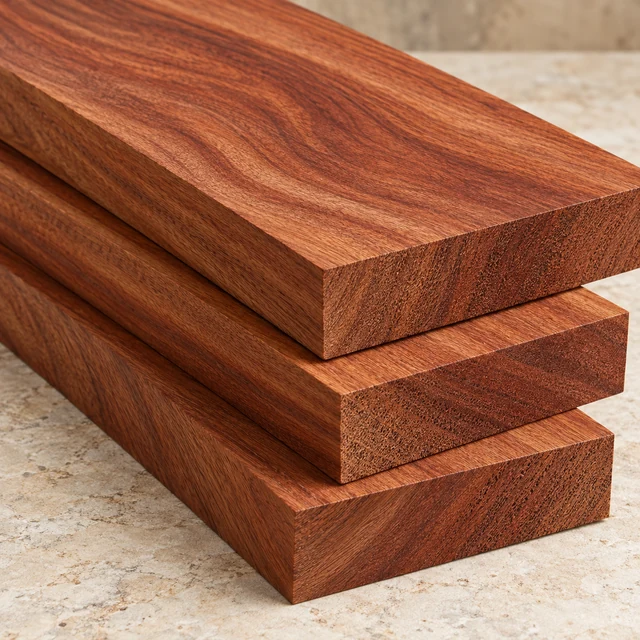
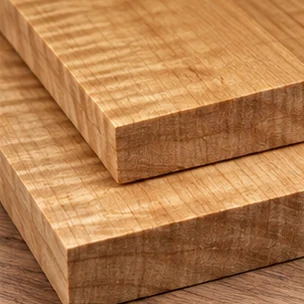
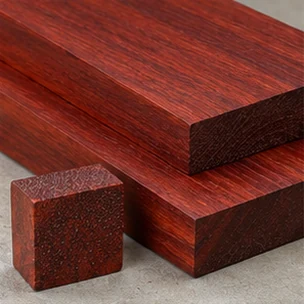
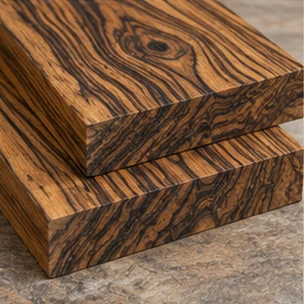
Before you order a production run, lock down the lot and appearance you want. Ipe varies in color and figure between lots—confirm the exact lot on the Ipe Lumber product page (ipe-lumber) and request a small sample or cut-off from the same shipment for shop testing.
Design and joinery strategies for long life
Favor mechanical joinery that takes advantage of ipe's strength. Traditional mortise-and-tenon and through-tenon joinery are excellent choices because ipe resists compression and shear when the joinery is well executed. Keep tenons short and proportioned to the member thickness to avoid localized splitting during assembly.
Avoid relying solely on glued edge joints or biscuits for load-bearing connections—ipe's surface oils and density can make adhesion inconsistent across lots. When glue is required (panel backers, minor lamination), plan to test the chosen adhesive on a piece from the same lot and prepare the wood (sanding or a light solvent wipe) to improve contact.
Provide drainage, ventilation, and movement joints in the design. Seat slats and table tops should be slotted or spaced to permit expansion and drying. Where two components meet, design for a little clearance rather than a tight, water-trapping fit.
Machining and fastener work: practical tips
Use sharp, carbide tooling and take light passes. Ipe blunts cutters quickly; carbide-tipped saw blades, planers, and router bits give the best combination of clean cuts and tool life. Reduce feed speed and increase RPM where your equipment allows to avoid tear-out.
Always pre-drill for screws. Because the wood is so dense, screws driven without a pilot hole are likely to snap, strip, or cause localized splitting. Drill straight pilots, countersink or counterbore where you need the screw head to sit flush, and thread-locking adhesives are rarely necessary if you choose proper fasteners and pre-drill.
Select fasteners that resist corrosion and metal staining. For coastal or high-humidity installations use highly corrosion-resistant metals; inland projects can often use marine-grade stainless. For visible fasteners consider silicon bronze or a stainless grade and head style that fits your aesthetic. Where possible, recess screws into hardwood plugs or use concealed fasteners for a clean look, but test the plug method on a sample first—the plug glue-up behaves differently in ipe than in softer hardwoods.
Finishes that protect without false promises
If you want low-maintenance longevity, know that unfinished ipe will weather to a stable silver-gray patina without structural harm. If you need to preserve the original dark brown color, plan for ongoing maintenance: penetrating oil finishes with UV inhibitors slow graying but must be reapplied periodically, especially on horizontal surfaces.
Film-forming coatings (varnishes, spar urethanes) can be used but expect more frequent maintenance on horizontal surfaces exposed to sun and water. All finishes should be tested on a cut from the same lot to check adhesion, color, and application characteristics—finish behavior can vary with lot oils and milling.
Avoid finishes that create a trapped-moisture condition at joints or aim for a complete weatherproof assembly in areas designed for drainage and airflow rather than hermetic sealing.
Hardware selection and corrosion control
Match hardware metallurgy to the environment and to ipe's tannins. For salty or coastal environments, specify the most corrosion-resistant stainless or non-ferrous metals recommended for marine exposure. For inland locations, good-quality stainless is typically sufficient but still the safer choice than plated fasteners.
Isolate dissimilar metals where practical. Use non-reactive washers or sealants between fasteners and the wood where direct contact could stain or cause accelerated corrosion. Through-bolts with washers and nuts are often a longer-lasting approach than driven screws in high-stress connections.
Design removable hardware locations (bolts, threaded inserts) to facilitate future repair or replacement without damaging surrounding members.
Test a lot sample: the single best decision you can make
Before committing to a full run of furniture, secure a representative sample from the exact lot you will receive. Use that sample to: 1) verify machining behavior and tool wear, 2) confirm fastener holding and the best pilot/drill sizes for your chosen screw or bolt, 3) check glue and plug adhesion, and 4) apply your selected finish to observe color and weathering.
A short test block assembled exactly as a finished piece will reveal most surprises and save far more time and money than changing course mid-production. Record the test results and incorporate the successful parameters into your shop drawings and cutting lists.
BEFORE YOU REQUESTYour sourcing checklist.
- Confirm the exact lot and visual appearance on the Ipe Lumber product page (ipe-lumber) and request a physical sample from that lot.
- Specify dimension, profile, and any pre-milling (planed, S4S, or rough-sawn) you need for production readiness.
- Ask the supplier about drying method and request a moisture-content reading for the shipped lot; accept that acceptable ranges depend on region and installation—confirm before ordering.
- Plan hardware and fastener metallurgy (coastal vs inland), and list required screw/bolt types and head styles in the purchase order.
- Set aside budget and time to test adhesives, plugs, and finishes on a small sample from the same lot before full-scale work.
Common questions.
Can you glue ipe reliably?+
Yes, but not without testing. Ipe's surface oils and density reduce adhesion compared with domestic hardwoods. Prepare the surface (sanding, solvent wipe), choose an adhesive rated for oily or dense hardwoods (epoxy or other high-performance exterior adhesives often work), and verify bond strength on a sample from the same lot before relying on a glued joint for structural loads.
Do I have to pre-drill every screw?+
Pre-drilling is strongly recommended. Ipe's density makes driving screws without a pilot hole risky: screws can snap, strip, or introduce splitting. Pre-drill straight pilots, countersink where needed, and use appropriate screw grades to avoid corrosion and galling.
How do I keep ipe from turning silver?+
Stopping weathering requires a finish that contains UV inhibitors and is reapplied periodically. Penetrating oils slow graying and are easiest to maintain; film-forming clear coatings can retain the original color but typically need careful maintenance and eventual recoating, especially on horizontal surfaces.
What stainless grade should I use for hardware?+
Choose highly corrosion-resistant metals for coastal installations. Inland, good-quality stainless is usually sufficient. Specify corrosion resistance appropriate for the project's exposure and test hardware in place on a sample assembly if appearance or staining is a concern.